
Category: Health and Medicine - Page 3
Home Hemodialysis: Schedules, Training, and Outcomes

Home hemodialysis offers greater flexibility and better outcomes than in-center treatment, but requires intensive training, a care partner, and home modifications. Learn about schedules, requirements, and real-world results.
Caffeine and Medication Safety: What You Need to Know About Dangerous Interactions

Caffeine can interfere with common medications like warfarin, levothyroxine, and antidepressants, reducing effectiveness or increasing side effects. Learn which drugs interact dangerously with coffee, energy drinks, and other caffeine sources-and how to stay safe.
FDA Black Box Warnings: What You Need to Know About the Most Serious Drug Alerts
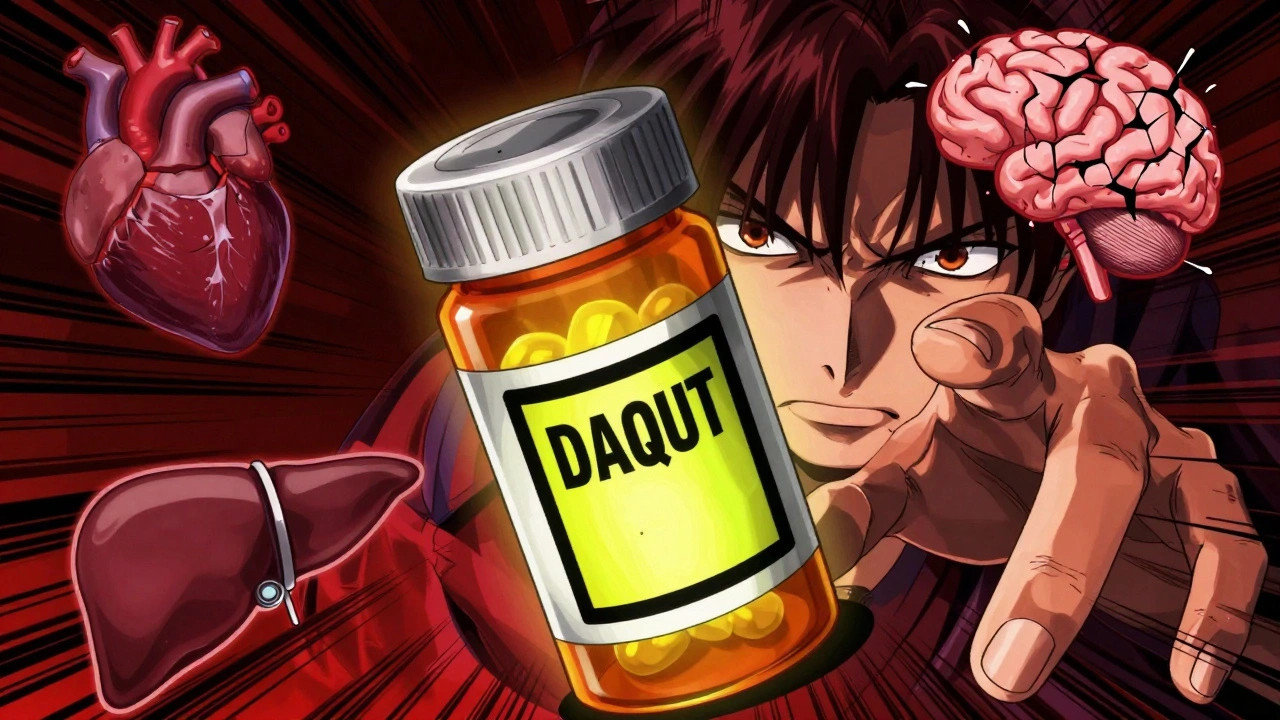
FDA black box warnings are the strongest safety alerts for prescription drugs, signaling risks of death or serious harm. Learn what they mean, how they're decided, and what to do if your medication has one.
Severe Hypertensive Crisis from Drug Interactions: What You Need to Know

Severe hypertensive crises can be triggered by common drug interactions, including antidepressants, decongestants, and even licorice candy. Learn the hidden risks, warning signs, and how to prevent a life-threatening emergency.
Baseline CK Testing for Statins: When It’s Really Needed

Baseline CK testing before starting statins isn't needed for everyone-but it’s critical for high-risk patients. Learn who should get tested, what the numbers mean, and why skipping it can lead to unnecessary drug stops.
Basal vs. Squamous Cell Carcinoma: What You Need to Know About Nonmelanoma Skin Cancer

Basal and squamous cell carcinomas are the most common types of skin cancer. Learn how they differ in appearance, risk, and treatment - and why early detection saves lives.
Convergence Insufficiency Therapy: Effective Treatments for Binocular Vision Disorders

Convergence insufficiency causes eye strain and reading difficulties but is often missed. Learn how office-based vision therapy with home exercises is the most effective treatment, backed by science and real results.
Anticoagulation in Kidney and Liver Disease: What Doctors Really Do

Managing blood thinners in kidney and liver disease is complex. Apixaban may be safest in advanced cases, while warfarin still has a role. DOACs aren't always better-dosing, monitoring, and individual risk matter more than guidelines.
Oral Food Challenges: Safety and Diagnostic Value in Allergy Diagnosis

Oral food challenges are the gold standard for diagnosing food allergies, offering definitive answers when blood and skin tests are unclear. Learn how they work, their safety profile, and why they prevent unnecessary food restrictions.
Replicate Study Designs: Advanced Methods for Bioequivalence Assessment

Replicate study designs are essential for accurately assessing bioequivalence of highly variable drugs. Learn how these advanced methods reduce sample sizes, improve approval rates, and meet global regulatory standards.