
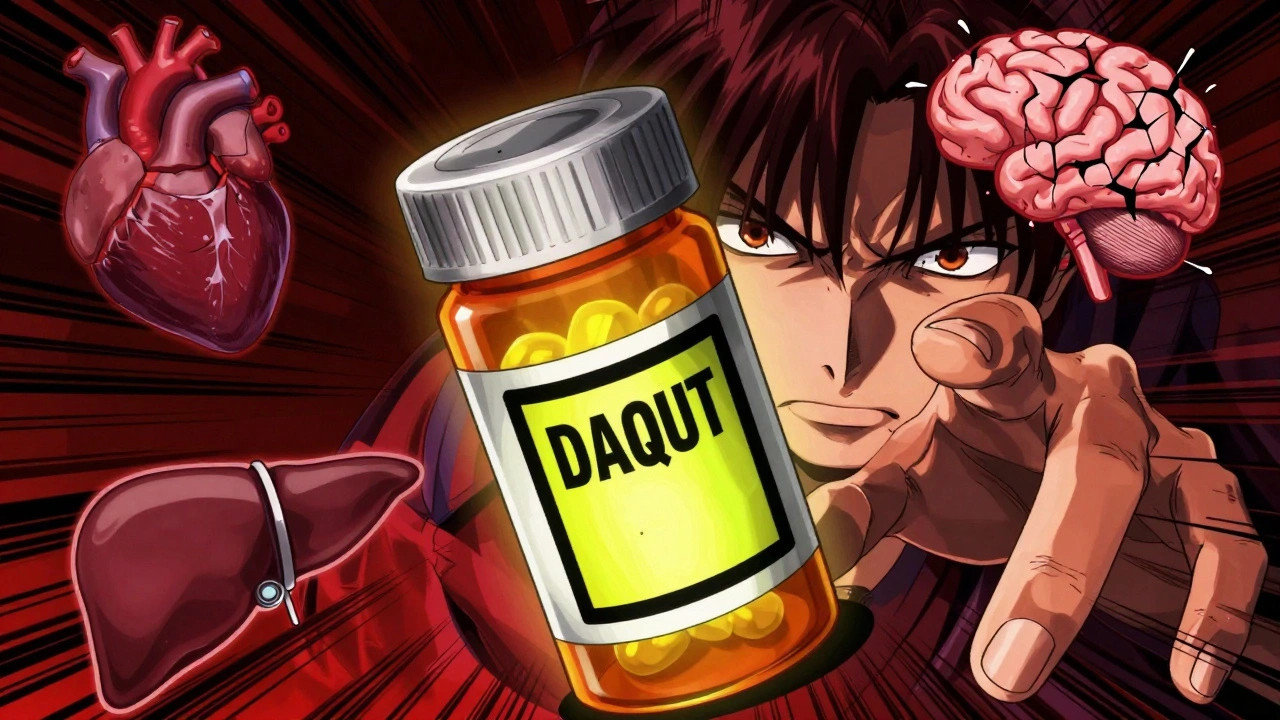
When you pick up a prescription, you might not notice the thick black border around a paragraph on the drug’s label. But that box is one of the most important safety signals in medicine. It’s called a FDA black box warning, and it’s the strongest warning the U.S. Food and Drug Administration can give a drug. This isn’t a gentle reminder. It’s a red flag saying: this medicine can kill you or cause life-changing harm.
What Exactly Is a Black Box Warning?
A black box warning is a special notice required by the FDA that appears in the prescribing information for certain medications. It’s printed inside a bold, black rectangle - hence the name - and placed right at the start of the drug’s official label. You’ll find it in the package insert your doctor gets, on the FDA’s website, and sometimes even on pharmacy websites. The warning doesn’t just mention a side effect. It highlights risks that have led to death, serious injury, or irreversible damage in real patients.These aren’t theoretical concerns. They’re based on real-world data collected from thousands of patients. The FDA doesn’t slap these warnings on lightly. A drug gets a black box warning only when the evidence shows the danger is severe enough that the benefits might not outweigh the risks for some people. As of 2025, more than 400 prescription drugs carry this warning - from antidepressants to painkillers to diabetes meds.
What Kind of Dangers Trigger a Black Box Warning?
The FDA doesn’t use these warnings for mild side effects like nausea or dizziness. They’re reserved for outcomes that are life-altering or deadly. Common reasons include:- Increased risk of suicide, especially in young adults taking certain antidepressants or antipsychotics
- Severe liver damage from drugs like acetaminophen in high doses or certain antibiotics
- Life-threatening heart rhythm problems triggered by some antibiotics or antifungals
- High risk of birth defects if taken during pregnancy, like isotretinoin for acne
- Severe immune system reactions that destroy blood cells or organs
- Increased chance of stroke or heart attack in older patients with dementia taking certain antipsychotics
Some warnings are specific to groups. For example, the diabetes drug rosiglitazone carries a black box warning for heart failure - especially in people with existing heart disease. Others, like the blood thinner warfarin, warn about bleeding risks that can be fatal if not monitored closely.
How Does the FDA Decide to Add a Black Box Warning?
You might think the FDA puts these warnings on drugs before they’re sold. But that’s not how it usually works. Most black box warnings come after the drug is already on the market. That’s because rare but deadly side effects often only show up after thousands or millions of people have taken the drug.The FDA uses its Adverse Event Reporting System (FAERS), which gets about 1.3 million reports each year from doctors, pharmacists, patients, and drug makers. When a pattern emerges - say, 50 reports of sudden liver failure linked to a specific drug - the agency investigates. They look at clinical trial data, hospital records, and autopsy reports. If the evidence is strong enough, they require the manufacturer to add the black box warning.
It’s not a quick process. It can take years. That’s why some drugs stay on the market for a while before the full danger becomes clear. The FDA doesn’t wait for hundreds of deaths. They act when the risk is clear, predictable, and serious enough to change how the drug should be used.

Black Box Warnings Aren’t a ‘No’ Sign - But They Are a ‘Stop and Think’ Sign
Many patients panic when they see a black box warning. They assume the drug is too dangerous to take. That’s not always true.Take fluoxetine (Prozac). It carries a black box warning for increased suicidal thoughts in teens and young adults under 25. But for many people with severe depression, it’s still the best option. The warning doesn’t mean you can’t take it. It means you need to be watched closely, especially in the first few weeks of treatment.
Same with the antibiotic linezolid. It can cause permanent nerve damage and blood cell loss. But for someone with a drug-resistant infection and no other options, the risk might be worth it - if their doctor checks blood counts regularly.
Doctors don’t avoid black box drugs entirely. They weigh the risks against the benefits. If there’s no safer alternative, and the patient understands the danger, the drug can still be used. That’s why the warning exists: to make sure the decision is informed, not accidental.
What Should You Do If Your Medication Has a Black Box Warning?
If you’re prescribed a drug with a black box warning, don’t stop taking it without talking to your doctor. Instead, ask these questions:- What specific danger does this warning cover?
- How likely is it to happen to me?
- Are there warning signs I should watch for?
- Do I need regular blood tests or other monitoring?
- Are there safer alternatives?
Some drugs with black box warnings come with extra rules. These are called Risk Evaluation and Mitigation Strategies (REMS). For example, the acne drug isotretinoin requires women to use two forms of birth control and get monthly pregnancy tests. The drug maker must track every prescription. These extra steps exist because the risk is so high.
Always tell your doctor about every other medication, supplement, or herb you take. Some black box warnings are triggered by drug interactions. For example, taking certain antidepressants with migraine meds can cause serotonin syndrome - a potentially fatal condition.
Why Do Some People Still Take Drugs With Black Box Warnings?
It’s easy to think, “If it’s that dangerous, why is it even sold?” The answer is simple: sometimes, there’s no better choice.Consider clozapine, used for severe schizophrenia. It carries a black box warning for agranulocytosis - a condition where the body stops making white blood cells, leaving you defenseless against infection. But for patients who haven’t responded to any other antipsychotic, clozapine is often the only thing that works. So doctors monitor blood counts weekly and use it anyway.
Same with methotrexate for rheumatoid arthritis. It can damage the liver and lungs. But for someone in constant pain and unable to move, the trade-off makes sense - as long as they get regular liver scans.
These drugs aren’t given out casually. They’re used only when the alternative is worse: uncontrolled pain, worsening mental illness, or death from infection.
How Do Black Box Warnings Affect Prescribing?
When a black box warning is added, prescriptions often drop - sometimes dramatically. After the FDA added a warning about heart risks to rosiglitazone (Avandia) in 2007, prescriptions fell by 70%. But not all drugs see the same drop. Pioglitazone, a similar drug, got the same warning but didn’t lose as many patients - partly because it got less media attention.That shows something important: warnings work best when patients and doctors talk about them. If a warning is buried in a pamphlet and no one discusses it, it loses its power. But when a doctor explains the risk clearly - and listens to the patient’s concerns - people make smarter choices.
What’s Changing With Black Box Warnings Today?
The FDA is working to make these warnings more precise. Instead of warning everyone, they’re starting to target specific groups. For example, newer warnings now include genetic information. If you have a certain gene variant, you might be at much higher risk of a bad reaction to a drug like carbamazepine. In the future, your doctor might check your DNA before prescribing - and the black box warning could change based on your genes.The FDA is also using electronic health records and insurance data to spot dangers faster. Their Sentinel Initiative tracks over 300 million Americans’ medical records. If a drug starts causing more heart attacks in people over 65, the system can flag it within months - not years.
Drug makers are also learning. More companies now test for serious side effects earlier in clinical trials, hoping to avoid black box warnings altogether. But the reality is: some risks only show up in the real world, not in controlled studies.
Bottom Line: Know the Warning, Don’t Fear It
A black box warning doesn’t mean a drug is bad. It means the risk is real - and you need to be aware of it. These warnings save lives by making sure no one takes a dangerous drug without understanding the stakes.If you’re on a medication with this warning, talk to your doctor. Ask what the risk is, what to watch for, and whether there’s a safer option. Don’t assume the warning means you must stop. But don’t ignore it, either. This is your health. You deserve to know the full picture.
And if you notice something unusual - a sudden rash, unexplained bruising, confusion, or chest pain - call your doctor right away. Report it to the FDA’s MedWatch program. Your report could help protect someone else.
Does a black box warning mean I can’t take the drug?
No. A black box warning doesn’t mean the drug is banned or unsafe for everyone. It means the risk is serious enough that you and your doctor must carefully weigh the benefits against the dangers. Many people safely take these medications with proper monitoring and informed consent.
Can a black box warning be removed?
Yes. If new evidence shows the risk is lower than originally thought - or if safer use practices have reduced harm - the FDA can remove or modify the warning. This usually takes years of data. For example, some older warnings about antidepressants in teens have been refined as more long-term studies became available.
Are over-the-counter drugs ever given black box warnings?
Rarely. Black box warnings are mostly for prescription drugs because they’re used under medical supervision. However, some powerful OTC drugs like high-dose acetaminophen carry strong warnings - though not in the official black box format - because liver damage from overdose is common and deadly.
How do I find out if my medication has a black box warning?
Check the FDA’s Drugs@FDA database, your pharmacy’s website, or ask your pharmacist directly. The warning is also printed in the patient information leaflet that comes with your prescription. If you’re unsure, call your doctor’s office - they can look it up in the official prescribing information.
Why do some drugs with black box warnings still sell well?
Because for many patients, there are no better options. Drugs for cancer, severe mental illness, or rare diseases often carry black box warnings - but they’re the only treatments that work. Doctors prescribe them because the alternative - untreated disease - is often worse than the risk.
Christian Landry
December 9, 2025 AT 08:32bro i was on sertraline for 3 years and never knew about the black box until my pharmacist handed me the leaflet like ‘hey u good?’ 😅 i almost threw it out thinking it was spam. then i read it and almost cried. turns out my doc knew, just never mentioned it. guess i’m lucky i didn’t have a meltdown.
Katie Harrison
December 11, 2025 AT 00:51I appreciate the thoroughness of this post-but I must emphasize: black box warnings are not a suggestion. They are a legal and ethical imperative. If your provider doesn’t explain them in plain language, find a new one. This isn’t about fear-it’s about informed consent. And if you’re not being treated like a partner in your care, you’re being failed.
George Taylor
December 12, 2025 AT 15:34So... the FDA waits until people die before they warn us? Brilliant. Just brilliant. We’re basically human guinea pigs for Big Pharma’s profit margins. And now we’re supposed to be grateful they didn’t wait for *thousands* to die? Yeah, sure. I’ll take my pills with a side of irony.
Chris Marel
December 13, 2025 AT 09:23This is so important. In Nigeria, we don’t have access to most of these drugs-but when we do, people just take them because they’re ‘the only option.’ I’ve seen friends die from liver failure after taking cheap acetaminophen because no one told them about the risk. This post should be translated and shared everywhere.
William Umstattd
December 14, 2025 AT 22:12Let’s be honest: if you’re taking a drug with a black box warning, you’re either desperate or stupid. No one should be on clozapine unless they’ve tried every other option-and even then, it’s a gamble. The system is broken. Doctors are overworked. Patients are uninformed. And the FDA? They’re playing catch-up while people die.
Elliot Barrett
December 16, 2025 AT 01:37Yeah, but how many of these warnings are just lawsuits waiting to happen? I bet half the drugs on this list got the warning because some lawyer found a guy who died after taking it with grapefruit juice. Real science? Nah. Risk management? More like liability management.
Maria Elisha
December 16, 2025 AT 12:05my doc gave me warfarin and didn’t even mention the black box. i found out by accident. now i’m scared to take anything. also, why do they even make these drugs if they’re this dangerous??
Tim Tinh
December 17, 2025 AT 23:56Just wanted to say thanks for writing this. My mom’s on methotrexate for RA, and I was terrified after reading the warning. But then we sat down, asked the right questions, and now she gets monthly labs. She’s walking again. It’s not about avoiding the drug-it’s about knowing how to use it safely. You’re not alone. Talk to your team.
Olivia Portier
December 19, 2025 AT 20:25OMG YES. I’m a nurse and I’ve seen patients panic over black boxes-and then refuse life-saving meds. Or worse, keep taking them without monitoring. Please, if you’re reading this: ask your pharmacist. Write down your questions. Bring someone with you to the appointment. You’re not being ‘difficult’-you’re being smart 💪❤️
Tiffany Sowby
December 20, 2025 AT 13:08Of course the FDA waits until people die. They’re too busy kissing pharma’s ass to do their job. And don’t even get me started on how these drugs are marketed to kids. This is why America’s healthcare system is a joke. We’re just a bunch of lab rats with insurance cards.
Asset Finance Komrade
December 22, 2025 AT 06:13One must contemplate the epistemological paradox inherent in pharmacovigilance: if a drug’s danger is only revealed post-marketing, does its safety ever truly exist? Or is it merely a statistical illusion, a temporary equilibrium before the inevitable collapse into chaos? 🤔💊
And yet-we persist. Not because we trust the system, but because we have no alternative. Thus, the human condition is reduced to a series of calculated risks, each pill a Sisyphean act of faith.
Jennifer Blandford
December 22, 2025 AT 17:13My uncle was on clozapine for 15 years. Weekly blood draws, no complaints. He went from not speaking to playing piano again. Black box? Yes. Dealbreaker? No. Sometimes the scariest things are the ones that give you your life back. 💙