
Generic Substitution: What It Is, How It Works, and When It’s Safe
When your pharmacist hands you a pill bottle with a different name than what your doctor wrote, that’s generic substitution, the practice of replacing a brand-name drug with a chemically identical generic version. Also known as drug interchange, it’s how most prescriptions in the U.S. get filled—at a fraction of the cost. You might think it’s just a label change, but behind that switch is a strict system built by the FDA, the U.S. agency that ensures generic drugs meet the same safety and effectiveness standards as brand names. The process relies on something called bioequivalence, proof that the generic drug releases the same amount of active ingredient into your body at the same rate as the brand. Without this, it wouldn’t be legal to swap them.
Not every drug can be swapped easily. Some, like blood thinners or seizure meds, need extra care because tiny differences in how they’re absorbed can matter. That’s why pharmacists check your prescription and sometimes consult your doctor before switching. The ANDA, or Abbreviated New Drug Application, is the FDA’s pathway that lets generic makers prove their product matches the brand without redoing expensive clinical trials. It’s not a shortcut—it’s a science-backed shortcut. And it works: 9 out of 10 prescriptions in the U.S. are for generics. But knowing how it works helps you spot red flags. If a generic looks different than the last one you got, or if you feel weird after the switch, it’s not just in your head. Some people react to inactive ingredients, or the pill’s coating, or even the manufacturing batch. That’s why asking your pharmacist about the maker matters.
Generic substitution isn’t just about saving money—it’s about access. Without it, millions would skip doses or skip treatment entirely. But it’s not magic. It’s regulation, science, and communication. The posts below cover everything from how the FDA checks generics for safety, to how to spot fake online pills, to why Canada’s system keeps prices low while the U.S. doesn’t. You’ll find real stories about people who switched and felt different, and experts who explain when you should push back. Whether you’re on a statin, a blood thinner, or a simple pain reliever, knowing how generic substitution works helps you take control—not just of your meds, but of your health.
Keeping a Medication Journal: Tracking Your Response to Generic Medications
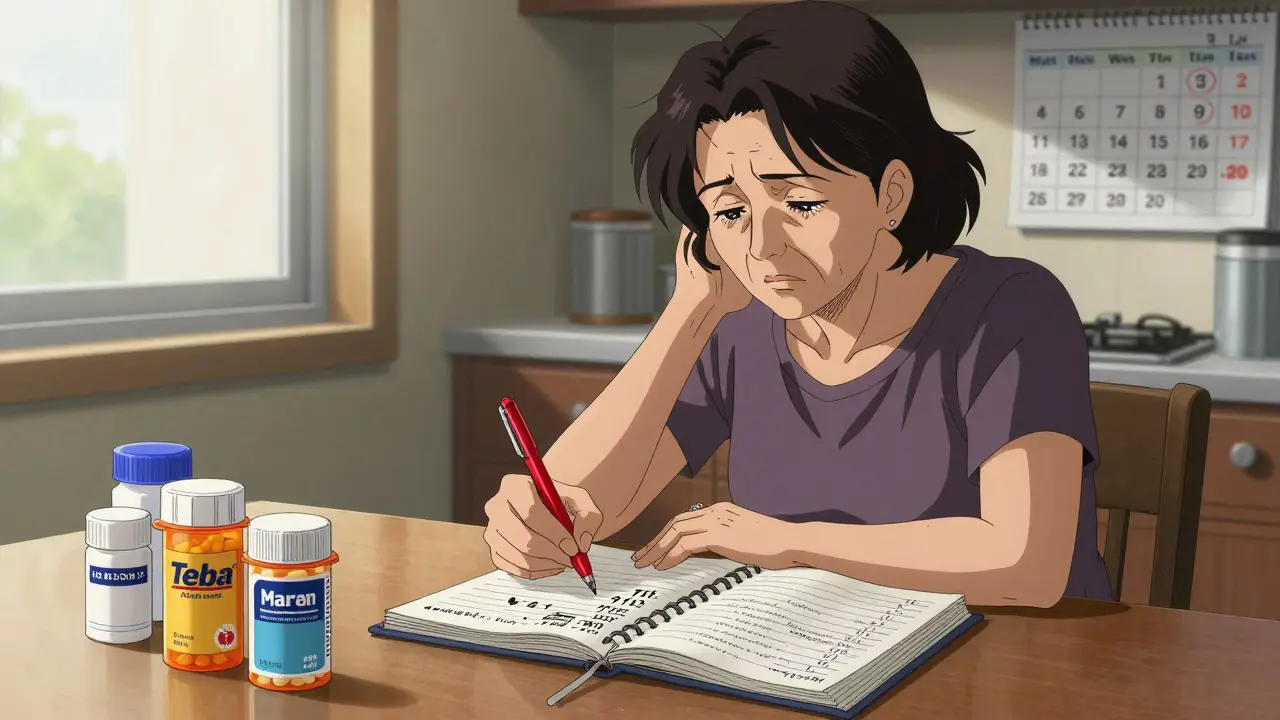
Track your body's response when switching to generic medications with a simple medication journal. Learn what to record, which drugs need it most, and how to use your notes to talk to your doctor.
Diabetes Combination Medications: Generic Options and When Substitution Works

Learn which diabetes combination medications have generic versions, when substitution is safe, and how to save money without risking your blood sugar control. Real cost data, expert insights, and practical steps for 2025.