

Switching from a brand-name drug to a generic can save you hundreds of dollars a year. But what if you start feeling different after the switch? Maybe your pain isn’t as controlled. Or your mood feels off. Or you’re getting headaches when you didn’t before. These aren’t just in your head. For some people, switching generics - even when they’re labeled "bioequivalent" - makes a real difference.
Why Your Body Might React Differently to Generics
The FDA says generics must work the same as brand-name drugs. And for most people, they do. But here’s the catch: "bioequivalent" doesn’t mean "identical." Generics can have different fillers, dyes, or coatings. These don’t change how the active ingredient works - but they can change how fast your body absorbs it. That’s fine for most medications. But for drugs with a narrow therapeutic index - like warfarin, levothyroxine, or seizure meds - even tiny changes in absorption can cause problems.
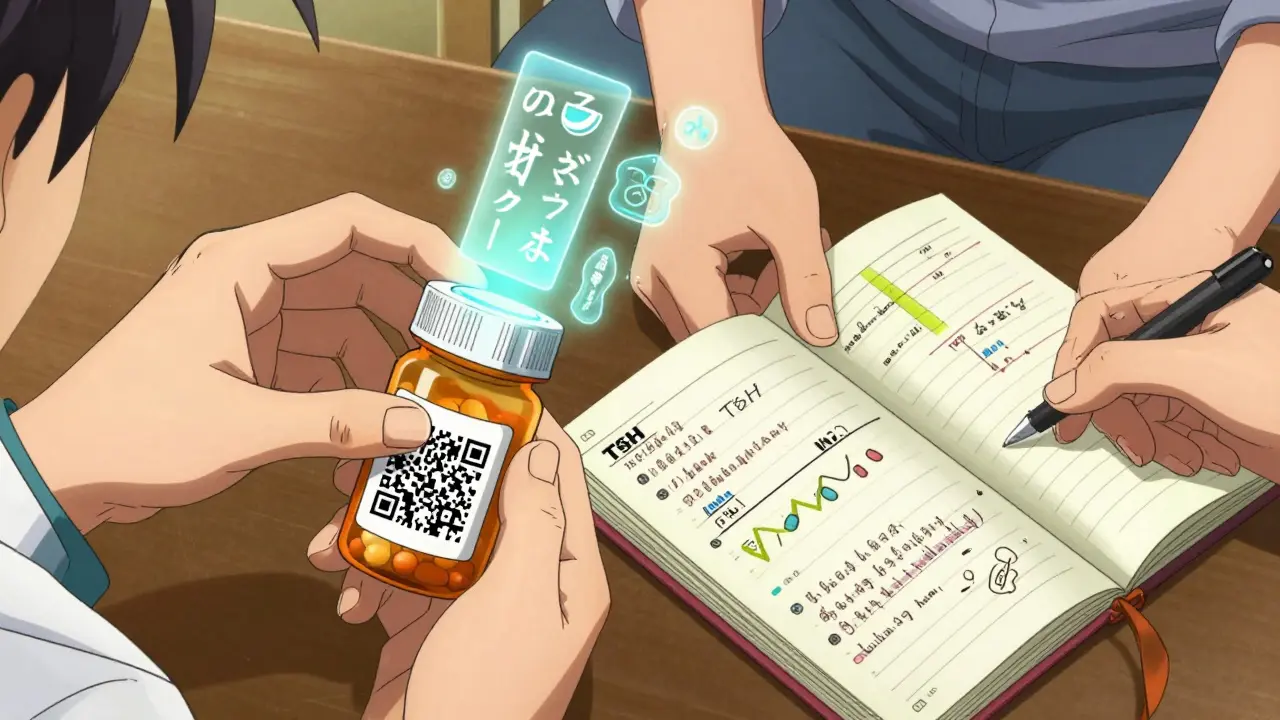
Take levothyroxine. One patient in Adelaide switched from Synthroid to a generic made by Teva, then to another made by Mylan, then to a third from Dr. Reddy’s. Within months, her TSH levels jumped from 1.2 to 8.7. She felt exhausted, gained weight, and her anxiety spiked. Her doctor assumed she wasn’t taking it consistently. But when she pulled out her medication journal - which tracked every switch, lot number, and symptom - the pattern was clear. Each time she got a new generic, her thyroid numbers drifted. She went back to Synthroid. Her levels normalized in three weeks.
This isn’t rare. A 2020 study found 7.3% of people on generic antiepileptics had breakthrough seizures after switching manufacturers. Only 1.2% did on the same brand. The FDA’s own data shows 43% of foreign manufacturing plants hadn’t been inspected in five years. That doesn’t mean every generic is unsafe. But it does mean you can’t assume all generics are the same.
What to Track in Your Medication Journal
A good medication journal isn’t just a list of pills you took. It’s a diagnostic tool. Here’s what to write down every time you get a new prescription:
- Medication name - both brand and generic (e.g., "levothyroxine (Synthroid)")
- Manufacturer - look on the bottle. Teva, Mylan, Dr. Reddy’s, Actavis - these matter
- Lot number - printed on the bottle. If something goes wrong, this helps trace the batch
- Date switched - when did you start the new version?
- Physical appearance - color, shape, scoring, imprint code. If your pill looks different, write it down. 33% of patients report confusion because generics look alike
- Symptoms - use a 1-10 scale. Rate your pain, fatigue, anxiety, mood, or dizziness daily
- Side effects - nausea, dizziness, rash, insomnia. Note when they started
- Objective measurements - if you monitor blood pressure, blood sugar, or INR (for warfarin), log those too
- Adherence - did you miss a dose? Why? Forgot? Ran out? Side effect?
Don’t overcomplicate it. You don’t need to write essays. Just a few lines a day. But be consistent. The goal is to spot patterns - not just random bad days.
Paper vs. Digital: Which Works Better?
Some people swear by a notebook. Others use apps. Both work - if you stick with them.
For older adults, paper still wins. A 2022 AARP survey found 62% of people over 65 prefer a physical journal. You can keep it on your kitchen counter. Tear off a page for your doctor. No login, no battery, no updates. The CDC sells perforated, carbon-copy tracking sheets for under $5. Easy to use. Easy to share.
For tech-savvy users, apps like Medisafe (rated 4.7/5 on the App Store) or MyTherapy (used by 8 million people globally) let you set reminders, log symptoms with taps, and even generate reports to email to your doctor. Medisafe’s setup takes 10-15 minutes. Daily entries? 30 seconds. And if you use Apple Health, iOS 17 now has built-in templates designed for tracking generic switches.
But here’s the problem: 67% of people use multiple methods - paper one day, app the next. That fragments your data. Pick one. Stick with it.
When Journaling Makes the Biggest Difference
Not every medication needs this level of tracking. But for these, it’s critical:
- Thyroid meds - levothyroxine. Small absorption changes = big TSH swings
- Anticoagulants - warfarin. INR can shift with different fillers
- Seizure drugs - phenytoin, carbamazepine. Even 10% change can trigger seizures
- Immunosuppressants - tacrolimus, cyclosporine. Used after transplants. Failure can be deadly
- Psychiatric meds - some patients report mood shifts with generic SSRIs, though studies are mixed
For these, your journal isn’t just helpful - it’s a safety net. The Cleveland Clinic documented heart transplant patients who had emergency visits after switching to a generic tacrolimus. Their serum levels were unpredictable. Their journal caught it before they crashed.
For things like statins or generic ibuprofen? Probably not worth the effort. But for NTI drugs? Absolutely.
How to Use Your Journal at the Doctor’s Office
Bring it. Every time. Don’t wait until something goes wrong.
When you show your doctor a 6-week log of your symptoms matching your generic switches, they can’t just say, "It’s all in your head." They have to take it seriously. A 2022 University of Michigan study found patients who brought journals had 32% fewer unnecessary medication changes and 27% higher adherence.
Ask your pharmacist to review it too. Kaiser Permanente ran a program where pharmacists reviewed patient journals. Result? 44% fewer generic-related medication switches. Why? Because pharmacists spot patterns doctors miss - like a new manufacturer’s pill being harder to swallow, causing missed doses.
And if your doctor dismisses your concerns? Say this: "I’ve been tracking my symptoms since I switched. The pattern matches the manufacturer change. Can we check my blood levels or try the brand again?"
What Doesn’t Work - And Why People Quit
Journaling fails when it’s too vague. Writing "felt weird after pill change" doesn’t help. Writing "day 3 after switching to Mylan levothyroxine: fatigue 8/10, heart palpitations, TSH 7.1" does.
People quit because:
- They don’t know what to track (use a template)
- It feels like a chore (set a phone reminder with your pill time)
- They think minor ups and downs are failures (they’re not - track trends, not daily noise)
- They don’t see results right away (journaling works over weeks, not days)
And yes - for antidepressants or blood pressure meds that take weeks to stabilize, journaling is harder. But for painkillers, thyroid meds, or seizure drugs? Effects show up fast. That’s when your journal shines.

The Bigger Picture: Why This Matters
Generics save the U.S. healthcare system $8-10 billion a year. That’s huge. But if patients get sick because of untracked changes, the cost jumps - ER visits, hospital stays, lost work days.
The FDA now accepts patient-reported data as part of drug safety monitoring. Between 2020 and 2023, 142 cases of adverse events were flagged because of medication journals. That led to label changes and manufacturing alerts.
And it’s getting easier. The Generic Pharmaceutical Association now puts QR codes on packaging that link to bioequivalence data. Epic Systems is building "MyJournal" into electronic health records so your notes can flow directly to your doctor’s system.
This isn’t about distrust in generics. It’s about knowing your body. And giving your healthcare team the tools to help you - not guess.
Getting Started: Your First 15 Minutes
Here’s how to start today:
- Grab a notebook, spreadsheet, or app
- Write down your current meds: name, dose, manufacturer, lot number
- Set a daily reminder for 10 minutes after you take your pill
- Answer these three questions:
- How do I feel? (1-10)
- Any new side effects?
- Did I take it on time?
- Next time you get a refill, check the manufacturer. If it’s new, write it down.
You don’t need to be perfect. You just need to be consistent. One month of tracking might save you from a bad reaction - or help you find the right generic before it’s too late.
Do all generic drugs work the same as brand-name drugs?
For most people, yes. The FDA requires generics to have the same active ingredient and be absorbed at the same rate as the brand. But "same rate" means within a range of 80-125% - which is fine for most drugs. For narrow therapeutic index drugs like warfarin, levothyroxine, or seizure meds, even small differences can matter. That’s why tracking your response is important.
What’s a narrow therapeutic index (NTI) drug?
An NTI drug has a very small window between an effective dose and a toxic one. Small changes in how your body absorbs the drug can lead to treatment failure or serious side effects. Examples include warfarin (blood thinner), levothyroxine (thyroid), phenytoin (seizure), and tacrolimus (transplant). These are the drugs where a medication journal is most valuable.
Can I just ask my doctor to keep me on the brand-name drug?
You can. But insurers often require you to try generics first. If you have a documented reaction to a specific generic - backed by your journal - your doctor can file a prior authorization to get the brand. Many patients successfully switch back after showing clear patterns of adverse effects tied to a manufacturer change.
Is it worth tracking generics if I’m on multiple medications?
Focus on your NTI drugs first - thyroid, blood thinners, seizure meds. For others, like statins or blood pressure pills, the benefit is smaller. But if you notice a change after any switch, start tracking it. You might find a pattern you didn’t expect.
How long should I track before deciding a generic doesn’t work for me?
For most drugs, give it 2-4 weeks after a switch. Some, like antidepressants, take longer. But for pain, thyroid, or seizure meds, changes often show up within days. If your symptoms line up with a new manufacturer, don’t wait. Bring your journal to your doctor.
Are there free templates I can use?
Yes. The CDC offers a free printable medication tracking guide. The Epilepsy Foundation has a seizure and medication tracker. The Cleveland Clinic’s NTI form is available online and used by thousands. You can also download a simple spreadsheet template from MyGenericStory.org - a patient-run site with real user experiences.
What if my doctor doesn’t take my journal seriously?
Ask for a blood test - TSH, INR, or drug level - to check if your levels have changed. If your journal shows a clear pattern and your lab results confirm it, that’s hard to ignore. If your doctor still dismisses it, consider asking for a referral to a specialist or pharmacist who understands patient-reported outcomes.
Next Steps: What to Do Today
If you’re on a narrow therapeutic index drug and switched generics in the last 6 months, pull out your pill bottles. Write down the manufacturer and lot number. Start a simple log - even just on your phone notes. Track how you feel for the next two weeks. You might find something your doctor never asked about - but needs to know.
For everyone else - even if you’re on statins or antibiotics - keeping a basic journal builds a habit of awareness. And that’s the best defense against unexpected side effects - no matter the drug.
Gray Dedoiko
December 22, 2025 AT 15:11I switched my levothyroxine last year and didn’t think twice until I started crashing by midday. Felt like a zombie. My doctor said it was stress. Then I checked the bottle - switched from Teva to Mylan. Went back to Teva, and within 10 days I had energy again. This post? Lifesaver.
Aurora Daisy
December 24, 2025 AT 04:32Oh wow, another American whining because generics aren’t *magic*. In the UK we get generics that work fine, and we don’t keep a diary like it’s a PhD thesis. Maybe if you stopped obsessing over pill colors you’d feel better. Also, your doctor isn’t your therapist.
Rosemary O'Shea
December 25, 2025 AT 11:10How utterly *quaint* - a modern patient, armed with a journal, wielding data like a scalpel against the sterile indifference of Big Pharma and its complicit physicians. I weep for those who still believe in the myth of bioequivalence as some sacred covenant. The truth? The FDA’s 80-125% window is a legal loophole dressed in white lab coats. And yet, here we are - ordinary souls, scribbling in notebooks, while the system counts our suffering as ‘acceptable variance.’
My cousin on cyclosporine? Lost her transplant because the pharmacist swapped her brand without warning. No journal. No voice. Just a body failing silently. She’s gone now. This isn’t about convenience. It’s about dignity.
And yes - I use a leather-bound Moleskine. With fountain pen ink. Because if you’re going to document your survival, do it like it matters. (And no, I don’t use apps. Too… digital.)
PS: The CDC template? I printed it on 100% cotton rag paper. Because everything should be *felt*, not just logged.
Lu Jelonek
December 26, 2025 AT 17:21As a pharmacist in rural Oregon, I see this every week. Patients come in confused because their pill changed color. They think they got the wrong meds. I show them the lot number, explain the filler differences, and sometimes - if they’ve kept a log - I can tell them exactly which batch caused their dizziness.
One woman tracked her INR for six weeks after switching warfarin generics. Her numbers jumped 1.8 points. We called the manufacturer. Turned out their new coating was slowing absorption. They fixed it. That’s how change happens - not in boardrooms, but in journals.
Don’t overthink it. Just write the date, the name, how you feel. You don’t need to be perfect. Just consistent.
Ademola Madehin
December 27, 2025 AT 10:41OMG I switched to a generic for my seizure med and I had a full-on blackout at work last month. My boss thought I was drunk. I cried in the parking lot. Then I found this post. I started writing EVERYTHING down - pill color, how my head felt, even if I dreamed about snakes. Turns out every time I got the blue pill from Dr. Reddy’s, I’d get dizzy by 3pm. Switched back to brand - no more snakes, no more blackouts. I’m not crazy. The system is. I’m sharing this with my whole family now. Someone has to speak up.
Jeffrey Frye
December 29, 2025 AT 09:40ok so i read this whole thing and like… the real issue isnt the generics its that the fda lets foreign plants go 5 years without inspection?? that’s wild. also why do we even have 7 different manufacturers for the same drug? it’s chaos. also why do people think the color of the pill matters? i mean… it does but like… it’s not the pill it’s the damn coating. and nobody talks about the coating. the coating is the villain. also i misspelled “coating” just now on purpose because i’m tired and this is reddit.
Andrea Di Candia
December 30, 2025 AT 13:06This is one of those posts that makes you realize how much we’ve outsourced our own health to systems that don’t see us as people. We’re not data points - we’re bodies that react, feel, remember. And when a system says ‘it’s all in your head,’ it’s not just dismissive - it’s dangerous.
But here’s the quiet hope: you don’t need permission to track your own experience. You don’t need a PhD, a fancy app, or a doctor’s approval. Just a notebook, a pen, and the courage to say: ‘I know my body better than this bottle does.’
And if you’re reading this and you’ve ever been told you’re ‘overreacting’ - you weren’t. You were paying attention. That’s not weakness. That’s wisdom.
Keep going. Even if it’s just one line a day. You’re not just tracking meds. You’re reclaiming your voice.
Abby Polhill
December 31, 2025 AT 15:41NTI drugs are the low-hanging fruit for pharmacovigilance - the real win is in the real-world data aggregation. Patient-reported outcomes (PROs) are now being fed into FAERS via interoperable EHR integrations, and the granularity from structured journaling is enabling dynamic pharmacokinetic modeling at the individual level. This isn’t anecdotal - it’s precision medicine in the wild. The FDA’s new AI-driven signal detection pipelines are already flagging batch-level outliers from aggregated journal datasets. Bottom line: your scribbles are now public health infrastructure.