
Generic Drug Shortages: Why They Happen and How to Stay Safe
When your pharmacy says generic drug shortages, a situation where affordable versions of brand-name medications aren’t available due to manufacturing, supply, or regulatory issues. Also known as medication shortages, it’s not just an inconvenience—it’s a health risk. You’re not imagining it. More people are being told their usual $4 pill isn’t in stock, and the alternatives? They’re either more expensive, harder to get, or just not the same. This isn’t rare. Over 300 generic drugs faced shortages in 2023 alone, according to FDA reports. These aren’t niche meds either—they’re the ones millions rely on daily: antibiotics, blood pressure pills, diabetes drugs, even generic Tylenol.
Why does this keep happening? It’s not one thing. The drug supply chain, the global network of manufacturers, distributors, and regulators that gets medicine from factory to pharmacy is fragile. Most generic drugs are made overseas, often in just one or two factories. If one plant has a quality issue, the FDA shuts it down—and suddenly, the whole country runs out. Companies also stop making cheap generics because the profit is too low. Why spend millions to meet FDA standards for a pill that sells for pennies? Meanwhile, FDA approval, the strict process that ensures generics are bioequivalent to brand-name drugs before they hit shelves can take years. When a new maker finally gets approved, they might not have the capacity to scale up fast enough to meet demand.
What does this mean for you? If you’re on a generic medication, your dose might change without warning. Maybe your blood pressure pill switches from one manufacturer to another, and suddenly you feel dizzy. That’s not your imagination—small differences in inactive ingredients can affect how your body absorbs the drug. Or maybe your doctor prescribes a brand-name version, and your insurance won’t cover it. You’re stuck choosing between your health and your wallet.
But you’re not powerless. You can ask your pharmacist if there’s an alternative generic from another maker. You can check the FDA’s shortage list online. You can talk to your doctor about switching to a different drug in the same class. And if you’re paying out of pocket, you might find better prices by comparing pharmacies—even if the drug is in stock, prices vary wildly. This collection of posts dives into exactly how to handle these situations: how to spot counterfeit generics, how to get clear dosing instructions when your prescription changes, how to use pharmacy consultations to avoid dangerous swaps, and how to understand the real difference between brand and generic drugs. You’ll find real stories, practical tools, and steps you can take today to keep your treatment on track—even when the system lets you down.
Why Generic Drugs Are Vanishing: The Hidden Crisis Behind Drug Shortages
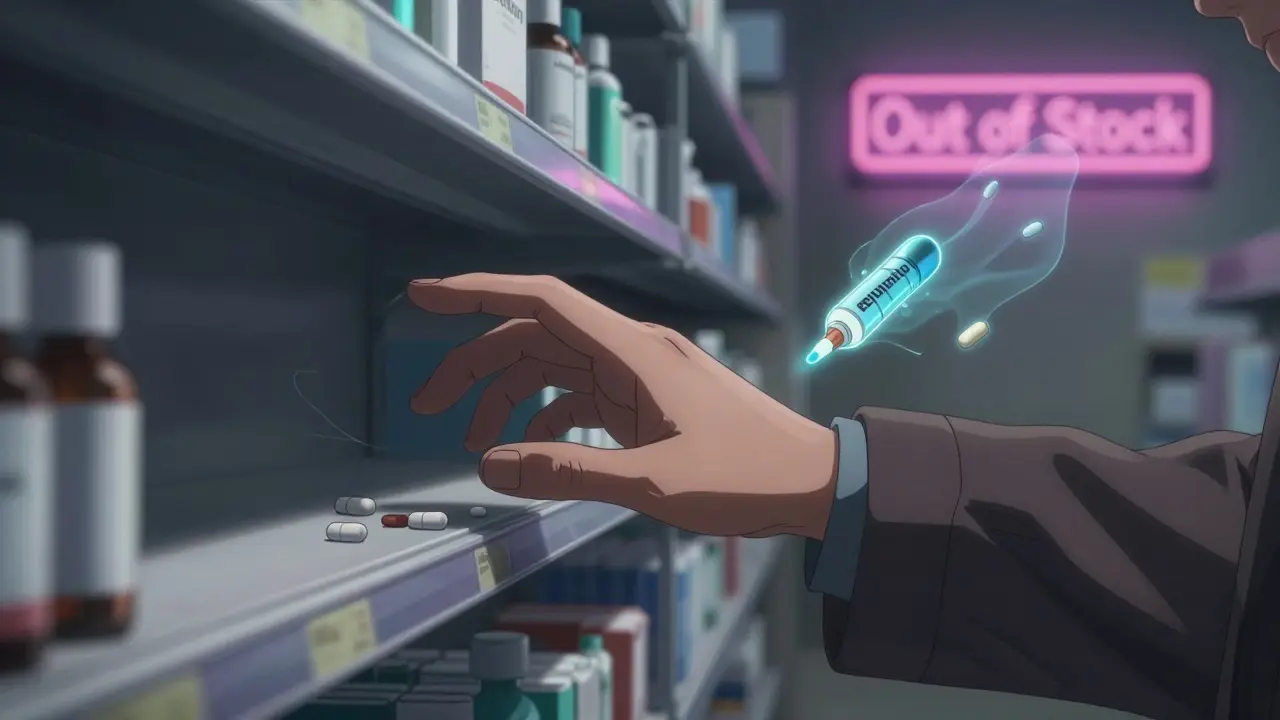
Generic drugs make up 90% of prescriptions but only 20% of spending. Yet they’re vanishing due to broken economics, overseas production, and weak quality control. Here’s why shortages are getting worse.
Canada's Generic Drug System vs. the USA: How Pricing, Supply, and Policy Differ
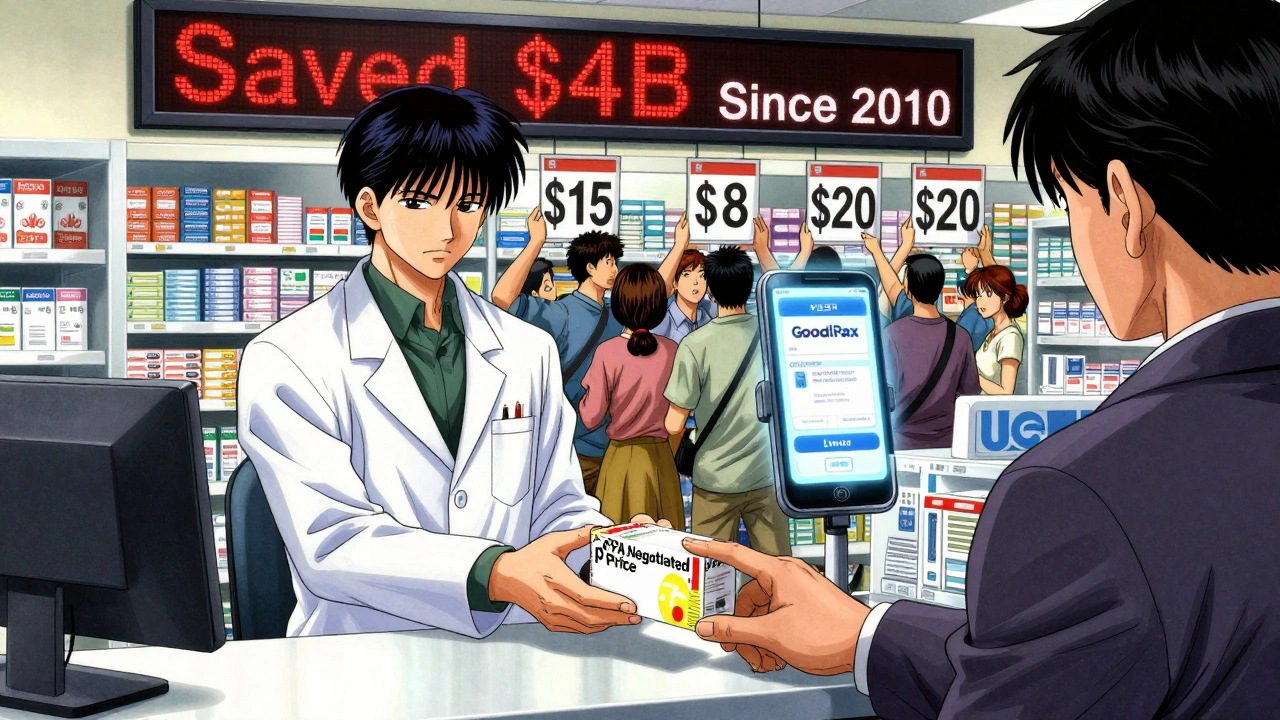
Canada and the U.S. handle generic drugs in opposite ways: Canada controls prices to ensure supply, while the U.S. relies on competition for lower costs. Here’s how they differ - and what it means for patients.