
Statin Safety: What You Need to Know About Side Effects and Long-Term Use
When you take a statin, a class of drugs used to lower LDL cholesterol and reduce heart attack risk. Also known as HMG-CoA reductase inhibitors, they’re among the most prescribed medications in the world—used by over 40 million Americans alone. But statin safety isn’t just about whether they work. It’s about whether they’re right for you, how your body reacts, and what to do when things go wrong.
Many people start statins after a cholesterol test or a heart scare, but not everyone understands the trade-offs. The biggest concern? muscle pain, a common side effect that can range from mild soreness to disabling weakness. Studies show up to 10% of users report this, and many stop taking the drug because of it—even when the pain isn’t truly caused by the statin. Then there’s the risk of new-onset diabetes, a small but real increase in blood sugar levels, especially in those already at risk. And while liver damage from statins is rare, it’s still something your doctor should check with routine blood tests.
Statin safety also depends on what else you’re taking. drug interactions, especially with certain antibiotics, antifungals, or grapefruit juice, can spike statin levels in your blood and raise the chance of side effects. That’s why your pharmacist should always review your full list of meds—not just the statin. And if you’re older, have kidney disease, or take multiple pills, your risk goes up. That’s not a reason to avoid statins—it’s a reason to be smarter about how you use them.
Not everyone needs a statin. If your risk of heart disease is low, lifestyle changes—diet, movement, sleep—might be enough. But if you’ve had a heart attack, stroke, or have diabetes, the benefits often far outweigh the risks. The key is knowing your numbers, understanding your symptoms, and having honest talks with your doctor. No one should feel guilty for stopping a statin if it’s making them feel worse. And no one should keep taking one if they’re not sure why.
Below, you’ll find real stories and facts from people who’ve lived with statins—what worked, what didn’t, and how to spot the warning signs before they become problems. From muscle pain that’s just in your head to dangerous interactions you didn’t know about, this collection cuts through the noise and gives you what actually matters.
Baseline CK Testing for Statins: When It’s Really Needed
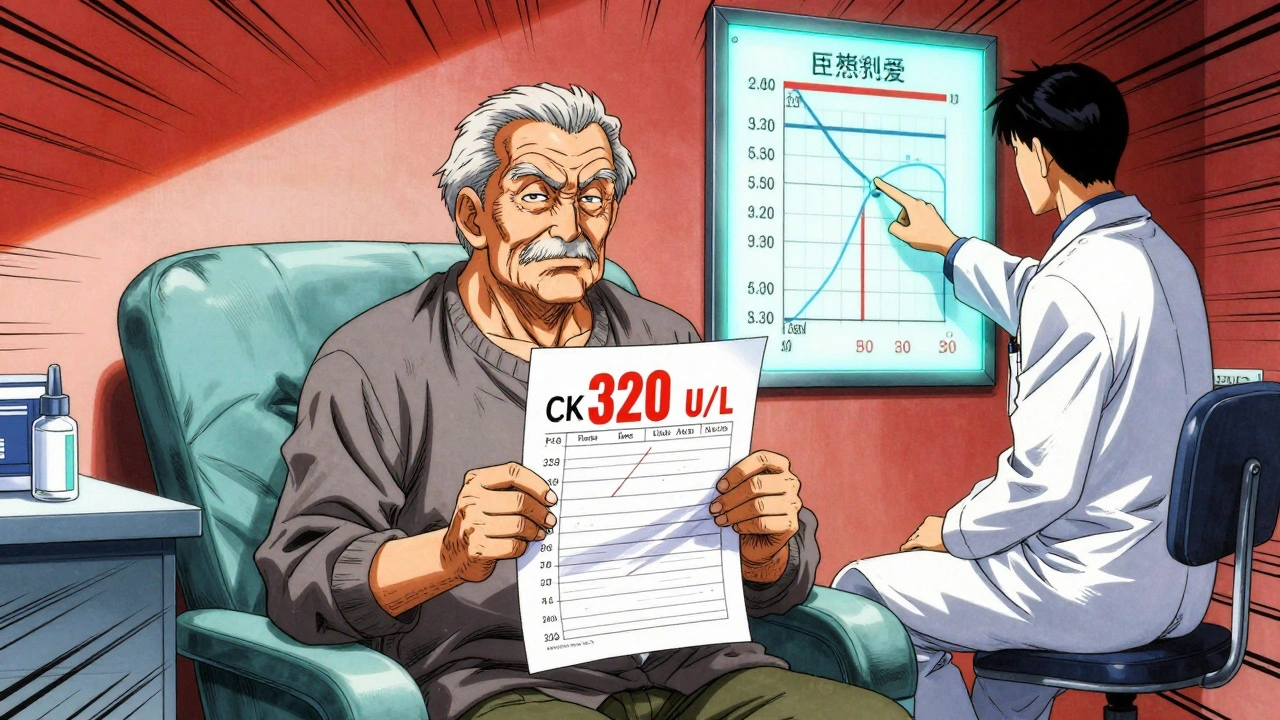
Baseline CK testing before starting statins isn't needed for everyone-but it’s critical for high-risk patients. Learn who should get tested, what the numbers mean, and why skipping it can lead to unnecessary drug stops.