
Statin Muscle Side Effects: What You Need to Know and How to Handle Them
When you take a statin, a class of drugs used to lower LDL cholesterol and reduce heart attack risk. Also known as HMG-CoA reductase inhibitors, they’re among the most prescribed medications in the world—yet muscle pain is the #1 reason people stop taking them. Not all muscle aches are caused by statins, and not all muscle pain means you need to quit. But if you’re feeling sore, weak, or tired after starting a statin, you’re not alone—and you’re not imagining it.
The real issue isn’t just discomfort. It’s confusion. Many people think any muscle pain on a statin is dangerous, but that’s not true. Statin myopathy, a spectrum of muscle-related side effects ranging from mild soreness to rare, life-threatening rhabdomyolysis affects about 5-10% of users. Most cases are mild and go away with dose adjustment or switching statins. The scary stuff—muscle breakdown leading to kidney damage—is extremely rare, happening in less than 1 in 10,000 people. What’s more common? Drug interactions, especially with grapefruit juice, certain antibiotics, or antifungals, which can raise statin levels and make muscle issues worse. Also, older adults, women, and people with thyroid issues or kidney disease are more likely to notice side effects.
Here’s what you can do: Track when the pain started, how bad it is, and if it gets worse with movement. Don’t just stop the pill—talk to your doctor. Blood tests for creatine kinase (CK) can help tell if it’s a statin issue or something else, like vitamin D deficiency or overtraining. Sometimes, switching from atorvastatin to rosuvastatin—or trying a lower dose—makes all the difference. Or maybe you need a non-statin option like ezetimibe or a PCSK9 inhibitor. The goal isn’t to avoid statins forever. It’s to find the right balance: enough cholesterol control to protect your heart, without wrecking your muscles.
Below, you’ll find real stories and science-backed advice from people who’ve been there. From how to decode your prescription label when side effects show up, to understanding when a pharmacy consultation can save you from a bad reaction, these posts give you the tools to speak up, ask the right questions, and stay in control. No fluff. Just what works.
Baseline CK Testing for Statins: When It’s Really Needed
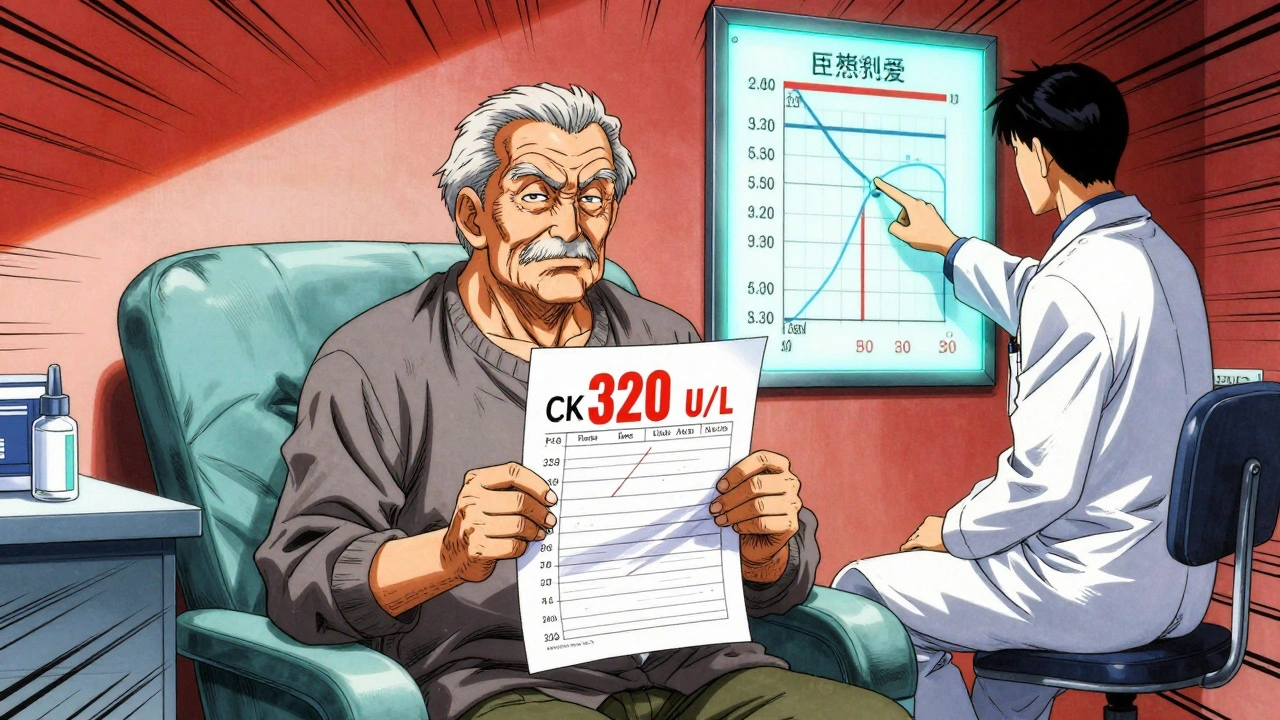
Baseline CK testing before starting statins isn't needed for everyone-but it’s critical for high-risk patients. Learn who should get tested, what the numbers mean, and why skipping it can lead to unnecessary drug stops.