
Hypertensive Crisis: What It Is, How It’s Treated, and What You Need to Know
When your blood pressure spikes to dangerous levels—usually above 180/120 mm Hg—you’re facing a hypertensive crisis, a life-threatening condition where sudden, extreme high blood pressure damages organs like the heart, brain, or kidneys. Also known as a hypertensive emergency, it’s not just a bad reading—it’s a medical event that can lead to stroke, heart attack, or kidney failure if ignored. This isn’t something you can wait out. If you have a severe headache, chest pain, shortness of breath, or blurred vision along with very high numbers, you need help now.
A hypertensive urgency, a related but less immediately dangerous condition where blood pressure is extremely high but without organ damage, still needs attention within hours. People often mistake it for regular stress or fatigue. But if you’re on blood pressure meds and suddenly feel worse, or if your readings are way above your normal range, don’t assume it’ll fix itself. Many cases happen because someone skipped doses, took too much salt, used illegal drugs like cocaine, or had a reaction to certain medications. Even some over-the-counter cold pills can trigger this.
Doctors respond fast—usually with IV drugs to bring pressure down safely, not too fast. Lowering it too quickly can cause more harm, like a stroke. They’ll check your heart, kidneys, and brain with tests like EKGs, blood work, and sometimes CT scans. The goal isn’t just to lower the number, but to stop the damage. After the crisis, your treatment plan will change. You might need new meds, tighter monitoring, or lifestyle tweaks like cutting salt, losing weight, or quitting smoking. If you’ve had one, you’re at higher risk for another, so follow-up care isn’t optional.
You’ll find real stories here—from people who nearly lost their vision to those who avoided disaster by knowing the warning signs. We cover what meds can trigger this, how kidney disease makes it worse, and why some people don’t even know they’re at risk until it’s too late. There’s also advice on how to track your numbers at home and when to call 911 instead of waiting for your doctor’s appointment. These aren’t theory pieces. They’re based on what actually works in clinics and ERs.
Whether you’re managing high blood pressure yourself, caring for someone who is, or just want to understand what’s happening when the numbers go off the charts, this collection gives you the facts without the fluff. No jargon. No guesswork. Just what you need to stay safe and know when to act.
Severe Hypertensive Crisis from Drug Interactions: What You Need to Know
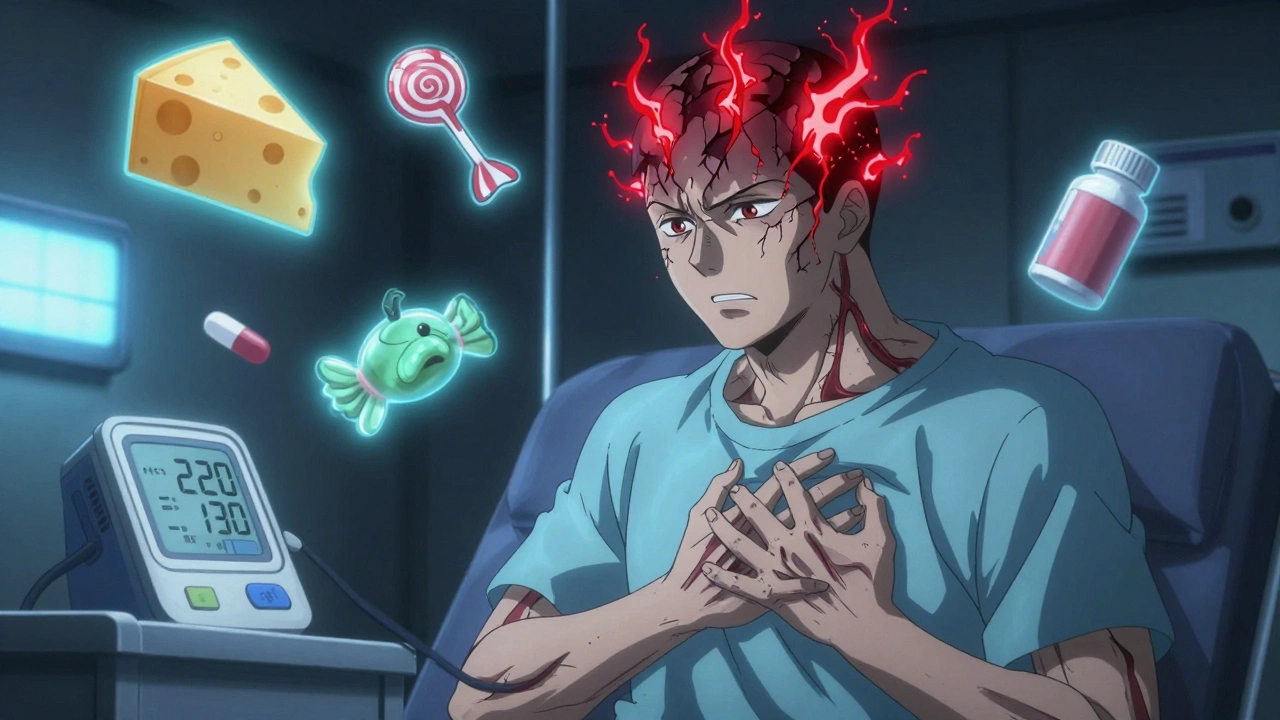
Severe hypertensive crises can be triggered by common drug interactions, including antidepressants, decongestants, and even licorice candy. Learn the hidden risks, warning signs, and how to prevent a life-threatening emergency.