
Generic Drug Side Effects: What You Need to Know Before Taking Them
When you pick up a generic drug, a medication that contains the same active ingredient as a brand-name drug but costs far less. Also known as generic medication, it's how most people in the U.S. fill prescriptions today—over 90% of them. But people still worry: do generic drugs cause more side effects? The short answer is no—if they’re approved by the FDA, the U.S. agency that tests and approves all prescription and over-the-counter drugs for safety and effectiveness. The long answer? It’s more about how your body reacts, what else you’re taking, and whether the pill you got is even real.
Side effects from generic drugs aren’t different from brand names because they contain the exact same active ingredient. But they can still cause reactions—drowsiness, nausea, dizziness, muscle pain—because your body responds to the drug, not the label. What changes are the inactive ingredients: fillers, dyes, coatings. These don’t treat your condition, but they can trigger allergies or upset your stomach if you’re sensitive. That’s why some people swear their generic version doesn’t work as well. It’s rarely the active ingredient. More often, it’s a batch variation, a counterfeit pill, or a drug interaction you didn’t see coming. Drug interactions, when two or more medications affect each other’s behavior in your body are a major cause of unexpected side effects. Take a generic statin with grapefruit juice? That can spike muscle damage risk. Mix a generic antidepressant with a decongestant? You could trigger a dangerous blood pressure spike. These risks don’t disappear just because the pill is cheaper.
And then there’s the problem of fake generics. Online pharmacies sell counterfeit versions that might have no active ingredient, too much, or even toxic chemicals. The medication safety, the practice of using drugs correctly to avoid harm starts with knowing where your pills come from. The FDA requires generics to meet the same bioequivalence standards as brand names—meaning they must deliver the same amount of drug into your bloodstream at the same rate. But that only applies to approved manufacturers. If you buy from a site that doesn’t require a prescription, you’re gambling with your health.
Some side effects are rare but serious. Black box warnings from the FDA mark the most dangerous risks—like amputations from certain diabetes drugs or liver damage from painkillers. These warnings appear on both brand and generic versions because the active ingredient is identical. That’s why reading your prescription label matters. Know the dose. Know the timing. Know what to avoid. If your pharmacist doesn’t explain it, ask. If your doctor skips the conversation, push back. You’re not being difficult—you’re protecting yourself.
There’s no magic trick to avoiding side effects. But you can reduce them. Stick to one pharmacy so they can track all your meds. Ask about generic alternatives before you agree to a brand. Check if your drug has an authorized generic—same pill, same maker, lower price. And if you feel something’s off after switching? Don’t ignore it. Track it. Report it. Your body is telling you something.
Below, you’ll find real stories, real data, and real advice from people who’ve been there—whether it’s spotting a fake pill, understanding why your generic caused dizziness, or learning how to talk to your pharmacist about drug interactions. This isn’t theory. It’s what happens when you take control of your meds.
Brand vs Generic Medications: Excipients and Side Effect Intolerances
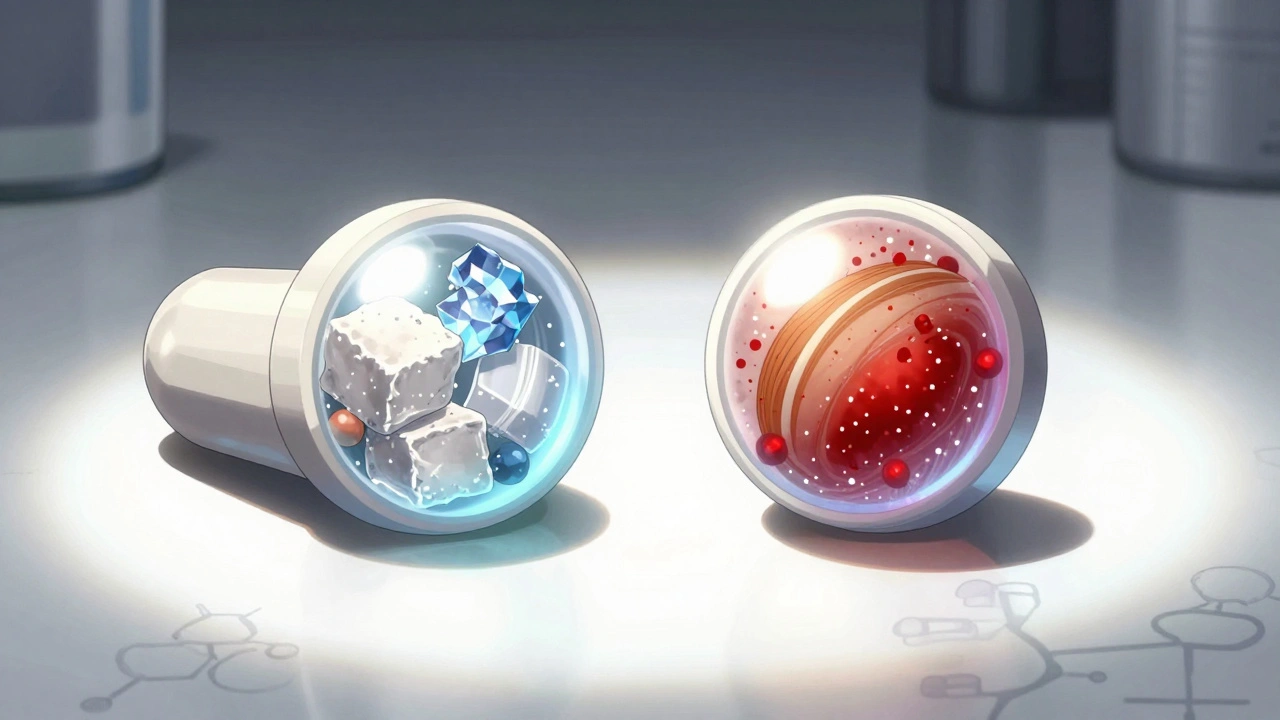
Brand and generic medications contain the same active ingredient, but differences in inactive ingredients (excipients) can trigger side effects or reduce effectiveness-especially for those with allergies or narrow therapeutic index drugs. Learn how to spot and manage these risks.