

Excipient Safety Checker
Check if common excipients in generic medications might trigger side effects based on your specific intolerances. The FDA allows different inactive ingredients in generic drugs, which can cause issues for sensitive individuals.
Next Steps:
If you have a high risk, ask your pharmacist for:
- The full excipient list using the FDA's public database (coming 2025)
- Specific generic manufacturer information
- "Dispense as written" prescription option
When you pick up a prescription, you might not notice the difference between a brand-name pill and its generic version. They look similar. They cost less. And your doctor says they’re the same. But for some people, switching from brand to generic isn’t just a cost-saving move-it can trigger nausea, dizziness, worsening symptoms, or even allergic reactions. The problem isn’t the active ingredient. It’s what’s hiding in the background: the excipients.
What Are Excipients, Really?
Excipients are the non-active ingredients in a medication. Think of them as the glue, filler, color, and flavor that help shape the pill, make it easier to swallow, or keep it stable on the shelf. Common ones include lactose, corn starch, croscarmellose sodium, titanium dioxide, and artificial dyes like FD&C Red No. 40. These ingredients don’t treat your condition. But they can still affect your body.Brand-name drug makers spend years perfecting their formulations. Once the patent expires, generic manufacturers can copy the active ingredient but are free to choose their own excipients. That’s legal. It’s also where problems can start.
Why Do Excipients Cause Problems?
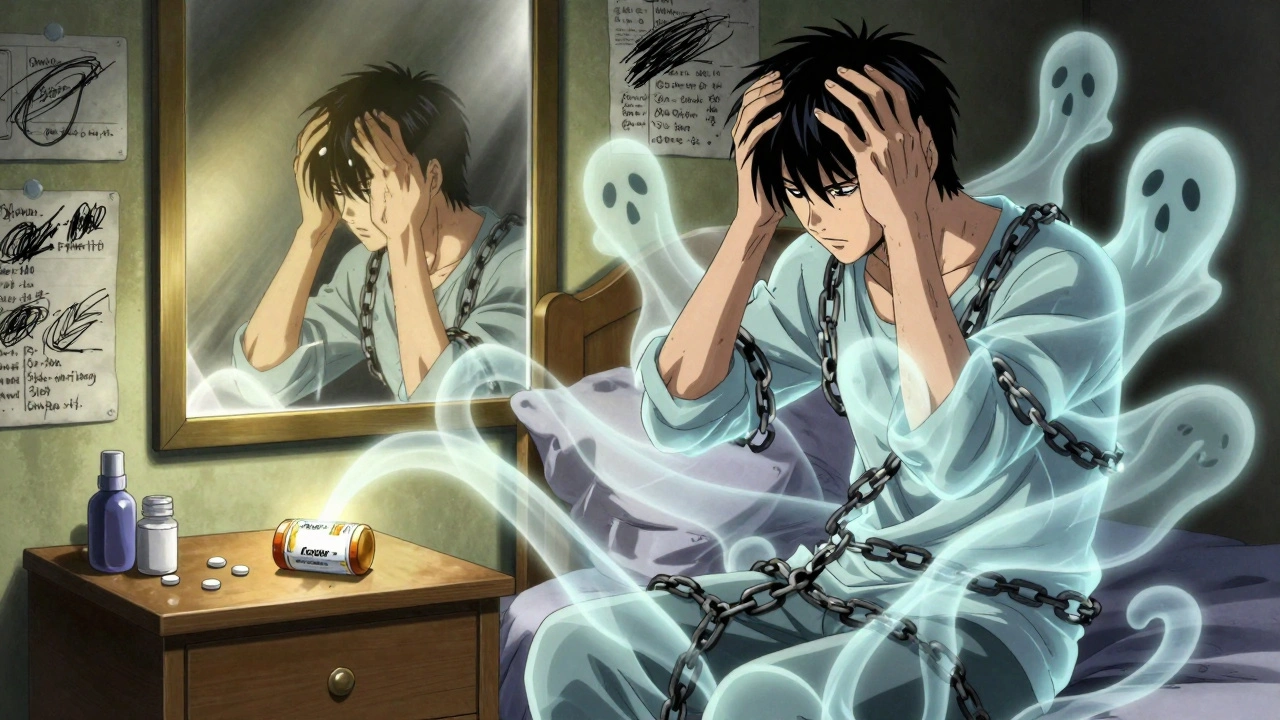
For most people, excipients are harmless. But if you have a known intolerance-say, lactose intolerance, celiac disease, or a dye allergy-switching to a generic version can be like walking into a minefield.One patient with celiac disease switched from branded levothyroxine to a generic version and started experiencing bloating, fatigue, and brain fog. Turns out, the generic used lactose as a filler. Lactose is derived from milk, and even trace amounts can trigger symptoms in sensitive people. Another person with a history of hives developed a rash after switching to a generic version of a blood pressure pill. The culprit? A red dye not present in the brand-name version.
These aren’t rare cases. A 2023 survey by GoodRx found that 12% of 10,000 people reported side effects with generics they never had with brand-name drugs. Five percent said the generic just didn’t work as well. For patients with epilepsy, Parkinson’s, or heart conditions, even small changes in how a drug is absorbed can mean the difference between control and crisis.
Narrow Therapeutic Index Drugs: When Small Changes Matter
Some medications have what’s called a narrow therapeutic index (NTI). That means the gap between a helpful dose and a dangerous one is tiny. A 5% change in blood levels can cause side effects-or make the drug stop working.Common NTI drugs include:
- Levothyroxine (for hypothyroidism)
- Warfarin (a blood thinner)
- Phenytoin and carbamazepine (anti-seizure meds)
- Digoxin (for heart failure)
- Levodopa (for Parkinson’s)
For these, excipients can change how quickly the drug dissolves in your gut. A slightly slower dissolution might mean your levodopa doesn’t reach your brain fast enough, leaving you stuck in an “off” period where movement is nearly impossible. Or, if it dissolves too fast, you might get too much at once-leading to dyskinesia, nausea, or dizziness.
Patients on Parkinson’s meds have reported this repeatedly. On the Michael J. Fox Foundation’s patient platform, 18% of 5,247 respondents said their symptoms got worse after switching to generic levodopa. One Reddit user wrote: “I went from having 3 good hours a day to barely 1. I switched back to branded Rytary-and my mobility came back.”
What the Regulators Say
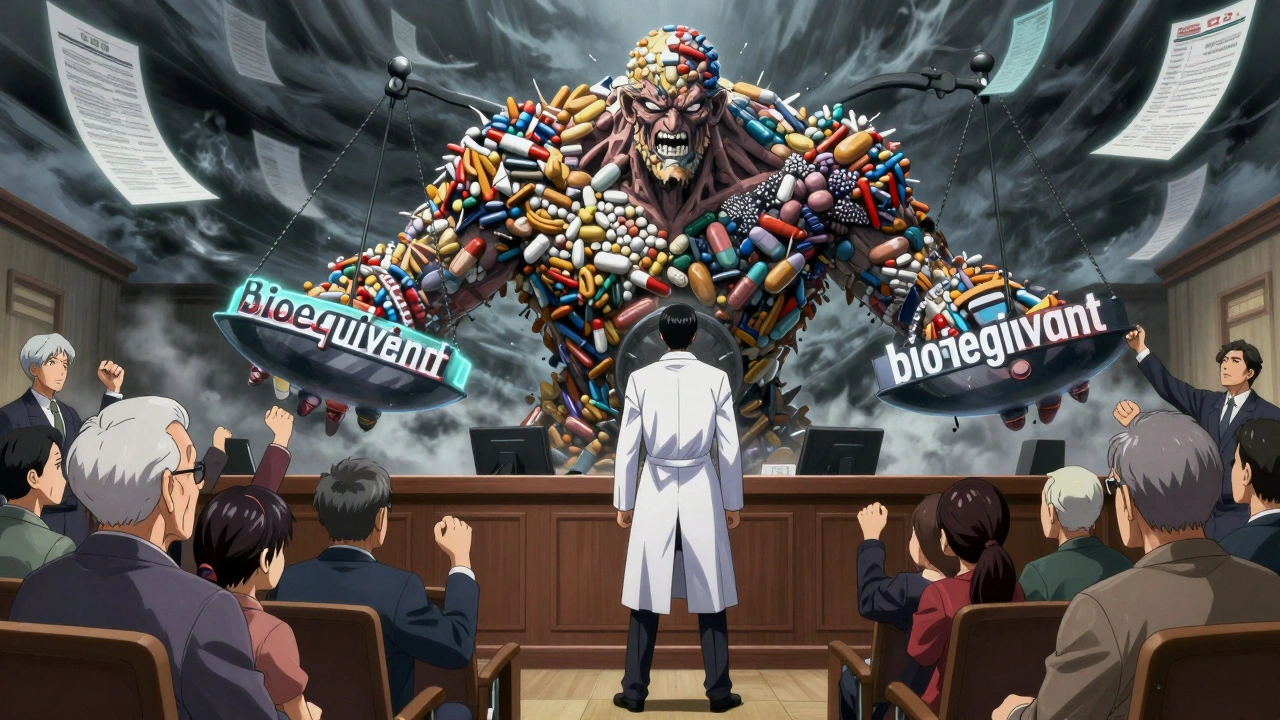
The FDA says generics must be bioequivalent to brand-name drugs. That means they deliver the same active ingredient at the same rate and amount-within 80-125% of the original. For NTI drugs, that range tightens to 90-110%.But bioequivalence doesn’t guarantee identical absorption in every person. Why? Because excipients interact differently with individual biology. One person’s gut might slow down absorption if a tablet contains a certain binder. Another’s immune system might react to a dye.
Dr. Janet Woodcock, former head of the FDA’s drug center, put it plainly: “The FDA requires generic drugs to have the same quality, strength, purity, and potency as brand-name drugs. But rarely, differences in inactive ingredients can cause issues for specific patients.”
The Merck Manual adds: “Generic substitution may not be appropriate if a person is allergic to an inactive ingredient or if small differences in blood levels can have large clinical consequences.”
Who’s Most at Risk?
Not everyone needs to worry. But if you fall into one of these groups, pay attention:- You have food or chemical intolerances (lactose, gluten, sulfites)
- You have allergies to dyes, preservatives, or fillers
- You take NTI medications
- You’ve noticed changes in symptoms after switching meds
- You’re elderly or have gut absorption issues
People with autoimmune diseases, chronic conditions, or multiple medications are especially vulnerable. A 2022 study in JAMA Internal Medicine found that while 92% of generic drugs performed equally to brands, the 8% that didn’t were often in high-risk categories like epilepsy and heart disease.
What You Can Do
You don’t have to accept side effects as normal. Here’s how to protect yourself:- Ask your pharmacist-before you fill any new prescription. Say: “Does this generic have lactose, gluten, or red dye?” They have access to the full ingredient list in the package insert.
- Keep a medication diary. Note when you switch brands and what symptoms appear or disappear. This helps you and your doctor spot patterns.
- Request “dispense as written” on your prescription. That tells the pharmacy not to substitute. It’s legal. Your doctor just needs to write it.
- Stick with the same generic manufacturer. If you’ve found a generic that works, ask to refill it from the same company. Generic manufacturers change formulations too. One batch might use corn starch; the next might use tapioca.
- Check the FDA’s upcoming excipient database. Launching in 2025, this public tool will list all inactive ingredients in brand and generic drugs-making it easier to compare before switching.
Cost vs. Safety: The Real Trade-Off
Generics save the U.S. healthcare system $373 billion a year. That’s huge. For most people, switching saves money with no downside.But if you’re one of the 5-7% who experience problems, the cost of a brand-name drug might be worth it. A 30-day supply of generic levothyroxine might cost $4. The brand? $45. But if you’re constantly tired, gaining weight, or having heart palpitations because your dose isn’t working right, that $41 difference becomes a cost in quality of life.
Medicare Part D plans charge $1-5 for generics and $40-100 for brands. But if you’re on a low-income subsidy, you might qualify for brand-name coverage at a lower cost. Talk to your pharmacist or social worker.
The Future of Generic Medications
The generic drug market is growing fast-projected to hit $611 billion by 2028. But manufacturers are starting to listen. In early 2024, the Generic Pharmaceutical Association announced plans to standardize excipients in NTI drugs. Some companies are already marketing “clean excipient” versions of their products-free from common allergens.By 2030, “excipient profile” might be as important as active ingredient strength when choosing a medication. For patients with sensitivities, this could mean fewer surprises and better control.
Right now, you’re not powerless. You just need to know what to ask for-and when to push back.
Are generic medications as safe as brand-name ones?
For most people, yes. Generic medications contain the same active ingredient and meet strict FDA standards for effectiveness. But for patients with specific intolerances-like lactose sensitivity or dye allergies-excipients in generics can cause side effects not seen with the brand-name version. Safety isn’t just about the active ingredient; it’s about what’s in the whole pill.
Can excipients really make a generic drug less effective?
Yes, in rare cases. Excipients can change how quickly a drug dissolves in your stomach or how well it’s absorbed. This matters most with narrow therapeutic index drugs like levothyroxine, warfarin, or levodopa. A small delay in absorption can mean the drug doesn’t reach effective levels in your bloodstream-leading to worsening symptoms. Studies show that 8% of generic drugs have statistically different outcomes in specific patient groups.
How do I find out what’s in my generic medication?
The ingredient list isn’t on the pill bottle. You need to ask your pharmacist for the package insert or look up the drug using the FDA’s upcoming public excipient database (coming in 2025). You can also search the National Library of Medicine’s DailyMed database using the drug’s name and manufacturer. Don’t assume all generics are the same-even the same generic from different manufacturers can have different fillers.
Should I avoid generics if I have allergies?
Not necessarily-but you must be proactive. If you’re allergic to lactose, gluten, or certain dyes, ask your pharmacist to check the excipients before filling your prescription. Some generics are made without these ingredients. Your doctor can also write “do not substitute” on your prescription to ensure you get the brand or a specific generic version that’s safe for you.
What should I do if I think a generic is causing side effects?
Don’t stop taking your medication without talking to your doctor. Instead, note the timing: Did symptoms start after switching? Keep a log of your symptoms, dosage, and when you switched. Bring this to your doctor or pharmacist. They can help you switch back to the brand or find a different generic formulation that doesn’t contain the problematic excipient.
Can I request a brand-name drug even if a generic is available?
Yes. Your doctor can write “dispense as written” or “do not substitute” on your prescription. Insurance may require prior authorization, especially for expensive drugs, but many plans will cover the brand if you have documented intolerance or clinical need. For NTI drugs or patients with allergies, this is a medically valid request.
Aileen Ferris
December 9, 2025 AT 16:38Rebecca Dong
December 9, 2025 AT 16:42Michelle Edwards
December 9, 2025 AT 19:03And yes, pharmacists can give you the full ingredient list if you ask. Don’t be shy - your health matters more than their rush.
Sarah Clifford
December 11, 2025 AT 09:01Regan Mears
December 11, 2025 AT 19:25But here’s the thing: most people are fine. The problem is that we don’t educate patients enough. If you’re worried, ask. Write it down. Bring your pill bottle to your doc. You’re not being difficult - you’re being smart. And if your insurance denies a brand, appeal. Document everything. You have rights.
Ben Greening
December 13, 2025 AT 07:23Nikki Smellie
December 14, 2025 AT 14:30Neelam Kumari
December 16, 2025 AT 12:48Queenie Chan
December 17, 2025 AT 18:11Stephanie Maillet
December 18, 2025 AT 01:44David Palmer
December 18, 2025 AT 18:10Doris Lee
December 19, 2025 AT 19:47