
Employee Wellbeing: How Workplace Health Impacts Medication Safety and Daily Life
When we talk about employee wellbeing, the physical, mental, and emotional state of workers in their professional environment. Also known as workplace health, it's not just about free snacks or yoga classes—it's the foundation for safe medication use, fewer errors, and better long-term outcomes. If someone is exhausted from double shifts, stressed about deadlines, or skipping meals because they’re too busy, their ability to follow complex drug schedules drops fast. A tired person might forget to take their blood pressure pill, mix up dosages, or ignore warning signs like dizziness or chest tightness—all because their body and mind are running on empty.
Medication safety, the practice of ensuring drugs are used correctly to avoid harm doesn’t happen in a vacuum. It’s shaped by the conditions people live and work in. Someone with workplace health, the overall physical and mental condition of employees influenced by job demands, schedule, and environment that includes night shifts, high-pressure targets, or no breaks is far more likely to miss doses, misunderstand labels, or ignore side effects. That’s why employee wellbeing directly connects to real risks like hypertensive crises from missed meds, statin side effects from poor sleep, or dangerous interactions from over-the-counter cold pills taken while on antidepressants. Pharmacists see this every day: people who can’t afford to take time off to ask questions, or who are too drained to read the fine print on their prescription bottle.
It’s not just about taking pills on time. It’s about having the mental space to understand them. If you’re dealing with chronic stress, your body reacts differently to drugs. Studies show high cortisol levels can interfere with how medications are absorbed and processed. That’s why someone managing diabetes on a combination med might see their numbers spike—not because the drug stopped working, but because they haven’t slept in three days. Or why a person with lactose intolerance might think they’re reacting to their meds, when it’s really the 10pm snack they grabbed after a 14-hour shift. The line between work stress and drug response is thinner than most think.
What you’ll find below are real stories and clear facts about how everyday work life affects health decisions. From how CPAP users struggle to sleep when their shift schedule is all over the place, to why people on statins skip baseline CK tests because they can’t afford to take time off, these posts don’t just list problems—they show you how to spot them, ask the right questions, and protect yourself. Whether you’re managing your own meds, helping someone else, or just trying to stay safe in a demanding job, this collection gives you the tools to connect the dots between your job, your health, and your prescriptions.
Workplace Stress and Burnout: Proven Prevention and Recovery Strategies for 2025
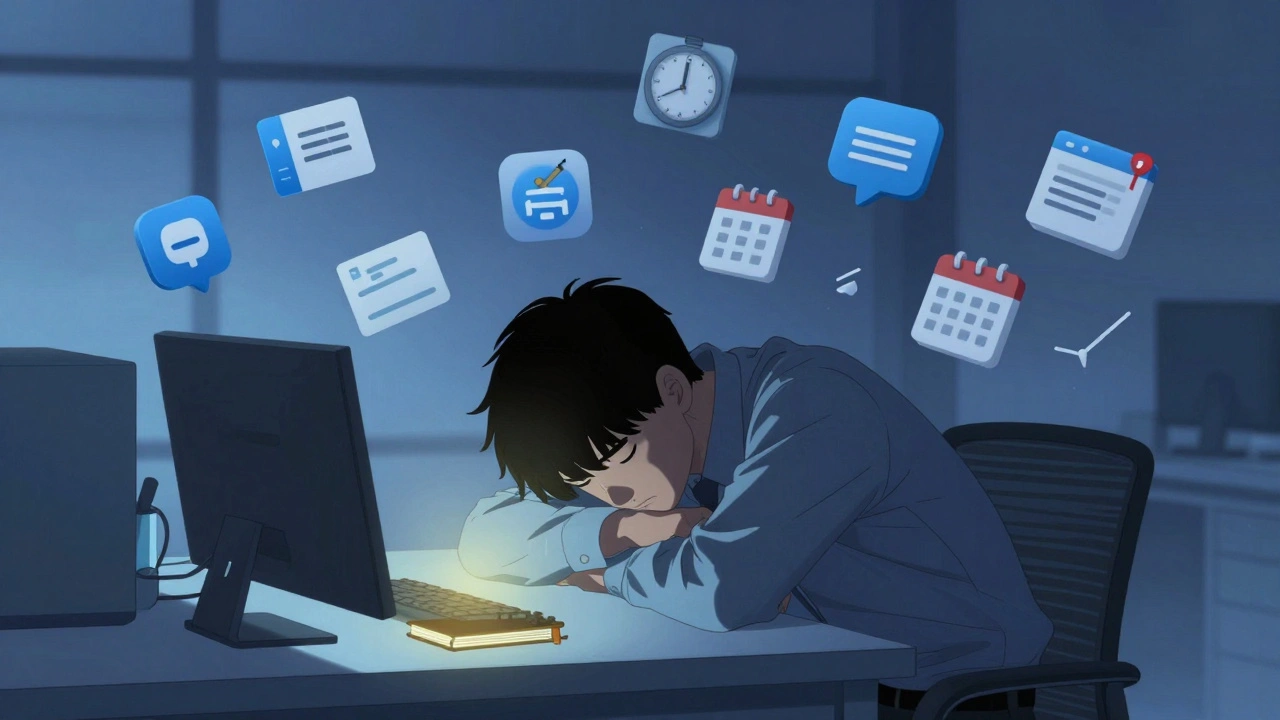
Workplace burnout is a systemic issue, not a personal one. Learn proven prevention and recovery strategies backed by 2025 data, from AI workload tools to digital sunset policies that actually work.