
CPAP Dry Mouth: Causes, Fixes, and What Works Best
When you use a CPAP machine, a device that delivers continuous air pressure to keep airways open during sleep, commonly used for sleep apnea. Also known as continuous positive airway pressure therapy, it’s one of the most effective treatments for sleep apnea—but many users fight a frustrating side effect: CPAP dry mouth. It’s not just uncomfortable. Waking up with a parched throat, sticky tongue, or cracked lips can make you dread bedtime instead of looking forward to rest.
Why does this happen? The most common cause is mouth breathing while wearing the mask. If your mask leaks or doesn’t seal properly, air escapes and dries out your mouth. Some people naturally breathe through their mouth at night, especially if they have nasal congestion from allergies, a deviated septum, or sinus issues. Even if you’re using a nasal mask, air can still escape and blow directly into your mouth, pulling moisture away. Another factor? Not using a humidifier, a device that adds moisture to the air stream from your CPAP machine. Also known as CPAP humidifier, it’s not optional—it’s often the missing piece that turns a painful experience into a restful one. Without it, the pressurized air acts like a desert wind inside your mouth.
There are also less obvious causes. Certain medications—like antihistamines, antidepressants, or blood pressure drugs—can reduce saliva production. Dehydration, alcohol, or smoking before bed makes it worse. Even sleeping position plays a role. Lying on your back can encourage mouth opening, especially if your jaw drops open unconsciously. And if you’ve switched to a new mask or adjusted pressure settings recently, your body might still be adapting.
Thankfully, fixing CPAP dry mouth isn’t about guesswork. Most cases respond well to simple, proven changes. Start with a heated humidifier—set it to the highest comfortable level. Try a chin strap to keep your mouth closed, or switch to a full-face mask if you’re currently using a nasal one. Some users swear by oral moisturizing gels designed for dry mouth, applied before bed. Drinking water during the day helps, but avoid chugging right before sleep—it can trigger nighttime bathroom trips. If you’re still struggling, check your mask fit. A poorly sealed mask isn’t just leaking air; it’s leaking sleep quality.
What you’ll find below are real solutions from people who’ve been there. From comparing humidifier settings that actually work, to understanding which masks reduce mouth breathing, to spotting hidden drug interactions that worsen dryness—these posts cut through the noise. You’ll see how others fixed their CPAP dry mouth without quitting therapy. No fluff. No marketing. Just what helps—and what doesn’t.
CPAP Troubleshooting: Fix Dry Mouth, Mask Leaks, and Pressure Issues
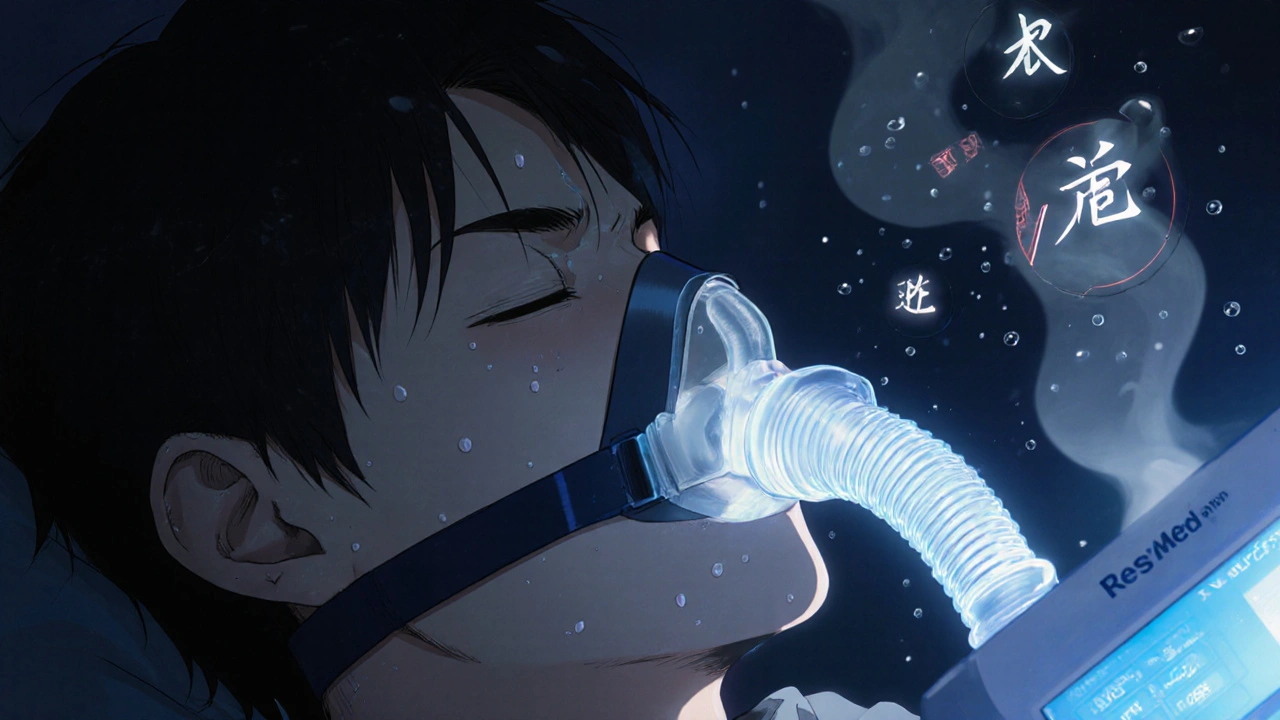
Fix dry mouth, mask leaks, and pressure issues with CPAP therapy. Learn proven solutions backed by sleep specialists and user data to improve comfort and adherence.