
Beers Criteria: What It Is and Why It Matters for Older Adults' Medications
When you’re over 65, taking too many pills can be more dangerous than not taking enough. That’s where the Beers Criteria, a list of medications that may do more harm than good in older adults. Also known as the AGS Beers Criteria, it’s updated every few years by the American Geriatrics Society to help doctors avoid drugs that increase fall risk, confusion, kidney damage, or even death in seniors. It’s not about banning medications—it’s about knowing which ones to question.
The Beers Criteria doesn’t just list bad drugs. It shows you why they’re risky. For example, anticholinergics like diphenhydramine (found in Unisom and some cold meds) can blur vision, cause memory lapses, and make seniors dizzy. Benzodiazepines like lorazepam might help with anxiety but raise the chance of falls and fractures. Even common painkillers like long-term NSAIDs can wreck kidneys or trigger heart problems in older bodies. The polypharmacy problem—taking five or more meds at once—is a big reason these risks pile up. And it’s not just about the drugs themselves. It’s how they interact. One pill might make another stronger. Another might cancel out the good effects. That’s why the geriatric pharmacology behind the Beers Criteria looks at how aging changes the way drugs are absorbed, processed, and cleared from the body.
You won’t find every medication on the list. Some are okay if used briefly or under close supervision. But the goal is simple: stop prescribing what’s unnecessary, replace what’s risky, and always ask, "Is this still helping?" The posts here cover real examples—like why meclizine for vertigo might be a bad fit for an 80-year-old, how antihistamines can mimic dementia, and why certain pain or sleep meds need a second look in older patients. You’ll also find guides on safer alternatives, how to talk to your doctor about cutting meds, and what to watch for if you’re already on one of these drugs. This isn’t theoretical. It’s about keeping real people safe, alert, and independent longer.
Generic Drug Safety in Older Adults: What You Need to Know About Age-Related Risks
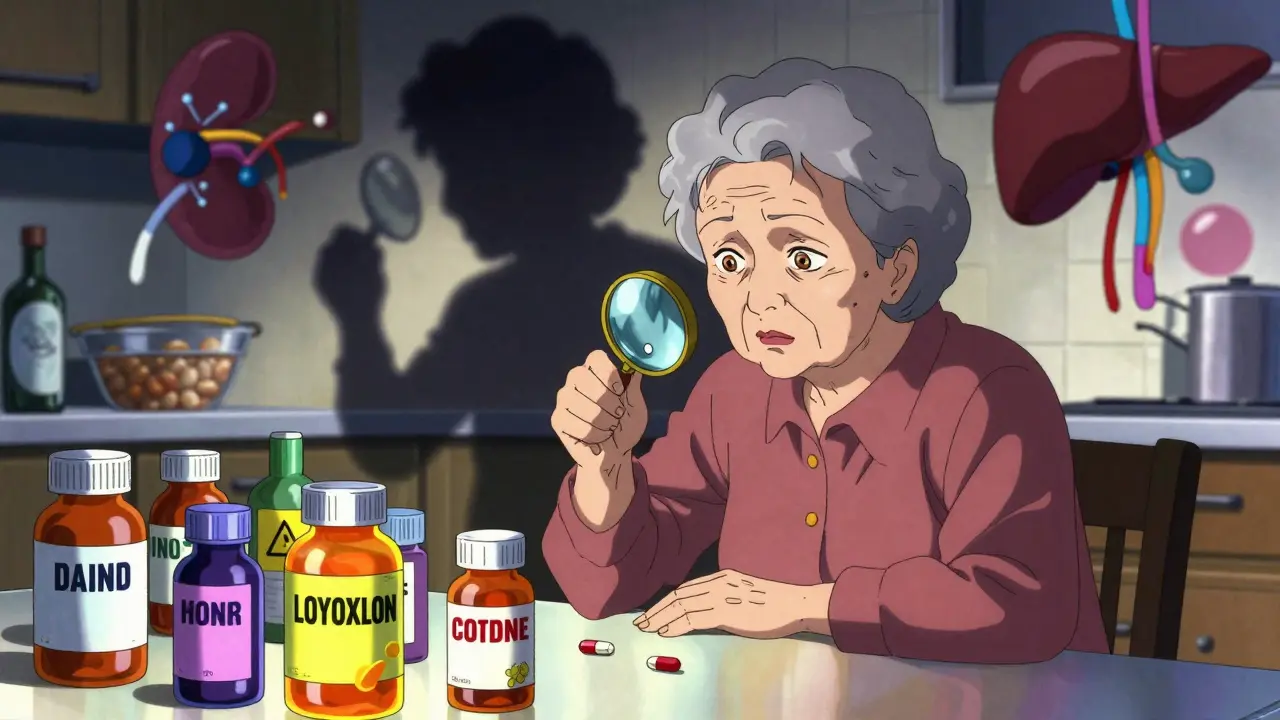
Generic drugs are safe for older adults-but age-related changes in metabolism, polypharmacy, and drug sensitivity increase risks. Learn how to use them safely with expert guidelines and practical tips.
Medication Dosage Adjustments for Aging Bodies and Organs

Aging changes how your body handles medicine. Learn why seniors need lower doses, which drugs are most dangerous, and how to avoid harmful side effects through proper medication adjustments.