
Vision Therapy: What It Is, Who It Helps, and What Really Works
When you think of vision problems, you probably think of glasses or contacts. But vision therapy, a targeted program of eye exercises and activities designed to improve how the brain controls eye movement, focus, and teamwork. Also known as vision training, it’s not about making your eyes see clearer—it’s about making them work together the way they’re supposed to. If your eyes don’t track a line of text smoothly, struggle to switch focus from screen to paper, or double up when you’re tired, vision therapy might be the missing piece—not a cure, but a reset for how your visual system operates.
It’s often confused with simple eye exercises you find online, but real vision therapy is guided by trained specialists and built around measurable goals. It’s used for binocular vision, the ability of both eyes to aim, move, and focus as a team problems like convergence insufficiency, where eyes drift outward when reading. It also helps with visual processing, how the brain interprets what the eyes send, which can affect reading speed, depth perception, and even sports performance. Kids with learning struggles often get tested for this—because poor eye coordination can look like ADHD or dyslexia. But adults get it too: after concussions, strokes, or long hours on screens, the visual system can get out of sync.
It’s not magic. You won’t fix 20/20 vision with it. But if you’re squinting, losing your place while reading, or getting headaches after computer work, and your eye exam says your vision is fine—vision therapy could be why. The tools? Simple: lenses, prisms, balance boards, computer programs, and exercises that retrain the brain’s control over eye muscles. Sessions are weekly, usually 30 to 60 minutes, and last months—not days. Success isn’t guaranteed, but studies show strong results for specific conditions like eye teaming issues in children and post-concussion visual fatigue.
What you won’t find in this collection are ads for miracle glasses or online programs promising instant results. Instead, you’ll find real discussions: how vision therapy compares to patching, why some doctors still doubt it, what the research actually says about its use in adults, and how it fits with other treatments like occupational therapy or corrective lenses. You’ll see how it connects to conditions like strabismus, amblyopia, and even motion sickness. And you’ll learn what questions to ask before starting—because not all programs are created equal.
Convergence Insufficiency Therapy: Effective Treatments for Binocular Vision Disorders
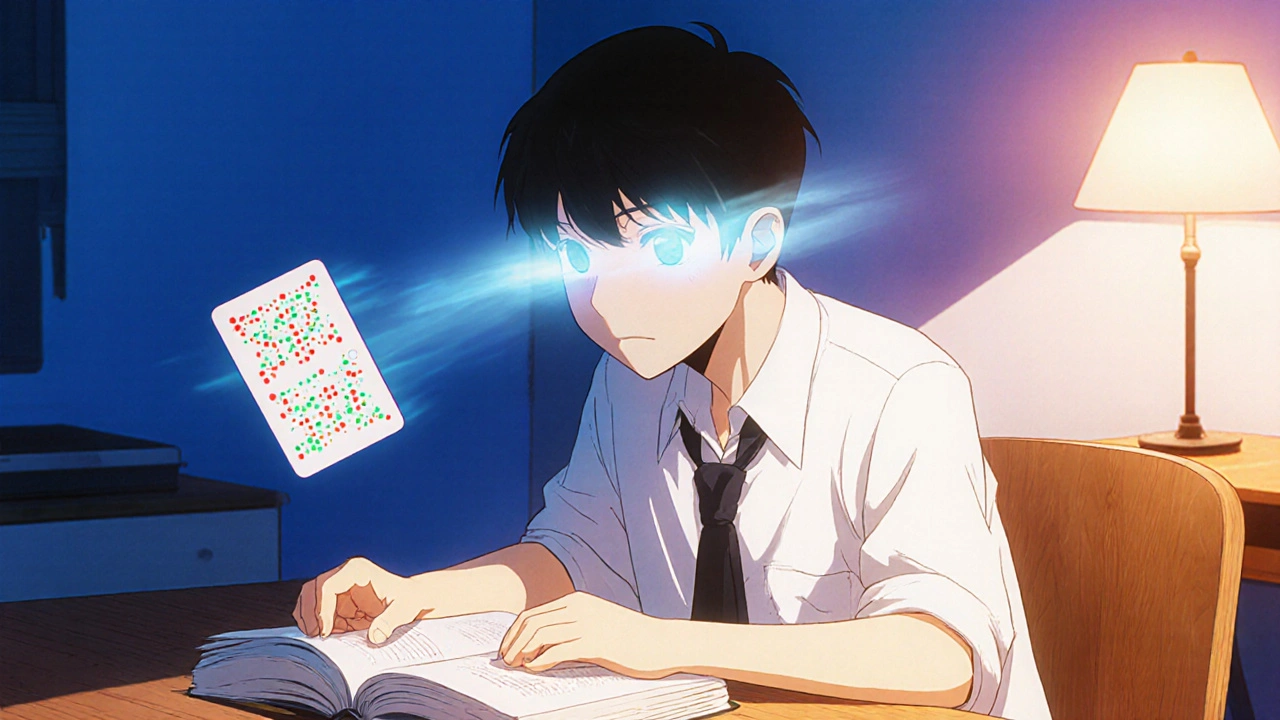
Convergence insufficiency causes eye strain and reading difficulties but is often missed. Learn how office-based vision therapy with home exercises is the most effective treatment, backed by science and real results.