
Eye Convergence Exercises: Improve Focus and Reduce Eye Strain
When your eyes struggle to work together—like when reading a screen for hours or staring at a phone too long—you’re dealing with a breakdown in eye convergence, the ability of both eyes to turn inward to focus on a nearby object. Also known as near point convergence, this is a natural function that keeps your vision sharp and single. When it fails, you get headaches, blurry vision, or double images, especially after prolonged close-up work. It’s not just about tired eyes. Poor convergence is a real visual skill issue, and like any muscle, it can be trained.
Binocular vision, how your brain combines input from both eyes into one clear image depends on strong, coordinated eye muscles. If those muscles are weak or uncoordinated, your brain starts to ignore one eye’s input to avoid confusion—leading to eye strain, fatigue, and even avoidance of reading or screen use. Visual therapy, a set of targeted exercises designed to retrain how the eyes and brain work together is often the solution. Unlike glasses or surgery, these exercises don’t fix the problem for you—they teach your eyes how to fix themselves. And the best part? You can start doing them at home with just a pencil or a pen.
People who spend hours on computers, students cramming for exams, or anyone who notices their vision blurring when switching from screen to paper are the ones who benefit most. Kids with reading difficulties often have undiagnosed convergence issues too. These exercises aren’t magic, but they’re backed by clinical practice—optometrists use them daily to treat convergence insufficiency, a common but overlooked condition. You don’t need fancy gear. Just 10 minutes a day, focusing on a small object as you move it slowly toward your nose, then back out. Repeat. Over weeks, your eyes start remembering how to lock in.
It’s not about replacing glasses. It’s about making your eyes work better with the glasses you already have. If you’ve tried reading glasses, blue light filters, or screen breaks and still feel worn out, your eyes might just need a workout. The science is clear: consistent practice improves focus speed, reduces discomfort, and helps you stay sharp longer. And it’s not just for adults. Kids who struggle with schoolwork often improve dramatically once their eyes learn to team up properly.
Below, you’ll find real stories and practical guides from people who’ve used these exercises to fix their eye strain. Some found relief after years of headaches. Others finally stopped avoiding close-up tasks. You’ll see what works, what doesn’t, and how to avoid common mistakes that make the exercises useless. No fluff. No hype. Just what happens when you train your eyes the right way.
Convergence Insufficiency Therapy: Effective Treatments for Binocular Vision Disorders
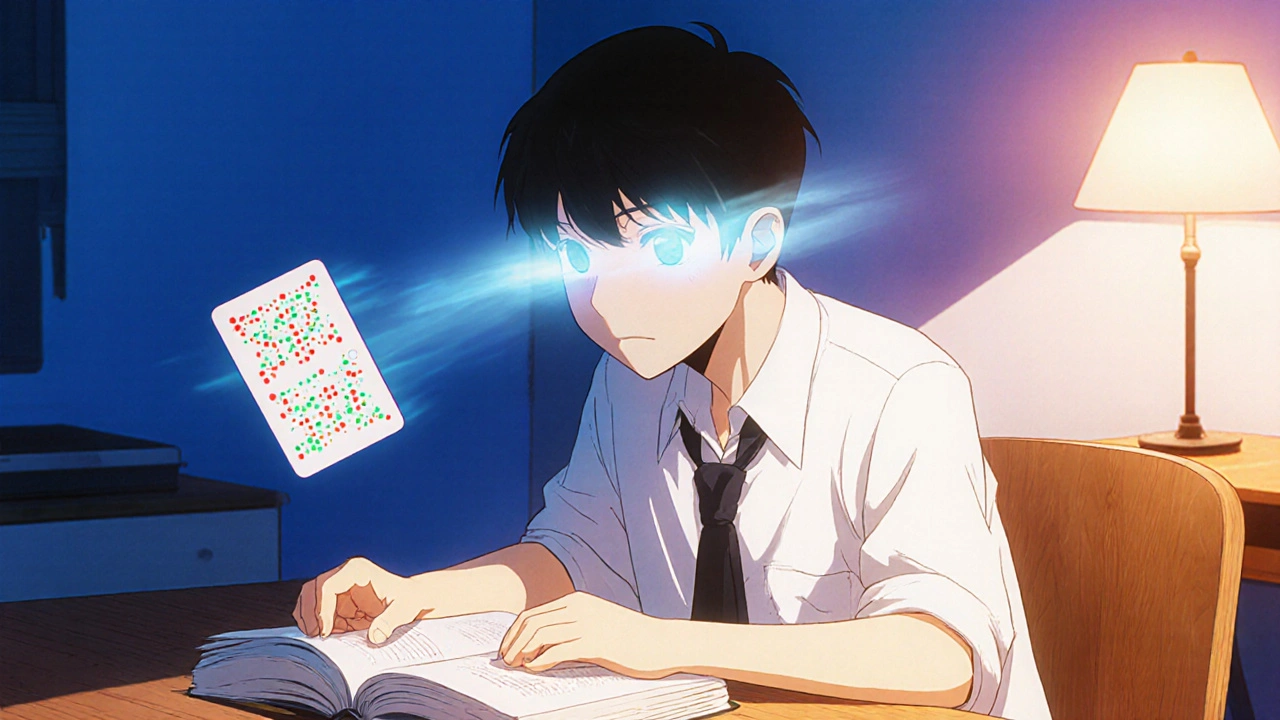
Convergence insufficiency causes eye strain and reading difficulties but is often missed. Learn how office-based vision therapy with home exercises is the most effective treatment, backed by science and real results.