
Deep Brain Stimulation: What It Is, How It Works, and What You Need to Know
When deep brain stimulation, a surgical therapy that uses implanted electrodes to send electrical pulses to specific brain areas. Also known as neurostimulation, it's not a cure—but for many, it’s the difference between being stuck and being able to move again. This isn’t science fiction. It’s a proven treatment used in over 150,000 people worldwide, mostly for movement disorders that don’t respond well to pills anymore.
It’s most commonly used for Parkinson’s disease, a neurological condition causing tremors, stiffness, and slow movement. When meds like levodopa start losing their effect or cause wild side effects, deep brain stimulation steps in. It doesn’t stop the disease, but it smooths out the worst spikes and drops in symptoms. It also works for essential tremor, a condition that makes hands shake uncontrollably, often during eating or writing, and for dystonia, a disorder where muscles contract involuntarily, causing twisting or abnormal postures. These aren’t rare conditions. Millions live with them—and many find real relief with this therapy.
How does it actually work? A surgeon places thin wires into targeted areas of the brain—usually the subthalamic nucleus or globus pallidus. These connect to a pacemaker-like device under the chest skin. That device sends constant, adjustable pulses that disrupt the faulty signals causing the tremors or stiffness. Think of it like resetting a short-circuited circuit. The patient doesn’t feel the pulses, but they feel the difference: better control, less shaking, more independence. It’s not for everyone. You need to be in good overall health, have tried medications first, and have symptoms that clearly match the brain targets. But for those who qualify, it’s often life-changing.
You’ll find posts here that compare this therapy to other options—like focused ultrasound or medication tweaks—and dive into real patient experiences. Some cover what happens during recovery, how to adjust the device settings, or why some people still need pills after surgery. Others explain how it’s used for conditions beyond movement disorders, like severe OCD or depression, though those uses are still being studied. There’s no single answer that works for every case. But if you or someone you know is struggling with uncontrolled shaking, stiffness, or muscle spasms that meds can’t fix, this collection gives you the facts without the fluff.
Parkinson’s DBS: How Deep Brain Stimulation Works and Who Makes a Good Candidate
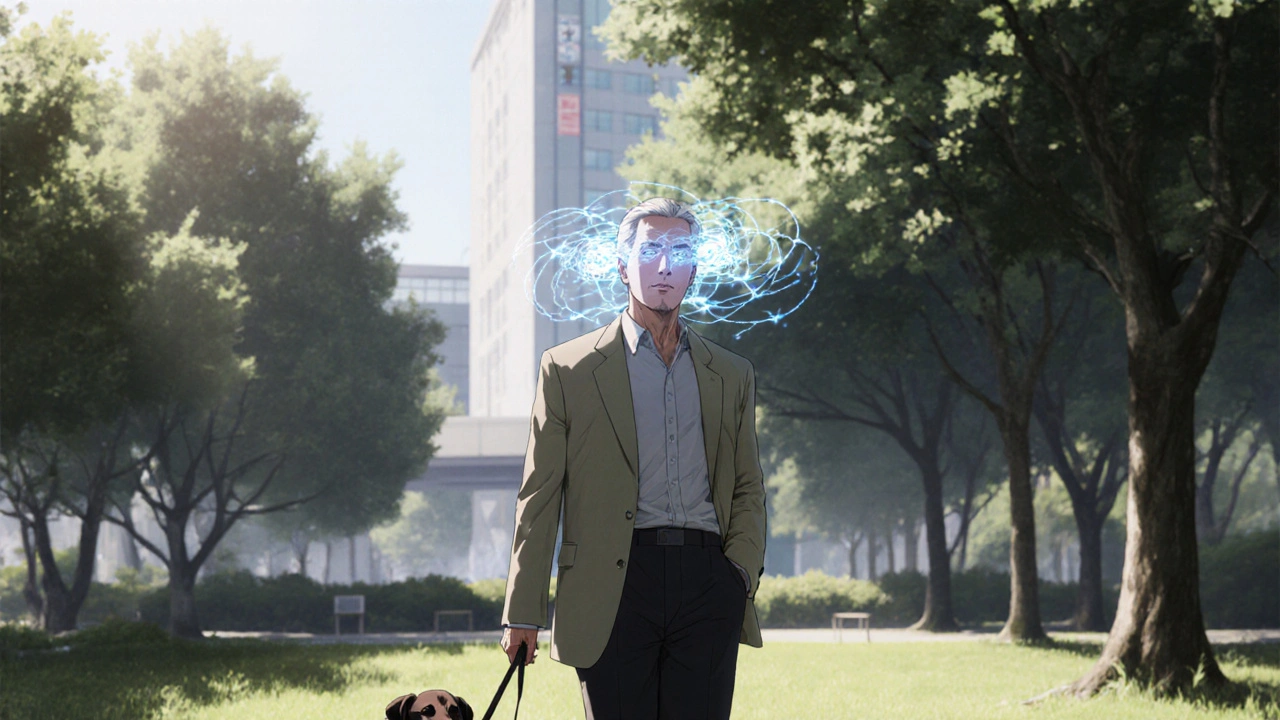
Deep Brain Stimulation (DBS) can dramatically improve motor symptoms in Parkinson’s disease-but only for the right candidates. Learn who benefits, how it works, and what to expect before and after surgery.