
DBS Surgery: What It Is, Who It Helps, and What You Need to Know
When medication isn’t enough to control shaking, stiffness, or involuntary movements, DBS surgery, a neurosurgical procedure that uses implanted electrodes to send electrical pulses to specific brain areas. Also known as deep brain stimulation, it’s not a cure—but for many, it’s a life-changing tool. This isn’t science fiction. Over 150,000 people worldwide have had it done, mostly for Parkinson’s, essential tremor, or dystonia. It doesn’t stop the disease, but it can turn a day full of uncontrollable shaking into one where you can hold a cup, write your name, or walk without help.
DBS surgery works by targeting small, precise areas in the brain—like the subthalamic nucleus or globus pallidus—that go haywire in movement disorders. The device, about the size of a stopwatch, is implanted under the skin near the collarbone. Wires run up to the brain, connected to electrodes. These deliver constant, adjustable pulses that calm overactive signals. Think of it like a pacemaker for your brain. The settings can be tweaked over time, often without more surgery. It’s not for everyone. Doctors look at symptom severity, how well meds worked before, and whether the person has dementia or serious mental health issues. If you’ve been on levodopa for years and it’s losing its punch, DBS might be next.
Related treatments like Parkinson’s disease, a progressive nervous system disorder affecting movement and essential tremor, a neurological condition causing rhythmic shaking, often in the hands are often the reason people even consider this surgery. Unlike drugs that wear off or cause side effects like nausea or hallucinations, DBS offers steady control. But it’s not magic. Recovery takes weeks. You’ll need follow-ups to fine-tune the device. Some people get better speech or balance. Others notice mood changes or tingling. It’s a trade-off—and one you make with your neurologist, not just your surgeon.
What you’ll find below are real stories and comparisons: how DBS stacks up against other options, what patients actually experience after surgery, how it affects daily life, and what to watch for when choosing a center. You’ll see how it connects to medication management, brain mapping tech, and long-term care. No fluff. Just what matters if you’re considering this step—or helping someone who is.
Parkinson’s DBS: How Deep Brain Stimulation Works and Who Makes a Good Candidate
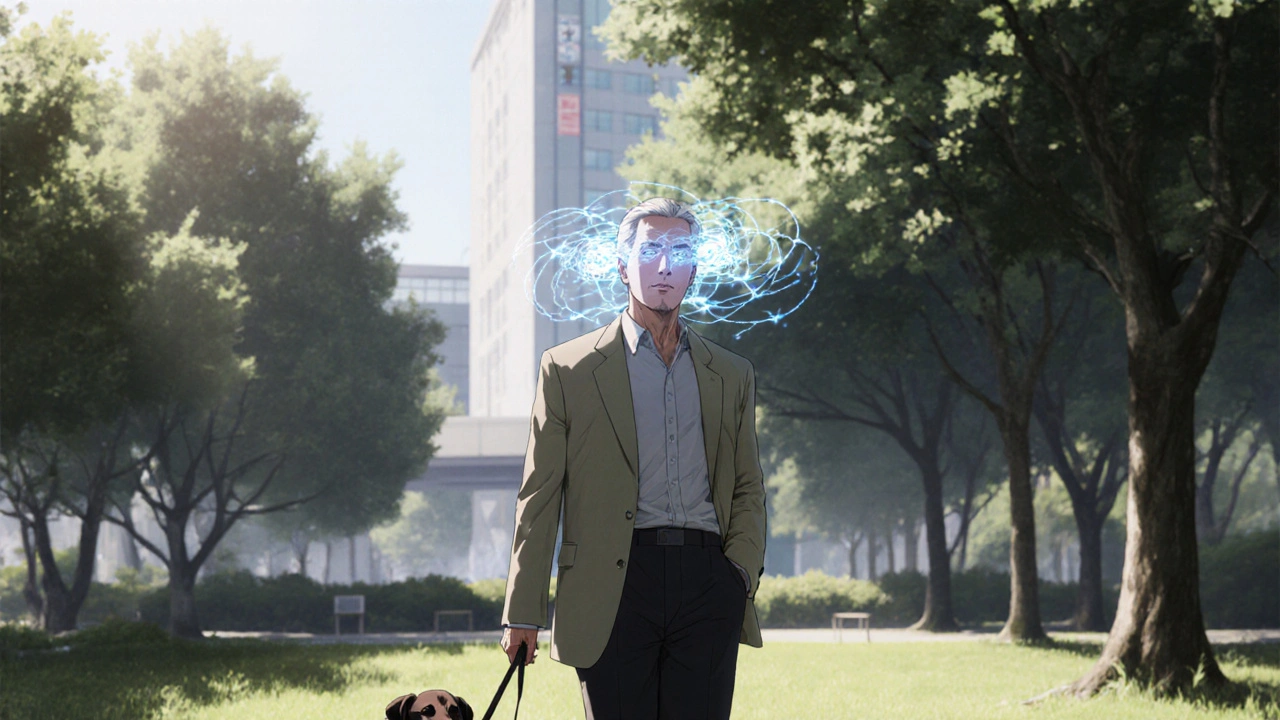
Deep Brain Stimulation (DBS) can dramatically improve motor symptoms in Parkinson’s disease-but only for the right candidates. Learn who benefits, how it works, and what to expect before and after surgery.