
Counterfeit Generics: How to Spot Fake Medicines and Stay Safe
When you buy a counterfeit generic, a fake version of a real medication that looks real but contains wrong or no active ingredients. Also known as fake pills, these dangerous products flood online pharmacies and can cause serious harm—or death. They’re not just cheap knockoffs—they’re often made in unregulated labs with toxic fillers, incorrect dosages, or no medicine at all. The FDA estimates that up to 1 in 10 pills sold online are fake, and the problem is growing fast.
Most online pharmacy, a website selling prescription drugs without a valid license or proper oversight. Also known as rogue pharmacies, these sites lure people with prices that seem too good to be true—like $5 for Viagra or $10 for Tylenol. They don’t require prescriptions, don’t list a physical address, and often use fake logos to look like real companies. Many of these sites sell generic drugs, legally approved copies of brand-name medicines that must meet the same safety and effectiveness standards. Also known as bioequivalent medications, they’re safe when bought from licensed pharmacies. But counterfeit versions mimic the shape, color, and imprint of real generics, making them nearly impossible to tell apart without lab testing.
People buy these fake pills because they’re desperate to save money. But the cost isn’t just financial—it’s your health. Fake metformin can spike your blood sugar. Counterfeit antibiotics might not kill your infection but could make bacteria stronger. Fake blood thinners? That’s a stroke waiting to happen. And if you’re taking other meds, the unknown ingredients in counterfeit pills can cause deadly interactions, just like the ones we talk about in posts on pharmacodynamic drug interactions or medication dosage adjustments for seniors.
You won’t find counterfeit generics on legitimate pharmacy websites like CVS, Walgreens, or those listed in the FDA’s Verified Internet Pharmacy Practice Sites (VIPPS) program. But you’ll find them on shady sites that pop up in Google ads or social media. The red flags? No pharmacist to call, no physical address, no license info, and payment only by wire transfer or crypto. Always check if the site asks for a prescription—real pharmacies do.
What you’ll find below are real, practical guides on how to avoid these traps. From spotting fake Tylenol to understanding how the FDA verifies generics, these posts give you the tools to protect yourself. No fluff. No scare tactics. Just clear, tested advice from people who’ve seen the damage firsthand. Whether you’re buying for yourself or someone you care about, this collection shows you how to cut through the noise and find safe, real medicine.
How to Identify Counterfeit Generics and Avoid Online Scams
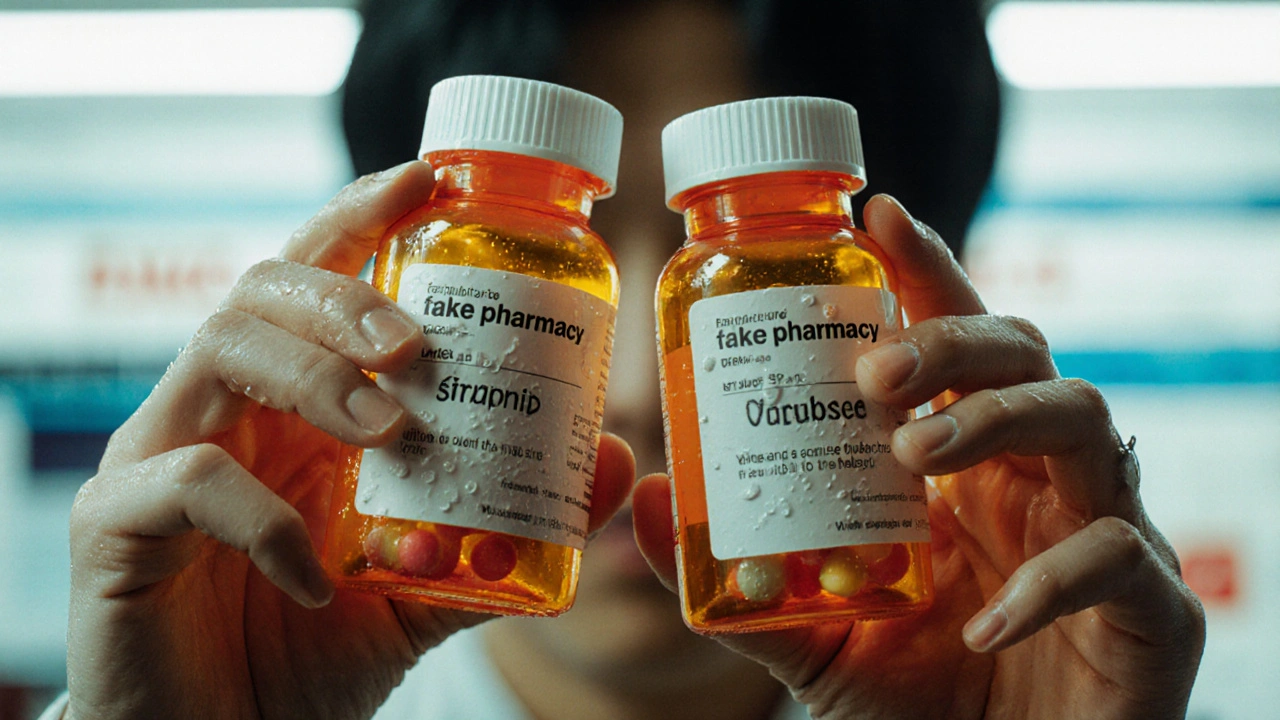
Learn how to spot counterfeit generics and avoid dangerous online pharmacy scams. Discover practical steps to verify your meds, identify fake websites, and protect your health from toxic fakes.