
Convergence Insufficiency: Symptoms, Causes, and Treatment Options
When your eyes struggle to turn inward properly to focus on something close—like a book or phone screen—you might be dealing with convergence insufficiency, a common binocular vision disorder where the eyes don’t coordinate well during near tasks. Also known as CI, it’s not just about blurry vision—it’s about your brain and eyes fighting to stay in sync. This isn’t rare. Studies show up to 1 in 5 people with reading difficulties have undiagnosed convergence insufficiency, especially teens and adults who spend hours on screens.
It’s not caused by weak eye muscles. It’s a brain control issue. Your eyes are fine, but the signals telling them to turn inward get delayed or mixed up. That’s why people with CI often report eye strain, headaches after reading, double vision, or words that seem to move on the page. You might squint, close one eye, or lose your place while reading. These aren’t laziness or attention problems—they’re physical symptoms of poor binocular vision, the ability of both eyes to work together as a team. And if left unaddressed, it can make studying, working, or even watching TV exhausting.
Thankfully, vision therapy, a structured program of eye exercises designed to improve how the eyes and brain coordinate is the most proven fix. Glasses alone rarely help unless they include prism lenses, and eye patches or surgery are almost never needed. Real improvement comes from consistent, guided exercises—like pencil push-ups or computer-based programs—that retrain your brain. It takes weeks, not days, but most people see clear results within 12 weeks.
What you won’t find in most drug ads or generic health sites? Real talk about how convergence insufficiency hides in plain sight. It’s misdiagnosed as ADHD, dyslexia, or just "bad eyesight." But if you’ve ever felt like your eyes are tired after reading just a few pages—or if your child avoids homework because their eyes hurt—this isn’t normal. It’s a treatable condition with clear, science-backed solutions. Below, you’ll find real-world guides on how to spot the signs, what tests doctors actually use, how therapy works in practice, and which over-the-counter tools help (or don’t). No fluff. Just what works.
Convergence Insufficiency Therapy: Effective Treatments for Binocular Vision Disorders
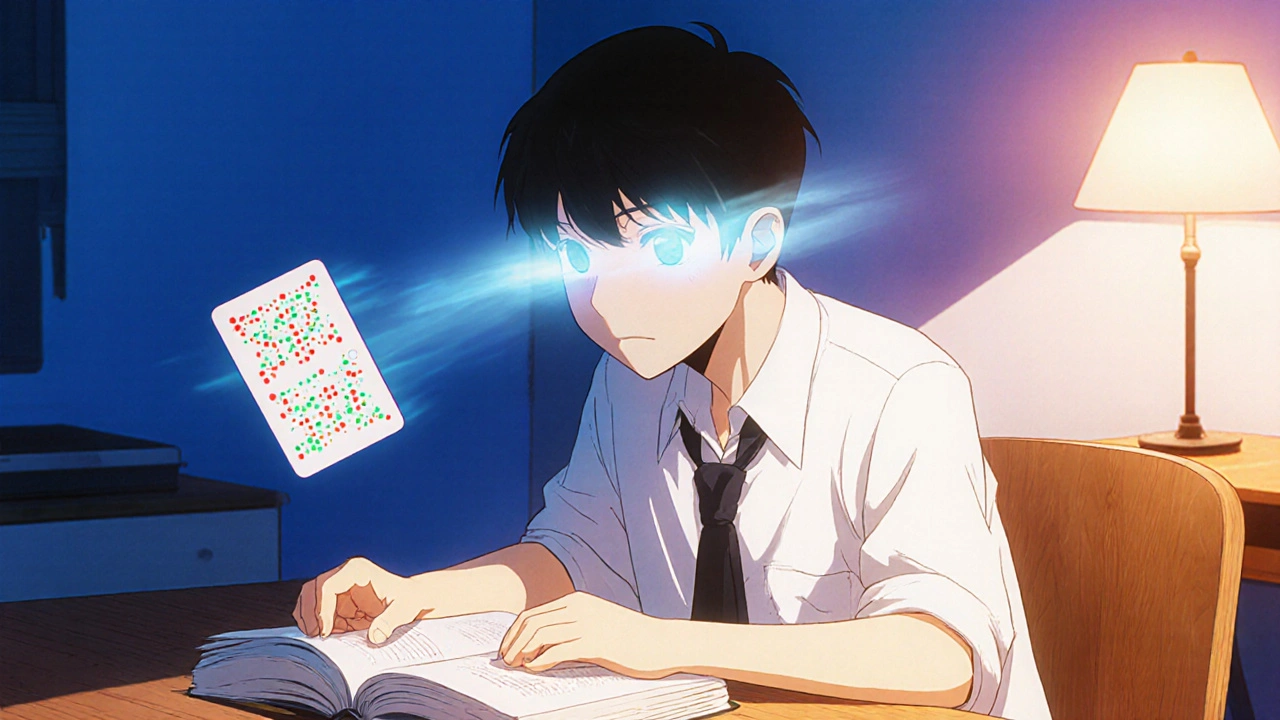
Convergence insufficiency causes eye strain and reading difficulties but is often missed. Learn how office-based vision therapy with home exercises is the most effective treatment, backed by science and real results.