
Binocular Vision Disorders: Causes, Symptoms, and What You Can Do
When your eyes don’t line up right, you’re not just seeing double—you’re fighting your own brain. Binocular vision disorders, a group of conditions where the eyes fail to work as a coordinated pair. Also known as eye teaming problems, they happen when the muscles or nerves controlling eye movement don’t sync up, making it hard for your brain to merge two images into one. This isn’t just about blurry sight. It’s about your whole visual system breaking down—leading to headaches, tired eyes, trouble reading, or even dizziness when you’re trying to focus.
One of the most common types is convergence insufficiency, when your eyes struggle to turn inward to focus on close objects like books or screens. Kids often get missed diagnoses because they don’t say they’re struggling—they just avoid reading or complain of headaches after homework. Adults working long hours on computers face the same issue, but blame it on screen fatigue. Then there’s strabismus, a visible misalignment where one eye turns in, out, up, or down. And double vision, the obvious symptom where one object looks like two. These aren’t just annoyances—they can wreck your focus, balance, and even confidence.
What makes this tricky is that standard eye exams often miss these problems. A 20/20 vision test doesn’t tell you if your eyes are working together. You need a specialist who checks eye tracking, depth perception, and how your eyes respond to near and far targets. Treatments range from simple vision therapy exercises to prism glasses, and in rare cases, surgery. The good news? Most people see real improvement with consistent, targeted training—no pills, no surgery needed.
What you’ll find below are real, practical guides on how these disorders show up, what’s behind them, and how to fix them without falling for gimmicks. From how screen time worsens eye teaming to what actually works in vision therapy, these posts cut through the noise and give you what matters.
Convergence Insufficiency Therapy: Effective Treatments for Binocular Vision Disorders
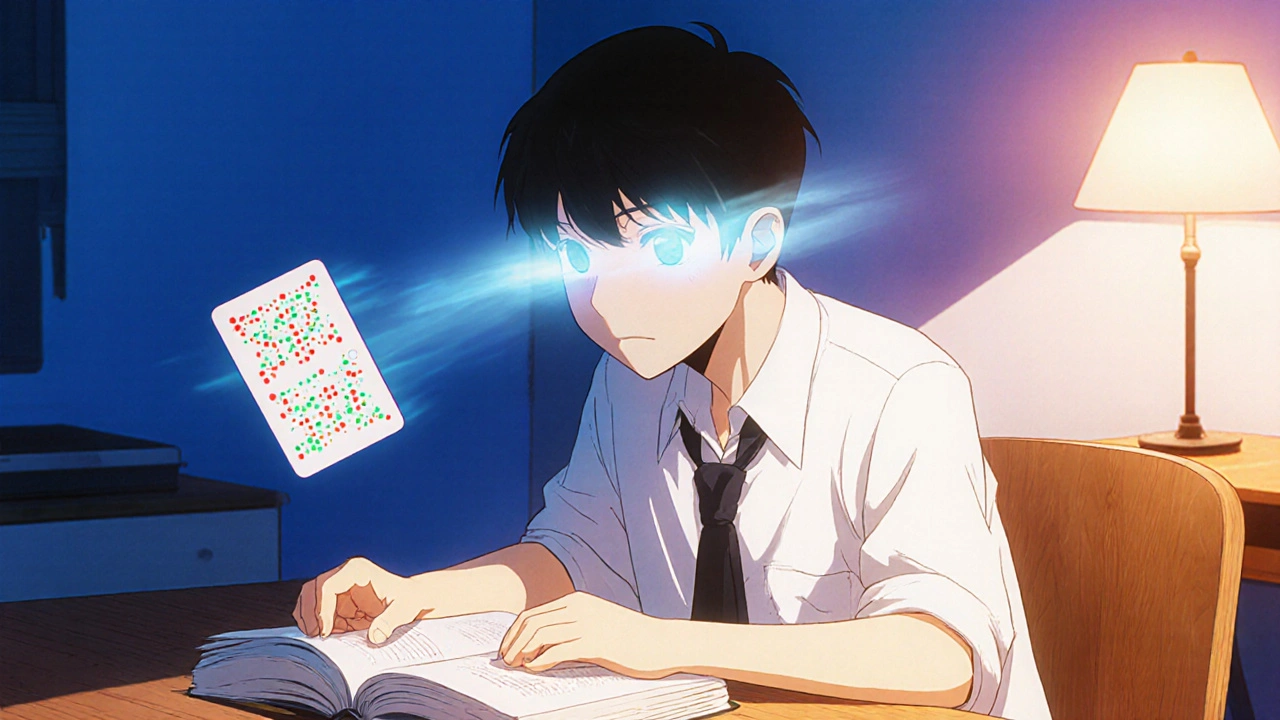
Convergence insufficiency causes eye strain and reading difficulties but is often missed. Learn how office-based vision therapy with home exercises is the most effective treatment, backed by science and real results.