

What Exactly Are Sleepwalking and Night Terrors?
When someone gets up in the middle of the night, walks around, or screams with their eyes wide open but doesn’t seem awake, it’s not a dream - it’s a parasomnia. Specifically, these are sleepwalking (somnambulism) and night terrors (sleep terrors), both classified as disorders of arousal from deep non-REM sleep. They’re not caused by stress alone, nor are they signs of mental illness. They’re neurological events tied to how the brain transitions between sleep stages.
Children are most affected. About 1 in 5 kids between ages 4 and 8 will sleepwalk at least once. Night terrors peak even earlier - around age 3 to 7. But adults aren’t immune. Around 1 to 4% of adults experience these episodes regularly. The big difference? Kids usually grow out of it. Adults who start sleepwalking or having night terrors for the first time need medical attention - it could signal something deeper, like sleep apnea or a neurological issue.
Here’s what happens during an episode: Your brain is stuck between deep sleep and waking up. Your body moves, your heart races to 120-140 beats per minute, you sweat, and you might scream or bolt upright. But you’re not dreaming. You’re not aware. And when it’s over, you have zero memory of it. That’s why people often think their child is having a nightmare - but nightmares happen in REM sleep, and the person remembers every detail. Night terrors? No recall. Ever.
Why This Isn’t Just a ‘Phase’ - The Real Risks
Many parents are told, “They’ll outgrow it.” And yes, 90% of childhood night terrors and 80% of sleepwalking cases fade by puberty. But waiting isn’t always safe.
One study from the Sleep Foundation found that 73% of families reported at least one injury during an episode. Most were minor - cuts from bumping into furniture, bruises from falling out of bed. But 8% had fractures. 5% had wandered outside in the middle of the night. One dad in Adelaide told me his 6-year-old opened the front door during a sleepwalking episode and walked into the backyard in freezing rain. He didn’t wake up until he was halfway to the neighbor’s fence.
Adults face different dangers. Driving while sleepwalking? It’s rare, but documented. Cooking? Yes. Some people have started stoves, loaded dishwashers, or even tried to drive their cars. One case in the Journal of Clinical Sleep Medicine described a man who built a wooden shed in his backyard during a series of sleepwalking episodes - and had no idea until his wife showed him photos.
The biggest risk isn’t just physical harm. It’s the toll on sleep. If you’re waking up three times a week to stop your child from climbing out the window, you’re not getting rest either. And that leads to irritability, poor focus, and even depression over time.
First Step: Safety Before Anything Else
Before you try therapy, medication, or sleep schedules - secure the environment. This isn’t optional. It’s non-negotiable.
- Lock doors and windows. Use simple, low-cost locks that can’t be opened from the inside. A $15 window lock can prevent a 100-meter walk into traffic.
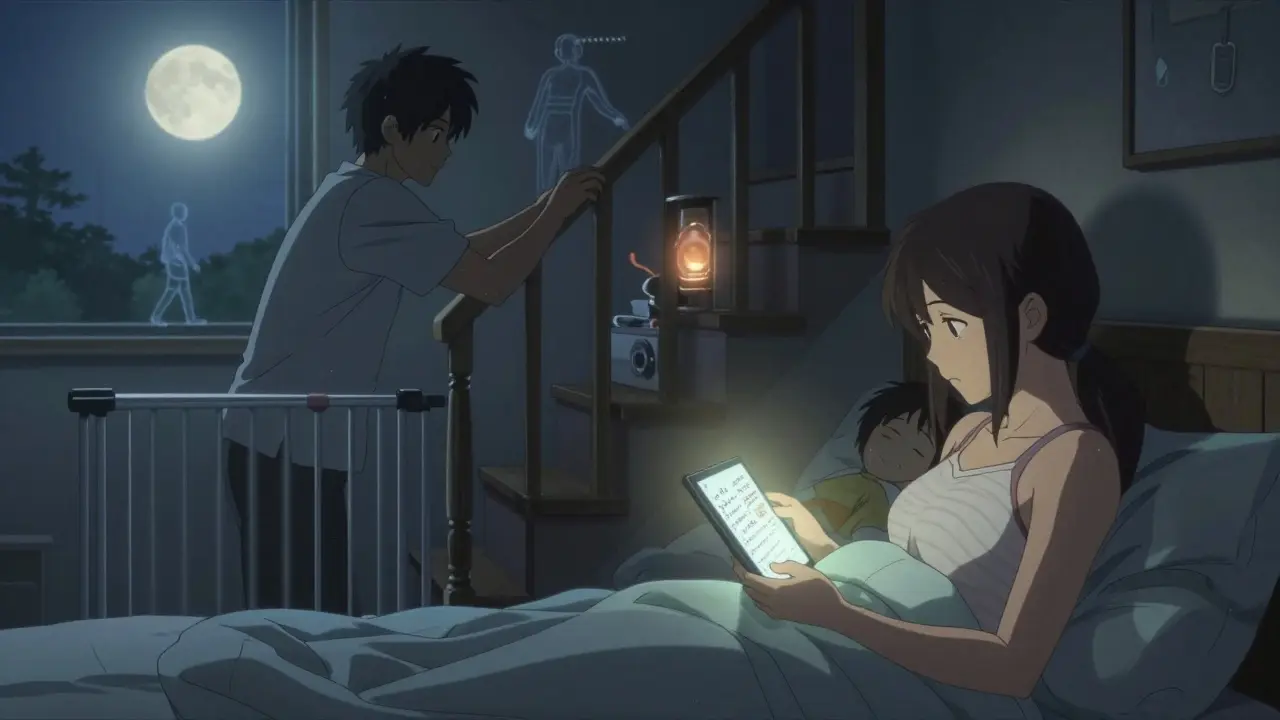
- Install door alarms. A $30 door sensor that beeps when opened is one of the most effective tools. One parent on Reddit said it gave her 30 seconds to reach her son before he reached the stairs.
- Remove hazards. Clear sharp objects, glass, and loose rugs within 10 feet of the bed. If your child sleepwalks, move the mattress to the floor. It reduces fall injuries by 75%.
- Block access to stairs. Use baby gates. Even if you think they’re too young to climb, they’ll surprise you.
- Keep keys and car fobs away. Yes, people have driven while asleep. It’s rare, but it’s happened.
These steps cost less than $100 and can prevent emergency rooms visits. No medication or therapy works if the person gets hurt before you can intervene.
Scheduled Awakenings: The Most Effective Trick for Sleepwalking
If your child sleepwalks at the same time every night - say, 1:15 a.m. - you can stop it before it starts. This is called scheduled awakening.
Here’s how it works:
- Watch for a pattern. Track episodes for two weeks. Note the exact time they usually happen.
- Wake your child 15 to 30 minutes before that time. Gently. Sit them up. Talk to them calmly. Let them stay awake for 5 minutes.
- Repeat this every night for 7 to 14 days.
Why does this work? Sleepwalking happens during the first deep sleep cycle, usually within the first 90 minutes after falling asleep. By waking them just before that cycle hits its peak, you reset the brain’s tendency to trigger the episode. Studies show this works in 70-80% of cases.
It’s not fun. You’re interrupting your own sleep. But it’s drug-free, safe, and often permanent. One mother in Melbourne used this for her 7-year-old. After 10 nights, the episodes stopped. Four years later, they haven’t returned.
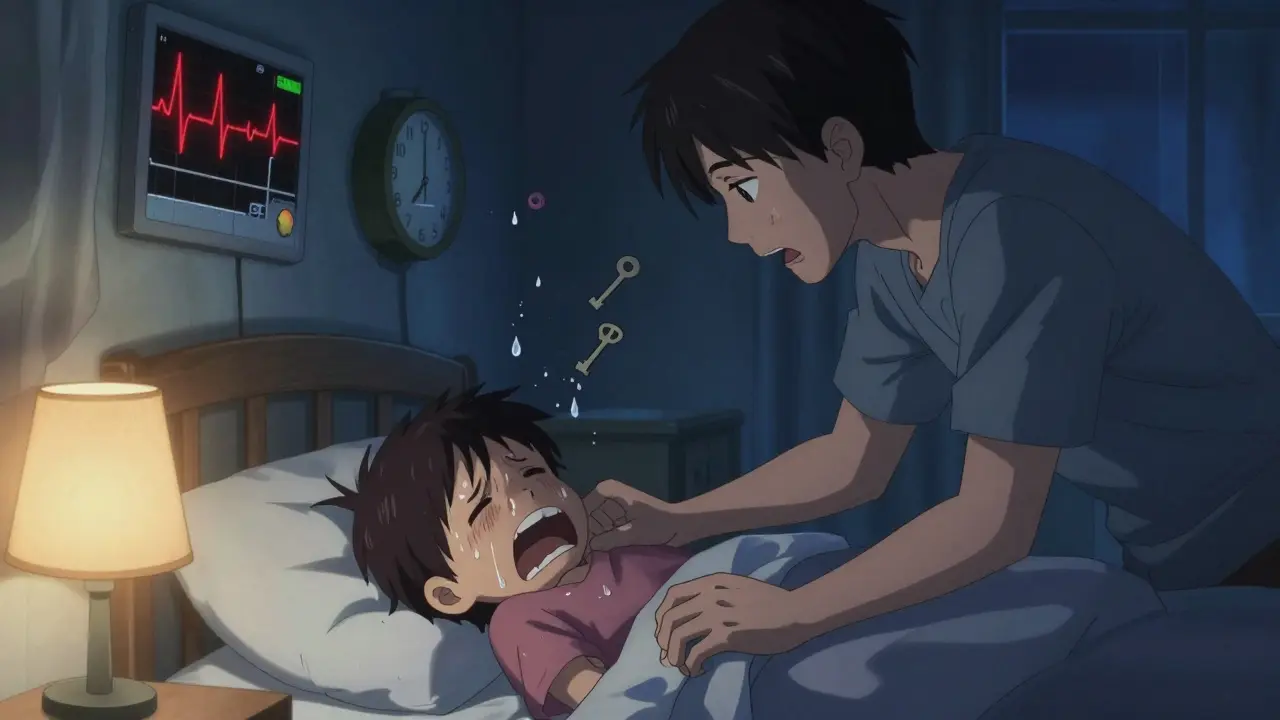
For Night Terrors: Sleep Extension and Calm Routines
Night terrors are harder to predict. They strike randomly, often right after bedtime. But research shows they’re tied to sleep deprivation and too much slow-wave sleep pressure.
The fix? Give the brain more sleep.
Dr. Carlos Schenck’s research found that adding just 30 to 60 minutes of extra sleep per night reduced night terror frequency by 65% in children. That means if your kid normally sleeps 9 hours, push it to 9.5 or 10. Don’t let them stay up late on weekends. Keep bedtimes consistent - even on holidays.
Pair that with a calm bedtime routine:
- Dim lights 30 minutes before bed.
- Read quietly. No screens.
- Keep the room cool - 60 to 67°F is ideal.
- Avoid caffeine, sugar, or heavy meals after 6 p.m.
One parent on the Kaiser Permanente forum said their child’s night terrors dropped from 5 times a week to once every two weeks after just two weeks of a strict 8 p.m. bedtime and no TV after 7 p.m.
When to See a Doctor - The Red Flags
Most cases don’t need a specialist. But watch for these warning signs:
- Adult-onset sleepwalking or night terrors. If you or your partner suddenly starts doing this after age 18, get checked. It could be linked to sleep apnea, PTSD, or even early Parkinson’s.
- Violent behavior. Kicking, punching, or yelling aggressively during episodes isn’t normal.
- Episodes happening daily. More than twice a week? Time to talk to a sleep specialist.
- Confusion lasting more than 15 minutes after waking. This isn’t just grogginess - it’s a sign the brain isn’t waking up properly.
- Sleep-related eating. Getting up and eating junk food without remembering it? That’s a separate but related disorder.
Doctors will likely recommend a sleep study (polysomnography) with video monitoring. It’s the only way to confirm it’s not REM sleep behavior disorder (RBD), which looks similar but happens in a different sleep stage and requires different treatment.
Medication: Only When Necessary
Medications aren’t the first choice - and for good reason.
Clonazepam (a benzodiazepine) works in 60-70% of severe cases. But it can cause drowsiness, dependence, and memory problems. It’s rarely used in kids and only for adults with frequent, dangerous episodes.
Melatonin is safer. It helps regulate sleep cycles and has shown 40-50% effectiveness in reducing night terrors. Doses are low - 1 to 3 mg, taken 30 minutes before bed.
Newer options are emerging. In 2022, the FDA approved Nightware, an Apple Watch app that detects rising heart rate before a night terror and gently vibrates to interrupt it. Early trials showed a 35% drop in episodes. It’s not a cure, but it’s a non-drug tool that’s gaining traction.
Bottom line: Medication should be a last resort. Behavioral fixes - sleep extension, scheduled awakenings, safety - work better and last longer.
What Doesn’t Work
Don’t waste time on these myths:
- Waking them during an episode. Trying to wake someone during a night terror usually makes it worse. They’ll panic, scream, or even hit you. Stay calm, stay nearby, and guide them gently back to bed.
- Therapy for trauma. Unless there’s a clear link to PTSD, therapy won’t stop a night terror. It’s not psychological - it’s neurological.
- Herbal remedies or essential oils. No evidence they work. Don’t risk safety for unproven fixes.
Long-Term Outlook: Hope Is Real
The good news? Most kids outgrow this. By age 15, 90% of sleepwalkers and night terror sufferers have no more episodes.
For adults, outcomes are more mixed - but still positive. Studies show 60-70% of adult cases respond well to combined behavioral strategies. One long-term study from the Wisconsin Sleep Cohort found that even people who had episodes for decades saw major improvement after implementing sleep extension and safety measures.
The key is consistency. Don’t give up after a week. Track episodes. Adjust sleep times. Keep the room safe. And remember - this isn’t your fault. It’s not bad parenting. It’s a brain glitch that can be managed.
What Comes Next
If you’re managing this at home, keep a simple sleep diary for 4-6 weeks. Note:
- Time of episode
- Duration
- Behavior (walking? screaming? eating?)
- Any possible triggers (late bedtimes, illness, stress)
This helps you spot patterns - and gives your doctor the data they need.
And if you’re still struggling after 2-3 months of safety and sleep hygiene? Find a sleep specialist. Not every doctor knows about parasomnias. But the ones who do can change your life.
Can sleepwalking and night terrors be cured?
In children, yes - most outgrow them by adolescence. In adults, they can be managed effectively with behavioral strategies like scheduled awakenings and sleep extension. While there’s no instant "cure," 80% of cases see major improvement with consistent, non-medical approaches.
Is it dangerous to wake someone during a night terror?
Yes, it can be. During a night terror, the person is not fully awake and may react with confusion, fear, or even aggression. Instead of waking them, stay nearby, speak softly, and gently guide them back to bed. Most episodes end on their own within a few minutes.
Do sleepwalkers remember anything?
Almost never. Over 95% of people who sleepwalk or have night terrors have no memory of the event. That’s because these episodes happen during deep non-REM sleep, not during dreaming. This is what makes them different from nightmares.
Can stress cause night terrors?
Stress doesn’t cause night terrors, but it can make them worse. Lack of sleep, irregular schedules, and illness are bigger triggers. Managing sleep hygiene - not reducing stress - is the most effective way to cut down episodes.
Should I use medication for my child’s sleepwalking?
No, not as a first step. Medications like clonazepam carry risks of dependency and side effects, especially in kids. Start with safety measures, scheduled awakenings, and consistent sleep routines. Medication is only considered if episodes are frequent, dangerous, and haven’t improved after 3 months of behavioral changes.
Are night terrors the same as sleepwalking?
They’re both types of parasomnias from deep sleep, but they look different. Night terrors involve screaming, heart racing, and fear - but no movement. Sleepwalking involves walking, talking, or doing complex tasks. Both happen in the first half of the night, and both come with no memory afterward.
How long do sleepwalking episodes last?
Typically 5 to 15 minutes. Most end on their own. The person usually returns to bed quietly and continues sleeping. If episodes last longer than 20 minutes or involve dangerous actions, consult a sleep specialist.
Can adults develop sleepwalking for the first time?
Yes. Adult-onset sleepwalking or night terrors are uncommon but significant. They often signal an underlying condition like sleep apnea, restless legs syndrome, or a neurological disorder. If an adult suddenly starts sleepwalking, they should see a sleep specialist for evaluation.
Diana Dougan
January 30, 2026 AT 15:09Bobbi Van Riet
January 31, 2026 AT 12:17Natasha Plebani
February 2, 2026 AT 08:59Eliana Botelho
February 3, 2026 AT 13:34Darren Gormley
February 5, 2026 AT 05:29Mike Rose
February 5, 2026 AT 23:48Sheila Garfield
February 6, 2026 AT 12:05Shawn Peck
February 7, 2026 AT 21:39Niamh Trihy
February 8, 2026 AT 10:34Sarah Blevins
February 9, 2026 AT 23:53Jason Xin
February 10, 2026 AT 00:18