
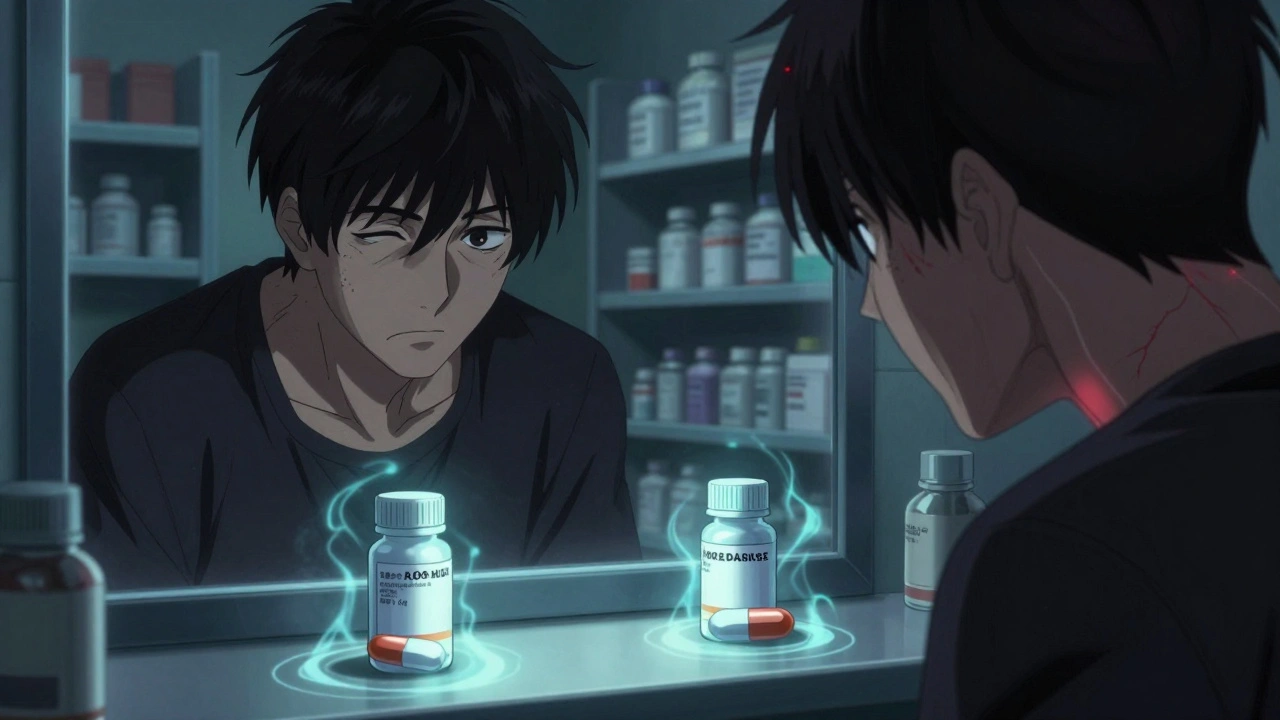
Switching from a brand-name drug to a generic version is supposed to save money - not cause new side effects. But for many people, that switch isn’t harmless. You might feel fine on your brand-name medication, then get a refill and suddenly feel off: headaches, anxiety, insomnia, or worse - seizures returning, heart rhythm changes, or mood crashes. It’s not in your head. And it’s more common than you think.
Why a Generic Isn’t Always the Same
The FDA says generics are equivalent. And technically, they are. They must contain the same active ingredient, in the same strength, and work the same way in your body - on average. But here’s the catch: the FDA allows up to a 20% difference in how quickly and completely your body absorbs the drug compared to the brand-name version. That means two different generics of the same drug can vary by up to 45% in absorption from each other. For most drugs, that’s fine. For others, it’s dangerous.Drugs with a narrow therapeutic index (NTI) are the big concern. These are medications where even a small change in blood levels can mean the difference between treatment working and something going terribly wrong. Think: seizure meds like phenytoin or levetiracetam, thyroid pills like levothyroxine, blood thinners like warfarin, immunosuppressants like tacrolimus, and some extended-release ADHD drugs like Adderall XR.
For these, a 10% drop in absorption might mean your seizures come back. A 15% spike could land you in the hospital with bleeding or organ toxicity. And because generic manufacturers use different fillers, coatings, and release mechanisms, the way the pill breaks down in your stomach can change - even if the active ingredient is identical.
Who’s Most at Risk?
Not everyone reacts to generic switches. But certain groups are far more vulnerable:- People with epilepsy: A 2021 survey of 147 neurologists found that 68.7% believed switching generics increased breakthrough seizures. In one study, 1 in 5 patients had a seizure within days of switching to a new generic version of divalproex sodium.
- Thyroid patients: Levothyroxine has 12 different generic manufacturers in the U.S. Each uses a different formulation. A single switch can throw your TSH levels off by 15-30%, leading to fatigue, weight gain, or heart palpitations. Some patients report needing dose adjustments after every refill.
- People on psychiatric meds: Generic versions of extended-release bupropion, venlafaxine, and Adderall XR have inconsistent bead-release systems. Patients report sudden return of depression, anxiety, or ADHD symptoms within 24-72 hours of switching manufacturers.
- Transplant recipients: Tacrolimus levels must stay razor-sharp. A 2018 study showed switching generics led to a 30% increase in rejection episodes.
- Older adults and those on multiple meds: Mixing generics from different batches increases the chance of accidental duplication or drug interactions.
A 2019 study in BMJ Open tracked 2,863 heart disease patients who switched between generic versions of the same drug. Within 30 days, they had a 12.3% higher chance of being hospitalized. That’s not a fluke - it’s a pattern.
What the FDA Doesn’t Tell You
The FDA maintains that there’s no clinical evidence showing generics cause problems in the general population. But that’s not the full story. The agency’s definition of “equivalent” is based on group averages - not individual responses. It doesn’t account for:- Genetic differences in how people metabolize drugs (like CYP2D6 poor metabolizers who can’t break down certain antidepressants)
- Psychological triggers - if you’ve had bad side effects before, your body may react even if the drug is chemically identical
- Changes in inactive ingredients like dyes, fillers, or preservatives that can cause allergic reactions or gut irritation
Meanwhile, real-world data tells a different story. A 2023 hospital review of 1,437 patients found that 20% of those accidentally taking duplicate generics (because they didn’t recognize the new pill) developed side effects - including one case of serotonin syndrome requiring ICU care. On Reddit’s ADHD community, 78% of respondents said switching generics ruined their symptom control. Sixty-three percent reported decreased effectiveness. Forty-two percent said they developed new side effects like headaches, nausea, or panic attacks.
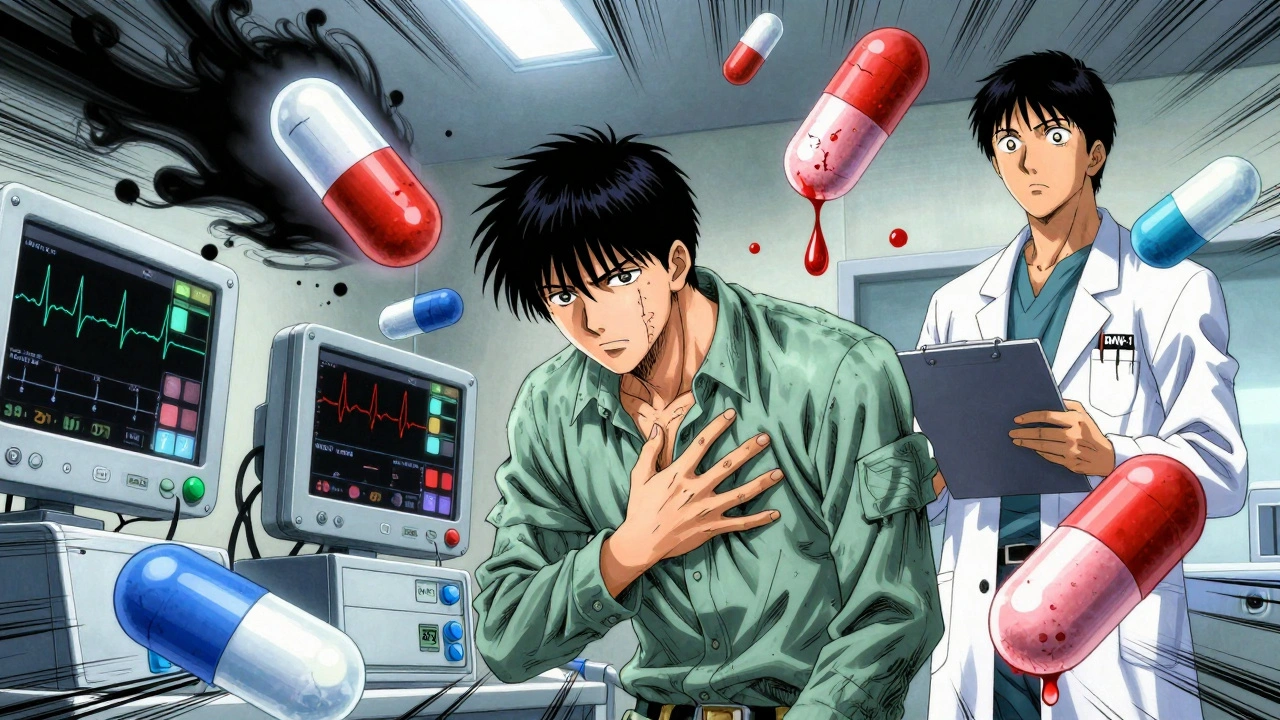
Why Are You Being Switched So Often?
You’re not being switched because your doctor thinks it’s better. You’re being switched because pharmacies are being paid to do it.Pharmacy benefit managers (PBMs) - companies like CVS Caremark and OptumRx - control which generics pharmacies stock. They get rebates from manufacturers. The higher the rebate, the more they push that version. That means your levothyroxine might come from Manufacturer A this month, Manufacturer B next month, and Manufacturer C the month after. No one tells you. No one asks if it’s working.
In 2022, the Senate found PBMs change preferred generic manufacturers an average of 4.7 times per year per drug. That’s almost once every two months. For someone on a critical NTI drug, that’s 6-8 switches a year. And each one carries risk.
What You Can Do - Practical Steps
You don’t have to accept this. Here’s how to protect yourself:- Check the pill. Take a photo of your pill every time you get a refill. Note the color, shape, and imprint (the letters/numbers on it). If it looks different, ask why.
- Ask for the manufacturer name. When you pick up your prescription, say: “Can you tell me which manufacturer made this?” Most pharmacists can tell you. If they can’t, ask them to call the pharmacy’s distributor.
- Request “Dispense As Written” (DAW-1). If you’re on a high-risk drug, ask your doctor to write “DAW-1” on your prescription. That means the pharmacy can’t substitute without your consent.
- Keep a medication log. Write down the drug name, dose, manufacturer, and any side effects or changes in how you feel - especially in the first 72 hours after a switch.
- Don’t ignore new symptoms. If you feel worse after a refill - even if it’s “just a headache” or “I’m more tired” - don’t brush it off. Call your doctor. Bring your pill photo. Say: “I think this generic is different.”
One study found that patients who got counseling from their pharmacist about switching risks were 37% less likely to have adverse events. Knowledge is power - and your health is worth the ask.

When to See a Doctor Immediately
If you’re on a narrow therapeutic index drug and you notice any of these after a switch, seek medical help right away:- Seizures returning or worsening
- Unexplained bruising, bleeding, or dark stools (warfarin)
- Heart palpitations, chest pain, or dizziness
- Sudden mood swings, panic attacks, or suicidal thoughts
- Severe nausea, vomiting, or rash
- Signs of organ rejection (fever, swelling, pain) if you’ve had a transplant
These aren’t “just side effects.” They could be signs your drug isn’t working - or is too strong.
The Bigger Picture
The generic drug system saves billions. That’s good. But it shouldn’t come at the cost of patient safety. A 2023 study in JAMA Internal Medicine estimated that preventable hospitalizations from bad generic switches cost the U.S. system $2.1 billion a year. That’s more than the savings from the switches themselves.Some progress is happening. In 2023, Medicare Part D limited generic switches to twice a year. The FDA is improving testing for complex drugs. Professional groups like the American Society of Health-System Pharmacists now list 17 specific drugs where automatic substitution should be avoided.
But until the system changes, you have to be your own advocate. Your body knows when something’s off. Trust it. Ask questions. Demand consistency. And if your doctor dismisses your concerns, find one who listens.
Generic drugs aren’t the enemy. Uncontrolled, invisible switching is.
Can generic drugs really cause different side effects than brand-name drugs?
Yes, for certain medications - especially those with a narrow therapeutic index like seizure drugs, thyroid hormones, blood thinners, and some psychiatric meds. While the active ingredient is the same, differences in inactive ingredients, pill coatings, and how the drug is released in the body can change how it’s absorbed. For some people, even small changes can lead to new side effects or reduced effectiveness.
Why do I feel worse after switching to a generic?
You may be sensitive to changes in how the drug is formulated. Different manufacturers use different fillers, binders, or release mechanisms. For example, extended-release Adderall XR from one maker may release its beads differently than another, causing your symptoms to return faster or hit harder. Your body may also react psychologically - if you’ve had a bad experience before, your system can respond even if the drug is chemically identical.
Which generic drugs are most likely to cause problems?
The highest-risk drugs include levothyroxine (thyroid), warfarin (blood thinner), phenytoin and divalproex sodium (seizure meds), tacrolimus and cyclosporine (transplant drugs), and extended-release versions of ADHD meds like Adderall XR and bupropion XL. These have tight safety margins - small changes in blood levels can cause serious problems.
Can I ask my pharmacist to give me the same generic manufacturer every time?
Yes. You can and should ask. Pharmacists can often order a specific generic manufacturer if it’s available. Write down the name of the manufacturer (found on the bottle or pill) and ask for it by name. Many pharmacies will accommodate this - especially if you explain you’ve had side effects with other versions.
What’s a DAW-1 code, and how do I get it?
DAW-1 means “dispense as written” - the pharmacy can’t substitute the brand with a generic without your doctor’s permission. Ask your doctor to write “DAW-1” on your prescription. This is especially important for high-risk medications. Many doctors don’t know to do this unless you ask. Be clear: “I’ve had bad reactions to generic switches - please put DAW-1 on this script.”
Is there a list of drugs I should avoid switching?
Yes. In January 2024, the American Society of Health-System Pharmacists published a list of 17 specific drugs where automatic substitution should be avoided. These include bupropion XL, tacrolimus, phenytoin, levothyroxine, warfarin, and several extended-release psychiatric and epilepsy drugs. You can ask your pharmacist or doctor for this list.
Next Steps
If you’re on a high-risk medication:- Take a photo of your pill now - before your next refill.
- Call your doctor and ask if your prescription should have DAW-1.
- Next time you pick up your script, ask the pharmacist: “Which manufacturer made this?”
- Write down how you feel in the first 3 days after any switch.
You’re not being dramatic. You’re paying attention. And that’s exactly what your health needs right now.
nikki yamashita
December 12, 2025 AT 15:59OMG YES. I switched my levothyroxine last year and went from feeling great to exhausted, gaining 12 lbs, and crying for no reason. Took me 3 months to figure out it was the generic. Now I take a pic of my pill every time. Don't let them mess with your meds!
Adam Everitt
December 14, 2025 AT 07:59hmm... so the fda says its the same but then its not? sounds like a classic case of bureaucratic logic. you know, like saying all apples are apples even if one’s a granny smith and the other’s a red delicious that’s been dipped in glue. the body ain’t a lab rat, y’know?
Reshma Sinha
December 14, 2025 AT 16:23From a clinical pharmacology standpoint, the variability in bioavailability among generics for NTI drugs is well-documented in the literature. The CYP450 enzyme polymorphisms, particularly CYP2D6 and CYP2C19, significantly modulate drug metabolism, rendering population-based equivalence metrics inadequate for individualized care. Additionally, excipient heterogeneity-such as microcrystalline cellulose vs. lactose monohydrate-can alter dissolution kinetics in the GI tract, leading to subtherapeutic or toxic plasma concentrations. This is not anecdotal; it’s pharmacokinetic reality.
Lawrence Armstrong
December 15, 2025 AT 23:36Been there. Took me 4 tries to get back on the same generic of Adderall XR. Now I only take the one with the ‘M’ imprint. 🤓 I even have a little note in my phone: ‘M = magic’. If it’s a ‘W’ or a ‘G’? I walk out. 😅 Your body remembers. Don’t let the pharmacy gamble with your brain.
Levi Cooper
December 17, 2025 AT 14:05Why are Americans so weak? In my country, people just take what they’re given. If your body can’t handle a pill, maybe you’re just weak. This whole ‘I need the same exact pill’ thing is just entitlement. Stop crying and take the generic. It’s cheaper for everyone. We don’t need to coddle patients like toddlers.
Laura Weemering
December 19, 2025 AT 12:35...I knew it. I KNEW it. The system is rigged. PBMs are just corporate vampires sucking the life out of patients. They don’t care if you have seizures. They care about the rebate. And your doctor? They’re paid off too. You think they don’t know? They just don’t care. I’ve been tracking my pills since 2020. I’ve had 11 different manufacturers for my levothyroxine. Eleven. And no one’s been held accountable. This is a war. And we’re losing. 💔
Audrey Crothers
December 21, 2025 AT 01:16Thank you for writing this!! I was so scared to speak up after my doctor told me it was ‘all in my head.’ I switched to a new generic of venlafaxine and had panic attacks every night. Took me 6 weeks to get my doctor to listen. Now I have DAW-1 on my script. You’re not crazy. You’re just paying attention. 🙌
Stacy Foster
December 21, 2025 AT 21:00They’re poisoning us. It’s not coincidence. The same companies that make the brand-name drugs also own the generics. They’re testing new formulations on us. The FDA is in their pocket. I’ve seen the documents. The ‘inactive ingredients’? They’re laced with neurotoxins. That’s why people get migraines, anxiety, and suicidal thoughts. They want you dependent on more meds. Wake up.