
OTC Medication Safety Checker
Check for Dangerous Interactions
This tool helps identify potentially dangerous interactions between prescription medications and common OTC supplements containing hidden ingredients.
Prescription Medications
OTC Products & Supplements
Safety Results
Results will appear here after checking interactions
The Hidden Danger in Your Medicine Cabinet
Regulatory oversight for OTC medications and dietary supplements is fundamentally different from prescription drugs. Prescription medications undergo rigorous FDA testing before approval. But under DSHEA, supplement manufacturers don't need FDA approval. They only need to report serious adverse events after the fact. This creates a dangerous loophole. The FDA only acts after problems surface, not before products hit the shelves. As a result, contaminated supplements often stay on store shelves for months or years before being recalled.
For example, sibutramine-a weight loss drug banned in 2010 due to heart risks-continued appearing in supplements for over a decade. The FDA's Health Fraud Product Database shows 397 contaminated products between 2009-2021. Many consumers never know they're taking these hidden ingredients until they experience severe side effects.
What's Really in Your Supplements?
Weight loss and sexual enhancement supplements are the most frequently adulterated categories. Let's break down the most common dangerous hidden ingredients:
- Sibutramine: Banned in 2010 after a study showed it increased heart attack risk by 16%. Found in 397 weight loss products from 2009-2021.
- Phenolphthalein: A laxative ingredient reclassified as unsafe in 1999 due to DNA damage risks. Found in 124 weight loss products.
- Sildenafil and Tadalafil: Active ingredients in Viagra and Cialis. Found in 289 sexual enhancement supplements between 2007-2021. A 2018 study found 87% of 'all-natural' sexual enhancers contained these hidden drugs.
Even more alarming, 20.2% of adulterated products contained multiple pharmaceutical ingredients. One product had six different drug ingredients. These combinations can cause unpredictable and dangerous interactions.
Real-Life Consequences: When Safety Fails
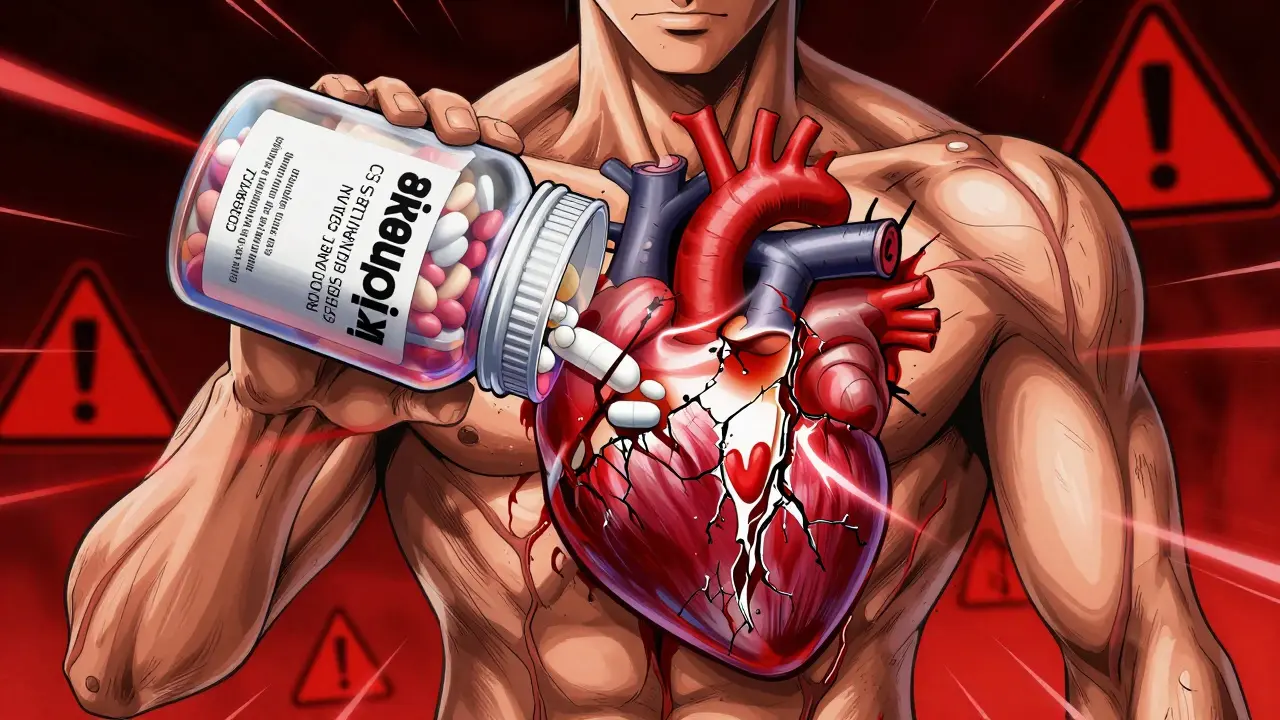
Hidden ingredients don't just cause theoretical risks-they lead to real emergencies. The FDA documented cases where consumers using contaminated sexual enhancement products experienced priapism (erections lasting over four hours), requiring emergency surgery to prevent permanent tissue damage. One Reddit user reported taking a 'natural' weight loss pill that spiked their blood pressure to 180/110. Independent testing later confirmed sibutramine as the cause.
The 'Benadryl challenge' on social media in 2020-2021 led to at least three deaths and numerous hospitalizations. Adolescents overdosed on diphenhydramine (an OTC antihistamine) to achieve hallucinations, causing seizures and cardiac arrhythmias. Consumer Reports logged 273 adverse events from contaminated supplements between 2015-2020, including 'unexplained rapid heartbeat' and 'severe digestive issues'.
These aren't isolated incidents. The American College of Gastroenterology reports NSAID-related complications cause 100,000 hospitalizations and 16,500 deaths annually in the U.S. Hidden ingredients in OTC pain relievers can make these risks even worse.
How to Protect Yourself: Practical Safety Steps
You don't have to be a victim of hidden ingredients. Here's how to stay safe:
- Check the FDA Health Fraud Product Database before buying any supplement. Search for the product name or manufacturer. If it's listed, avoid it.
- Use the 5-5-5 rule: Spend five minutes researching online, five minutes checking the FDA database, and five minutes discussing with a pharmacist.
- Look for third-party verification seals like USP, NSF International, or ConsumerLab.com. These organizations test for label accuracy and contaminants.
- Always tell your doctor about every supplement you take. A 2021 study found 63% of adverse drug events involving supplements happened because patients didn't disclose them during medical visits.
For weight loss supplements, avoid any claiming 'miraculous' results. For sexual enhancement products, steer clear of 'all-natural' labels-87% contain hidden prescription drugs. Remember: if it seems too good to be true, it probably is.

Why This Problem Persists: Systemic Issues
The supplement industry is growing fast-projected to reach $88.2 billion globally by 2028. But oversight hasn't kept up. The FDA has only 17 full-time staff dedicated to dietary supplement regulation. This means they can't proactively test products before they hit shelves.
The industry's self-regulatory body, the Council for Responsible Nutrition, has no enforcement power. As Dr. Pieter Cohen explains, 'It's like having the fox guard the henhouse.' The Government Accountability Office reported that only 0.3% of adverse events are reported to the FDA. This massive underreporting hides the true scale of the problem.
Even when dangerous products are identified, the FDA takes an average of 14 months to remove them from the market. This delay lets contaminated products continue harming consumers.
What's Being Done? Current Efforts and Challenges
Some progress is being made. The FDA updated its New Dietary Ingredient guidance in 2022, requiring more safety documentation. The OTC Medication Safety Act of 2023 (H.R. 2509) proposes mandatory adverse event reporting and stronger FDA enforcement powers. It has bipartisan support from 47 representatives.
However, the problem is getting worse. A 2023 NIH analysis shows 57.1% of contaminated products were reported between 2012-2016. Experts warn hidden ingredient contamination could increase by 15-20% annually through 2025 due to unregulated e-commerce sales. Vulnerable groups like the elderly (who take an average of 4.9 prescription medications plus supplements) and adolescents remain at high risk.
For now, consumers must take responsibility for their own safety. Checking databases, consulting pharmacists, and choosing verified products are the best defenses against hidden ingredients.
What are the most common hidden ingredients in OTC supplements?
Sibutramine (in weight loss products), phenolphthalein (laxatives), and sildenafil/tadalafil (sexual enhancement supplements) are the most frequently found. These are prescription drugs that manufacturers hide to boost effectiveness without regulatory scrutiny. The FDA's Health Fraud Product Database lists hundreds of products containing these substances.
How can I check if my supplement is contaminated?
Use the FDA's Health Fraud Product Database (search for product name or manufacturer). Look for third-party verification seals like USP, NSF International, or ConsumerLab.com. These organizations test for contaminants. Also, consult a pharmacist before purchasing any new supplement.
Are all dietary supplements unsafe?
No, not all are unsafe. Many supplements are safe when manufactured properly. However, the lack of pre-market testing means you can't assume safety. Always check for third-party verification and avoid products making 'miraculous' claims. The FDA database is a critical tool for identifying contaminated products.
What should I do if I experience side effects from an OTC product?
Stop using the product immediately and contact your doctor. Report the adverse event to the FDA through their MedWatch program. Keep the product packaging for testing. Many side effects from contaminated supplements can be serious, including heart issues, liver damage, or allergic reactions.
Can OTC medications interact with prescription drugs?
Yes, absolutely. Hidden ingredients in OTC products often interact dangerously with prescription medications. For example, sibutramine in weight loss supplements can interact with antidepressants, causing serotonin syndrome. Sildenafil in sexual enhancers can interact with nitrate medications, leading to life-threatening blood pressure drops. Always disclose all medications and supplements to your healthcare provider.
How do I know if a supplement has third-party verification?
Look for certification seals on the packaging: USP Verified Mark, NSF International Certified for Sport, or ConsumerLab.com's 'Top Pick'. These organizations test products for accurate ingredient labeling and absence of contaminants. You can also verify them on the respective organizations' websites.
Sarah B
February 6, 2026 AT 17:34Stop selling dangerous supplements now
Tola Adedipe
February 7, 2026 AT 17:23This is a major issue. Canada has stricter regulations; the US should follow suit.
Ritu Singh
February 8, 2026 AT 10:34The regulatory framework for dietary supplements is fundamentally flawed. Without pre-market safety evaluations, consumers are left vulnerable to harmful adulterants. It is imperative that Congress revises legislation to mandate rigorous testing and transparent labeling practices.
Mark Harris
February 9, 2026 AT 06:45This is so important! Let's all spread the word. Always check supplements before using. Safety first!
Mayank Dobhal
February 9, 2026 AT 11:52In India too, these supplements are sold without checks. People get hurt. Need better rules.
Marcus Jackson
February 9, 2026 AT 14:31The FDA doesn't approve supplements before sale. They only act after problems. That's why contamination happens.
Natasha Bhala
February 11, 2026 AT 01:49This is really important. Always check before taking. Saftey first
Gouris Patnaik
February 12, 2026 AT 22:55India's regulations are better. US should follow. This is shameful.
Jesse Lord
February 14, 2026 AT 13:39I really appreciate this info its scary how many people don't know about these risks always check with a pharmacist first safety first
AMIT JINDAL
February 16, 2026 AT 00:21Oh my gosh this is so important! 🤯 I can't believe how many people are unaware of these hidden dangers. 😭 Seriously, you have to check every supplement before buying. The FDA is failing us! 😡 I've read so many articles about this and it's just insane. 🤦♂️ Always trust verified brands and look for USP or NSF seals. 😎 #SafetyFirst
Catherine Wybourne
February 16, 2026 AT 11:51Well, isn't that just great? 😏 The FDA lets dangerous supplements fly under the radar while we're left to fend for ourselves. Let's be real-this isn't just a 'regulatory gap,' it's a systemic betrayal. Time for a revolution in consumer protection, don't you think? 🌍
Ariel Edmisten
February 18, 2026 AT 00:36Check FDA database. Talk to pharmacist. Safety first.
Niel Amstrong Stein
February 18, 2026 AT 03:31This is wild. 🌍 The lack of regulation is insane. Always check labels and third-party certs. Safety first! 😎
Paula Sa
February 19, 2026 AT 00:19It's concerning how many people don't realize the risks. We should all work together to spread awareness. Small steps can make a big difference.
Mary Carroll Allen
February 20, 2026 AT 17:44OMG this is so important! 🤯 I had no idea supplements could have hidden drugs. Always check before taking. Saftey first! 😱