
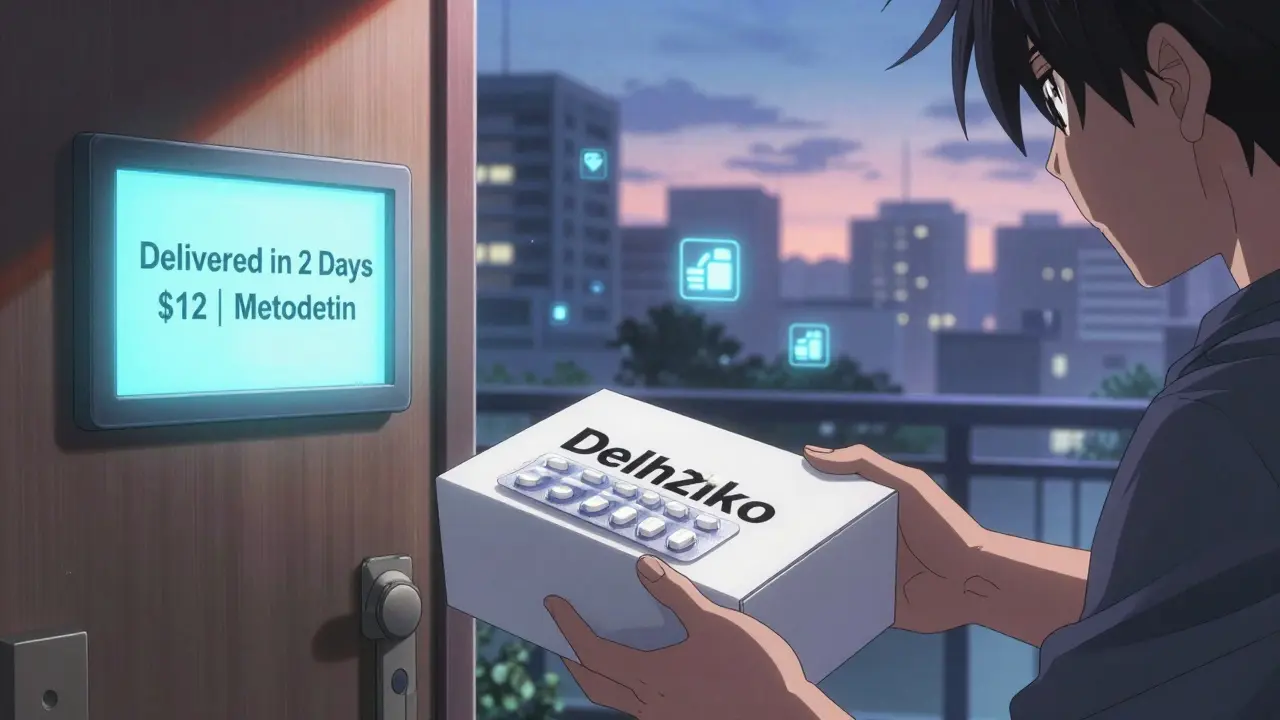
For years, getting your generic meds meant driving to a pharmacy, waiting in line, and paying whatever price the system handed you. But that’s changing. Starting in 2024 and accelerating fast in 2025, a new wave of direct-to-consumer generic pharmacies is cutting out the middlemen-and saving people real money. You don’t need a PBM, a retail pharmacy, or even a long wait for a refill. You order online, get it delivered in 2-4 days, and pay less than half of what you’d pay at your local CVS or Walgreens.
How DTC Generic Pharmacies Actually Work
It’s simpler than it sounds. Companies like Ro, Hims & Hers, and Honeybee Health let you pick a generic medication-say, metformin for diabetes or lisinopril for blood pressure-directly from their website. You answer a few health questions, connect with a licensed provider for a virtual consult, and if approved, your prescription is sent electronically to their in-house pharmacy. The meds ship straight to your door. No insurance needed. No co-pays. Just transparent pricing.
These aren’t just websites that resell drugs. They’ve built full-stack systems: telehealth, e-prescribing, inventory control, and logistics-all under one roof. Ro processed over 2.1 million prescription orders in Q1 2025 alone, mostly generics. Their average savings? 30-50% off traditional pharmacy prices. For someone taking three monthly generics, that’s $150-$250 saved a year.
Why This Model Is Different From Old-School Pharmacies
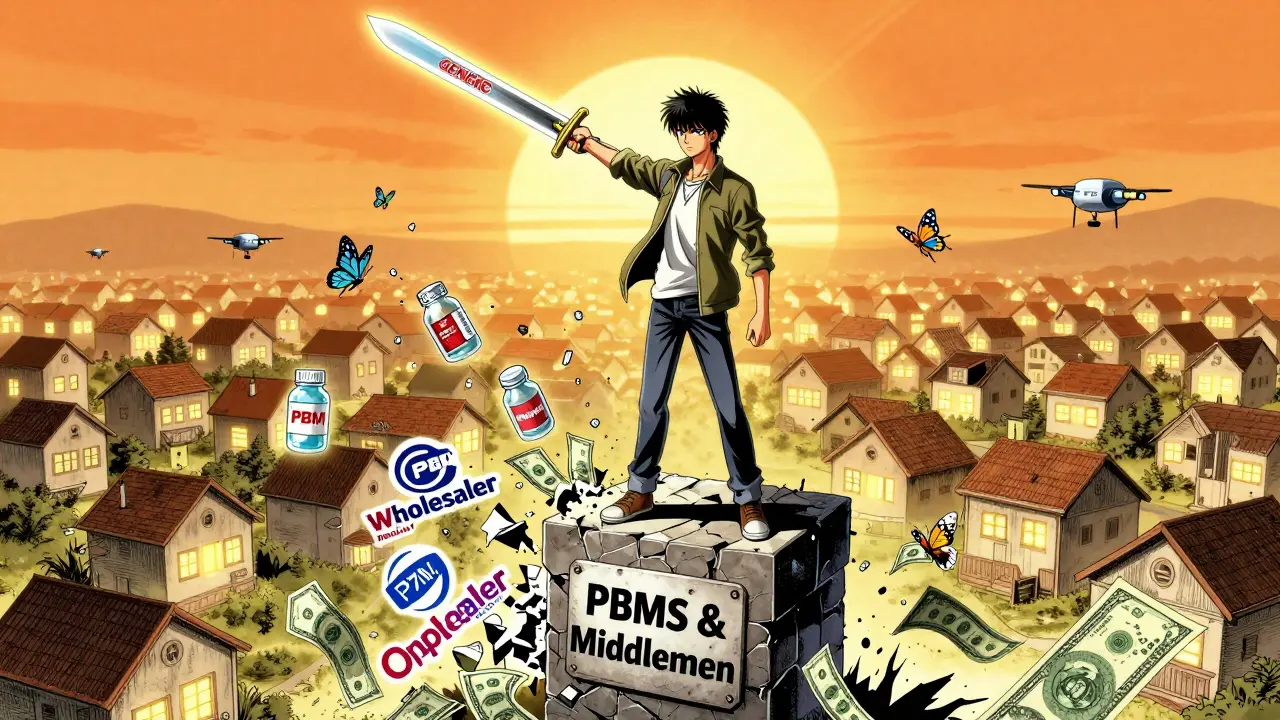
Traditional pharmacy chains rely on a tangled chain: drugmaker → wholesaler → PBM → retail pharmacy → patient. Each step adds cost. PBMs, for example, negotiated rebates with drugmakers that rarely made it to you. In 2024, the top three PBMs made $28 billion in gross profit-not from helping patients, but from hiding price differences.
DTC generic pharmacies cut that chain. They buy generics in bulk directly from manufacturers, bypassing PBMs and wholesalers entirely. That’s how they can offer $5/month for metformin or $10 for atorvastatin. No surprise fees. No hidden markups. You see the price upfront. And because they’re digital-first, they don’t need expensive brick-and-mortar stores, which cuts overhead even more.
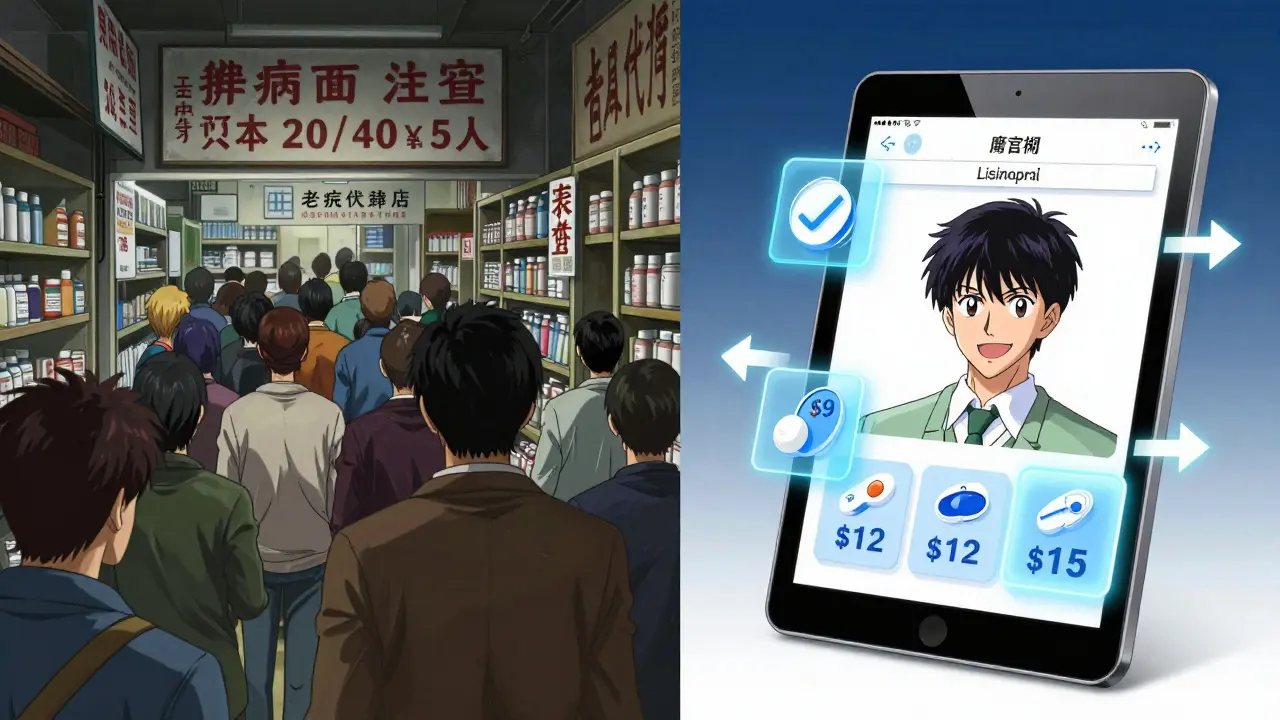
Compare that to the old way: You show up at the pharmacy, hand over your insurance card, wait 15 minutes, and pay $45 for the same pill. The difference isn’t just price-it’s dignity. You’re not being shuffled through a system designed to profit off confusion.
Who’s Leading the Pack? (And Who’s Not)
Not all DTC pharmacies are the same. The leaders are focused on generics and cash-pay customers:
- Ro: Best for chronic condition meds. Offers 40+ generics. Fast delivery. Strong app. 3.9/5 on Trustpilot.
- Hims & Hers: Strong in mental health and sexual health generics. Easy refills. 3.8/5 rating.
- Honeybee Health: Known for steep discounts on high-cost generics like insulin and asthma inhalers. Delivery can be slower.
Meanwhile, big pharma companies like Eli Lilly and Pfizer are launching their own DTC platforms-but they’re focused on expensive brand-name drugs like Ozempic or Viagra. These aren’t competing with Ro or Honeybee. They’re creating parallel systems for high-margin products. For generic users, the real action is still with the digital-first players.
Real Savings: What You Can Actually Save
Let’s look at real numbers from Q3 2025 data:
| Medication | Traditional Pharmacy (Cash Price) | DTC Platform (Avg. Price) | Savings |
|---|---|---|---|
| Metformin 500mg, 90 tablets | $42 | $12 | 71% |
| Lisinopril 10mg, 90 tablets | $38 | $9 | 76% |
| Atorvastatin 20mg, 90 tablets | $55 | $15 | 73% |
| Levothyroxine 50mcg, 90 tablets | $48 | $14 | 71% |
| Sertraline 50mg, 90 tablets | $52 | $16 | 69% |
That’s not a gimmick. It’s the math of cutting out intermediaries. For people on high-deductible plans or no insurance, this isn’t a convenience-it’s survival. A survey by Drug Channels found 73% of users with chronic conditions took their meds more regularly after switching to DTC pharmacies. Why? Because they could afford them.
The Hidden Downsides (And What You Need to Watch For)
It’s not perfect. There are trade-offs.
First, limited selection. DTC platforms typically carry 50-100 generic drugs max. If you’re on a complex combo regimen or need a rare generic, you might still need a traditional pharmacy.
Second, no in-person pharmacist. You can’t walk up and ask, “Is this safe with my other meds?” Most platforms offer chat or phone access to a pharmacist, but it’s not the same as having one right there. In 2025, Drug Topics reported 17 cases where potential drug interactions might have been caught by a local pharmacist-but slipped through a digital system.
Third, delivery delays. While some services promise 2-day shipping, others take 5-7 days. If you’re out of meds and need it today, this isn’t the solution. One Yelp user in Ohio waited five days for sertraline-while their local Walgreens had it in stock in one.
And then there’s insurance. Most DTC pharmacies don’t bill insurance. You pay cash. That’s fine if you’re on a high-deductible plan, but if you’re on Medicare or Medicaid, you can’t use these services for covered drugs. Some platforms are starting to integrate with insurers, but it’s early.
Regulation Is a Mess-But It’s Getting Better
Here’s the ugly truth: Every state has its own pharmacy licensing rules. To operate legally across the U.S., a DTC pharmacy needs licenses in all 50 states and D.C. That’s a 14-18 month process. It costs over $2 million in legal fees and compliance work.
That’s why only a handful of companies can do it well. Ro and Honeybee spent years building their infrastructure. New entrants? Many crash and burn. Techspert’s 2025 report found only 23% of early-stage DTC programs survived past two years.
There’s also federal scrutiny. The Department of Justice is watching for anti-kickback violations-like offering free shipping to lure patients. So far, no major penalties, but the warning signs are there. Compliance isn’t an add-on. It’s built into the platform from day one.
Who Benefits the Most?
These models aren’t for everyone. But they’re life-changing for specific groups:
- People with high-deductible plans: Paying $10 for a month’s supply beats a $1,000 deductible.
- Uninsured patients: No insurance? No problem. Cash prices are fixed and low.
- Chronic condition patients: If you take the same meds every month, automation and subscription models save time and money.
- Young adults and tech-savvy users: They prefer apps over phone calls and delivery over driving.
By Q3 2025, 27% of commercially insured Americans had used a DTC pharmacy at least once. For those with chronic illnesses, that number jumped to 41%.
What’s Next? The Hybrid Future
Don’t expect DTC pharmacies to replace your local pharmacy. They’re not trying to. Instead, we’re heading toward a hybrid system. You’ll use DTC for your routine generics-metformin, lisinopril, sertraline-and still go to a brick-and-mortar for antibiotics, insulin pens, or when you need immediate help.
Big pharma is also entering the space, but not to compete on price. They’re using DTC to collect patient data-how often you refill, how you respond to side effects, what time of day you take your pill. That data is gold. It helps them design better drugs and improve adherence programs.
By 2026, expect to see more DTC platforms integrating with EHRs, offering AI-powered reminders, and even syncing with wearables to track how your body responds to meds. The goal isn’t just to sell pills-it’s to manage health.
How to Get Started Safely
If you’re thinking of trying a DTC generic pharmacy, here’s how to do it right:
- Stick with established names: Ro, Hims & Hers, Honeybee Health. Avoid random websites with too-good-to-be-true prices.
- Check their pharmacy license: Legit platforms list their state licenses on their website. Look for “Licensed Pharmacy” and verify via your state board’s website.
- Use their telehealth consult: Don’t skip it. Even if you’ve taken the drug before, a provider needs to confirm it’s still right for you.
- Keep your regular doctor in the loop: Tell them you’re switching. They can help spot red flags.
- Start with one med: Try one generic first. See how the delivery, communication, and service feel.
Most platforms offer free shipping and 30-day returns if you’re not satisfied. That’s how you test the waters without risk.
Final Thought: It’s Not Just About Price
The rise of direct-to-consumer generic pharmacies isn’t just a cost-saving trend. It’s a shift in power. For decades, patients were passive recipients of a broken system. Now, they’re choosing where to buy, how to pay, and when to refill. They’re getting transparency, control, and dignity.
It’s not perfect. But it’s better than what came before. And if you’re paying full price for your generic meds right now? You’re leaving money on the table-and maybe risking your health because you can’t afford it.
The future of pharmacy isn’t in a strip mall. It’s in your inbox. And it’s cheaper than you think.
Are DTC generic pharmacies safe?
Yes, if you use licensed platforms like Ro, Hims & Hers, or Honeybee Health. These companies are fully licensed in all 50 states, use FDA-approved generics, and follow HIPAA rules for privacy. Always check their website for pharmacy license numbers and verify them through your state’s board of pharmacy website. Avoid any site that doesn’t require a telehealth consult or offers pills without a prescription.
Can I use insurance with DTC pharmacies?
Most DTC generic pharmacies operate on a cash-pay model and don’t bill insurance. This is intentional-they avoid the rebate system that inflates prices. If you have Medicare or Medicaid, you typically can’t use these services for covered drugs. Some newer platforms are starting to integrate with private insurers, but it’s still rare. If you’re on a high-deductible plan, paying cash through a DTC pharmacy is often cheaper than using insurance.
What if I need a medication that’s not on the DTC platform?
DTC platforms focus on the most common generics-like blood pressure, diabetes, cholesterol, and depression meds. If your drug isn’t listed, you’ll need to use a traditional pharmacy. Some platforms add new drugs quarterly, so check back. You can also ask your doctor if a similar generic is available through the DTC service. For example, if your brand-name drug isn’t offered, ask if a generic version is an option.
How long does delivery take?
Delivery times vary. Top platforms like Ro and Hims & Hers usually deliver in 2-4 business days. Others, especially newer ones, can take 5-7 days. If you’re out of meds and need it today, DTC isn’t the answer. Keep a small supply on hand. For chronic conditions, setting up auto-refills ensures you never run out.
Can I switch back to my local pharmacy later?
Absolutely. Switching back is easy. Just call your local pharmacy and ask them to transfer your prescription. Most will do it for free. There’s no lock-in. DTC pharmacies are meant to be an option, not a replacement. Many people use both: DTC for routine meds, local pharmacy for urgent needs or specialty drugs.
Do these services offer pharmacist support?
Yes. Leading platforms have 24/7 pharmacist support via chat or phone. Ro, for example, staffs one pharmacist for every 5,000 active patients, meeting National Association of Boards of Pharmacy recommendations. You can ask questions about side effects, interactions, or dosing. But it’s not the same as walking up to a pharmacist in person. If you have complex meds or multiple conditions, consider keeping a relationship with a local pharmacist for backup advice.
Jon Paramore
December 21, 2025 AT 19:52DTC generic pharmacies are a structural arbitrage play on the PBM ecosystem. By vertically integrating telehealth, e-prescribing, and warehousing, they eliminate the 3-5 layers of markup inherent in the traditional supply chain. The 70%+ savings aren't magic-they're the result of direct manufacturer contracts, no insurance billing overhead, and lean logistics. This is disintermediation at scale.
Sarah Williams
December 22, 2025 AT 11:20I switched my mom to Ro last year for her blood pressure med-she’s been saving $200 a year and never misses a dose. She didn’t even know she was getting ripped off before.
Meina Taiwo
December 24, 2025 AT 00:55Works great if you’re on cash. Not so much if you’re on Medicaid. Still better than nothing.
Jerry Peterson
December 24, 2025 AT 04:45My cousin in rural Texas uses Honeybee for insulin. She used to skip doses. Now she’s stable. That’s not a business model-that’s public health.
Sandy Crux
December 25, 2025 AT 04:34Oh, please. You're all just drinking the Silicon Valley Kool-Aid. These 'platforms' are just another way to extract data-your health data, your prescribing patterns, your behavioral metrics. And let’s not forget: they’re not pharmacies; they’re tech startups with a pharmacy license. There’s a difference. And yes, I’ve checked the state boards. Twice.
Adrian Thompson
December 25, 2025 AT 12:45Big Pharma is letting these DTC guys run the show so they can watch who’s buying what. Then they sell that data to the feds. You think this is about savings? Nah. It’s about tracking you. They’re building a database of every American on meds. Next thing you know, your insurance gets flagged because you refilled sertraline too often. Welcome to the surveillance state.
Hannah Taylor
December 26, 2025 AT 16:53lol i used one of these sites and got my pills in a box with no label just a qr code and a note that said 'take 1 daily' i thought it was a prank then i scanned it and it showed the drug name and dose so… i guess its legit? but also kinda scary?
Michael Ochieng
December 27, 2025 AT 01:14I’ve been using Hims for my thyroid med since 2023. The app reminds me to take it, the pharmacist texts me if I haven’t refilled in 60 days, and I pay $11/month. My uncle in Ohio still drives 45 minutes to CVS and pays $58. He says he ‘trusts the guy behind the counter.’ I say trust the data. And the savings.
Cameron Hoover
December 28, 2025 AT 05:30For the first time in my life, I don’t feel like a burden on the system. I don’t have to beg for a discount. I don’t have to lie about my income to get a coupon. I just… order. And it shows up. It’s not just cheaper-it’s dignified.
Jackie Be
December 29, 2025 AT 04:25OMG I JUST GOT MY METFORMIN FOR 8 BUCKS I CANT BELIEVE IT LIKE I WAS PAYING 45 AT WALGREENS AND NOW I GET IT IN 3 DAYS NO INSURANCE NO PROBLEMS LIFE IS GOOD
Peggy Adams
December 30, 2025 AT 02:14why are we even talking about this like its new? i’ve been ordering meds online since 2018 from canada. these guys are just copying what was already working.
Jay lawch
December 31, 2025 AT 05:24Let us not forget the historical precedent: in pre-industrial societies, apothecaries were community-based, trusted, and localized. The modern pharmacy system was constructed by corporate interests to consolidate control over the human body. These DTC platforms, while imperfect, represent a decentralization-a reclamation of autonomy from the medical-industrial complex. We are witnessing the collapse of a 70-year oligopoly. The data they collect? It is not for profit-it is for liberation. The state fears transparency. That is why they regulate. That is why they hesitate. But the people will not be denied.
Southern NH Pagan Pride
December 31, 2025 AT 07:50you think this is safe? the fda doesnt even inspect these warehouses properly and half of them are in indiana or texas with no oversight and i heard from a guy who knows a guy that one of these companies got caught shipping counterfeit lisinopril from a warehouse that used to be a bowling alley
Grace Rehman
January 2, 2026 AT 04:29So we’re celebrating a system that bypasses the pharmacist who actually knows your meds, your allergies, your history? And we’re calling that progress? I mean… I guess if you like your health managed by an algorithm and a 24/7 chatbot who’s paid $15/hour to say 'I’ll have someone get back to you'... sure. I’ll keep my local pharmacy, thanks. And my dignity.