
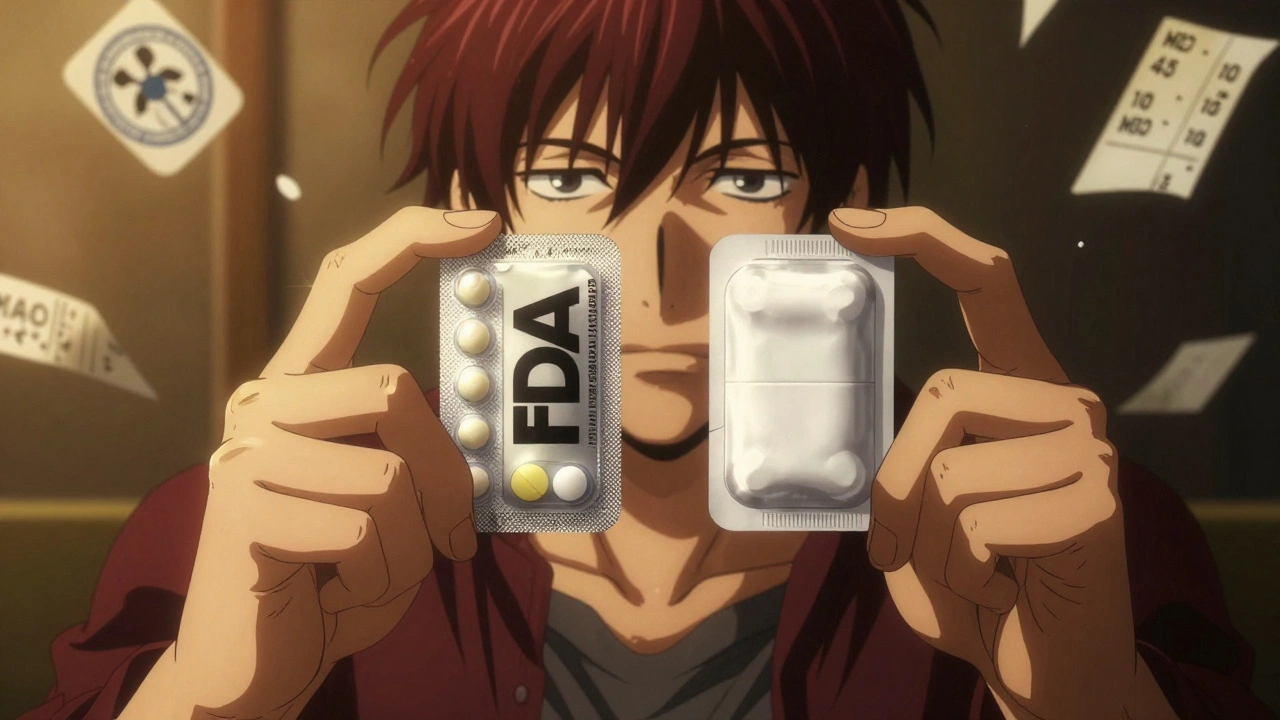
When your doctor prescribes a brand-name drug and you see the price at the pharmacy, it’s easy to feel shocked. A pill that costs $10 one month might jump to $80 the next. That’s not a mistake - it’s how the system works. But there’s a little-known option that gives you the exact same medicine at a fraction of the cost: authorized generics.
What exactly is an authorized generic?
An authorized generic isn’t a copy. It’s the real thing - made by the same company that makes the brand-name drug, in the same factory, with the same ingredients, same packaging (except for the label), and same performance. The only difference? It doesn’t carry the brand name. It’s sold under a private label at generic prices.
Think of it like buying a Coca-Cola bottle with no logo on it. Same recipe, same factory, same taste. You just pay less. The FDA calls these drugs "listed drugs" marketed under the original brand’s approval (NDA), not the generic route (ANDA). That means they skip the bioequivalence tests because they’re not copies - they’re identical twins.
Why do they exist?
Authorized generics emerged after the 1984 Hatch-Waxman Act. That law gave the first generic company 180 days of exclusive rights to sell a generic version after challenging a brand’s patent. But here’s the twist: brand companies started making their own generics to compete during that window. They didn’t wait. They launched their own version - cheaper, identical, and often before the first generic even hit shelves.
It sounds sneaky, and sometimes it is. Critics say it’s a tactic to crush competition. But for patients? It’s a win. When an authorized generic enters the market, prices drop 25-30% faster than if only one generic were available. The FTC found this in 2011 - and data from 2022 confirms it still holds true.
How are they different from regular generics?
This is where things get important - especially if you’re on a drug with a narrow therapeutic index, like warfarin, levothyroxine, or seizure meds.
Regular generics only have to match the brand’s active ingredient. The fillers, dyes, binders, and coatings can change. That’s legal. But those inactive ingredients? They can cause reactions. A 2023 study in US Pharmacist found that 32% of patients reported side effects after switching from brand to traditional generic - mostly due to these hidden differences.
Authorized generics? No changes. Same fillers. Same coating. Same release rate. Same everything. That’s why pharmacists on Reddit’s r/pharmacy say patients on levothyroxine who couldn’t tolerate regular generics often stabilize immediately when switched to the authorized version - with a 70% drop in reported symptoms.
Are they cheaper?
Yes. And not just a little. Authorized generics typically cost 15-20% less than the brand-name version. That’s not a discount - that’s a real price reduction. In markets where both a traditional generic and an authorized generic exist, prices fall even further.
Medicare Part D covers authorized generics at generic copay levels 92% of the time. Commercial insurers? About 78%. That’s better than most traditional generics, which sometimes get stuck in higher tiers.
But here’s the catch: only 15-20% of brand-name drugs have an authorized generic available. It’s not common. You can’t just ask for it - you have to know it exists and ask your pharmacist to check.
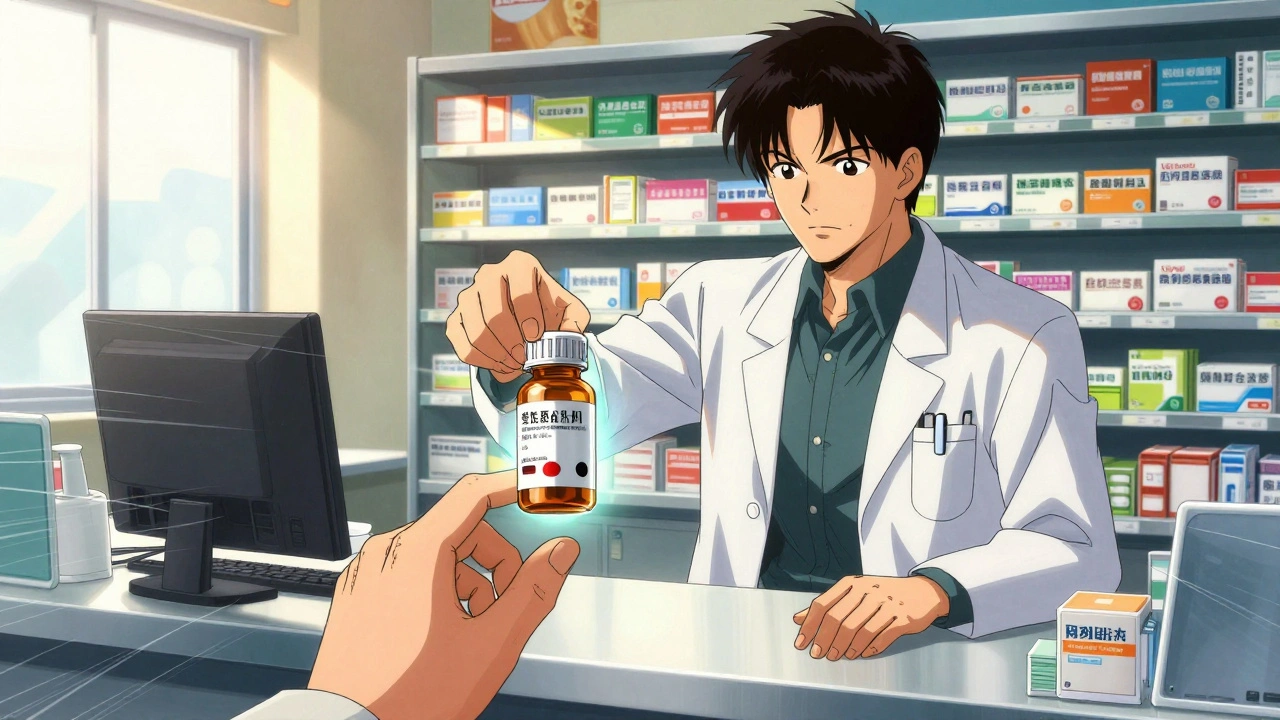
How do you get one?
It’s not automatic. Your prescription might say "brand necessary" or "dispense as written." If it does, you’re out of luck. But if it doesn’t, your pharmacist can substitute.
Here’s what to do:
- Ask your doctor if you can switch from brand to generic. Say: "Is there an authorized generic for this?"
- When you get to the pharmacy, ask the pharmacist: "Is there an authorized generic for this drug?" Don’t say "generic." Say "authorized generic."
- Check the pill. Authorized generics often look almost identical to the brand - same color, same shape - but may have a different imprint code (the letters or numbers on the pill).
- Compare the NDC code on the box. Authorized generics share the same NDC as the brand, just with a different labeler code.
Most chain pharmacies have systems to flag authorized generics. A 2022 APhA survey found 87% of them use NDC cross-referencing to identify them. But not all pharmacists know the difference. Be ready to explain.
What about insurance and coverage?
Most plans treat authorized generics like regular generics. You pay the same copay - often $5 to $15 - instead of $50 or more for the brand. Some insurers even prefer them because they’re cheaper than the brand and just as reliable as generics.
But not all plans are the same. If your insurer denies coverage, ask them why. Sometimes they’ll cover it if you submit a letter from your doctor stating you need the exact formulation.
Why aren’t they more widely known?
Because they’re confusing. Patients often don’t realize they’ve been switched to an authorized generic. A 2022 Kaiser Family Foundation study found 28% of people didn’t know they got one until after they’d already taken it. They panic, thinking their medication changed - even though it didn’t.
And manufacturers don’t advertise them. Why would they? They’re trying to sell the brand-name version. The authorized generic is a quiet backdoor option.
Is it safe?
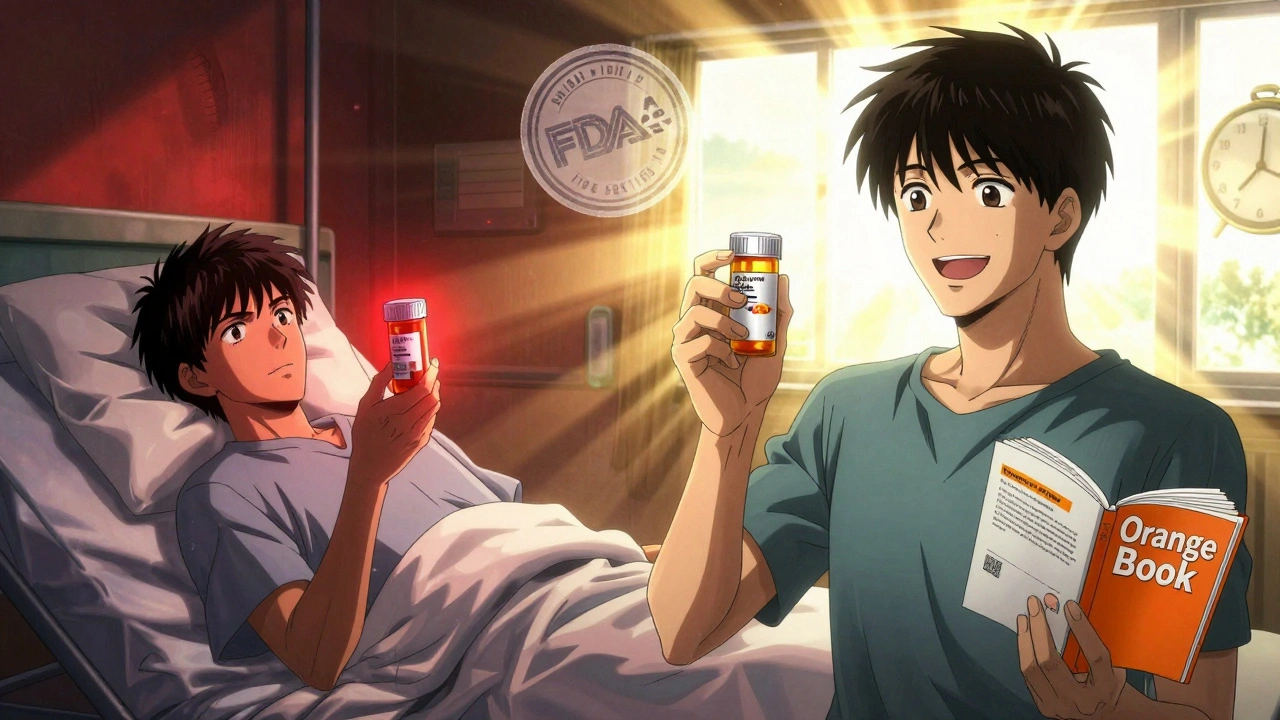
Yes. The FDA says authorized generics are therapeutically equivalent to the brand. They’re not just "close enough." They’re the same drug. No testing needed. No guesswork.
For patients on thyroid meds, blood thinners, or epilepsy drugs, this matters. A tiny change in formulation can cause your levels to swing - and that can be dangerous. Authorized generics eliminate that risk.
What’s changing in 2024?
The FDA is finally making it easier to find authorized generics. Starting in Q2 2024, they’ll add a dedicated section to the Orange Book - the official list of approved drugs - showing which brand-name drugs have authorized versions. Right now, you have to dig through NDC databases or ask your pharmacist.
The Biden administration is also pushing for more transparency. A 2022 executive order called out "anti-competitive" use of authorized generics - especially when they’re launched during a first generic’s 180-day exclusivity period. That might lead to more rules, but it won’t take away the benefit for patients.
Who benefits the most?
Anyone on a high-cost brand-name drug. But especially:
- Patients on narrow therapeutic index drugs (thyroid, anticoagulants, epilepsy)
- People with allergies or sensitivities to fillers in traditional generics
- Those on long-term medications where consistency matters
- Anyone tired of paying $100+ for a 30-day supply
It’s not magic. It’s just the same medicine with a different label. And it’s legal, safe, and approved by the FDA.
Final thought
You don’t have to choose between cost and quality. With authorized generics, you get both. The brand’s reliability, the generic’s price. It’s the best of both worlds - if you know to ask for it.
Next time you refill a prescription, don’t just take what’s handed to you. Ask: "Is there an authorized generic?" It might save you hundreds a year - and maybe even your health.
Are authorized generics the same as brand-name drugs?
Yes. Authorized generics are made by the same company, in the same factory, using the exact same active and inactive ingredients as the brand-name version. The only differences are the label, packaging, and price. They are considered therapeutically equivalent by the FDA.
Why are authorized generics cheaper than brand-name drugs?
They don’t carry the marketing, advertising, and R&D costs of the brand name. The manufacturer saves money by selling under a private label, and those savings are passed on to consumers. They’re priced like generics but match the brand’s formulation exactly.
Can I switch from a brand to an authorized generic without my doctor’s approval?
Yes - if your prescription doesn’t say "dispense as written" or "brand necessary." Pharmacists can substitute authorized generics just like regular generics, as long as the prescriber didn’t block substitution. Always check with your pharmacist to confirm.
Do authorized generics work as well as brand-name drugs?
They work exactly the same. Because they contain identical ingredients and are made under the same approval, there’s no difference in how they’re absorbed, how long they last, or how effective they are. This is especially important for drugs with narrow therapeutic windows.
Why don’t more drugs have authorized generics?
Only about 15-20% of brand-name drugs have an authorized generic version. Manufacturers choose when to launch them - often to compete with first generic entrants or to maintain market control. It’s a business decision, not a medical one.
How do I know if I’m getting an authorized generic?
Check the pill imprint and packaging. Authorized generics often look nearly identical to the brand but may have a different imprint code. Ask your pharmacist to confirm using the NDC code. Some pharmacies will label the bottle or receipt as "authorized generic." If in doubt, call the manufacturer’s customer service line - they can verify.
Angela R. Cartes
December 9, 2025 AT 10:26Ugh another ‘pharma secret’ post 😒 Like I didn’t already know big pharma’s playing 4D chess with our prescriptions. At least they’re not charging $1200 for a pill now. 🙄
Andrea Beilstein
December 10, 2025 AT 21:20It’s funny how we’ve been conditioned to equate branding with quality. The pill doesn’t care if it has a logo or not. It’s just chemistry. But we cry when the bottle looks different. We’re not patients-we’re consumers with identity crises. 🤔
Lisa Whitesel
December 12, 2025 AT 01:53Stop romanticizing corporate strategy. These are predatory tactics disguised as savings. The same company that jacks up prices then offers a ‘cheaper’ version to undercut competitors? That’s not patient care. That’s capitalism with a smiley face.
Larry Lieberman
December 12, 2025 AT 12:21Wait so if I get the authorized generic for my levothyroxine, I’m literally getting the exact same pill but cheaper?? 🤯 That’s wild. I’ve been paying $60/month for this and just assumed generics were ‘close enough.’ Gonna ask my pharmacist tomorrow 😅
Sabrina Thurn
December 14, 2025 AT 03:51Authorized generics represent a critical therapeutic bridge for patients on narrow therapeutic index (NTI) medications. Unlike traditional ANDA generics, which may vary in excipient composition and dissolution profiles, authorized generics are NDA-sourced and maintain pharmacokinetic equivalence. This is particularly salient for anticoagulants, antiepileptics, and thyroid hormone replacement where even minor bioequivalence deviations can trigger clinical instability. Pharmacist-mediated NDC cross-referencing is the most reliable method of identification-automated systems like Medi-Span and First Databank now flag these with >95% accuracy.
Courtney Black
December 15, 2025 AT 19:36It’s not about the pill. It’s about trust. You think you’re getting the same thing? But what if the factory changed the water source? What if the binder was made in a different state? What if the guy who stamped the pill had a bad day? You can’t trust the system. You can’t trust the label. You can’t even trust the color. And now you’re supposed to feel better because it’s cheaper? That’s not medicine. That’s gambling with your life.
iswarya bala
December 17, 2025 AT 16:06OMG this is so helpful!! I never knew this even exsisted 😭 My mom takes thyroid med and always says her energy drops after switchin to generic… maybe this is why!! Gonna tell her right away!! 🙏
Ryan Brady
December 18, 2025 AT 21:37So let me get this straight-American pharma is so corrupt they make their own cheap version to screw over other generics? And you’re praising them for it? We need to ban this. This isn’t capitalism. This is corporate treason.
Raja Herbal
December 18, 2025 AT 21:39Oh so the same company that charges you $80 for a pill now gives you the same pill for $15... and you’re happy? That’s like a thief returning your wallet but keeping your cash and calling it a ‘discount.’
Iris Carmen
December 19, 2025 AT 21:47my pharmacist gave me the authorized generic last month and i didnt even notice til i checked the pill. same shape same color same everything. just no logo. saved me $40. chill af.
Rich Paul
December 20, 2025 AT 08:19lol you guys are overthinking this. authorized generic = same drug, same factory, same everything. just no marketing budget. if you’re worried about fillers, go check the NDC on the box-pharma’s gotta list every excipient. the FDA doesn’t sleep. you think they’d let some sketchy filler in a drug they approved under an NDA? nah. just ask your doc to write ‘substitution allowed’ and chill. your wallet will thank you. 🤑